
Is TikTok shaping culture more than TV, radio, or magazines ever did?
It runs on sounds, duets, stitches, and lightning-fast trend cycles, with about 75% of users remixing or resharing content so ideas spread by participation, not follower counts.
This post breaks down how trends form, why niche communities like BookTok matter, and how the For You feed and remix tools create the platform’s social rules.
Read on to learn the norms, the creative moves that win, and what to watch next.
Understanding the Core Elements That Shape TikTok Culture
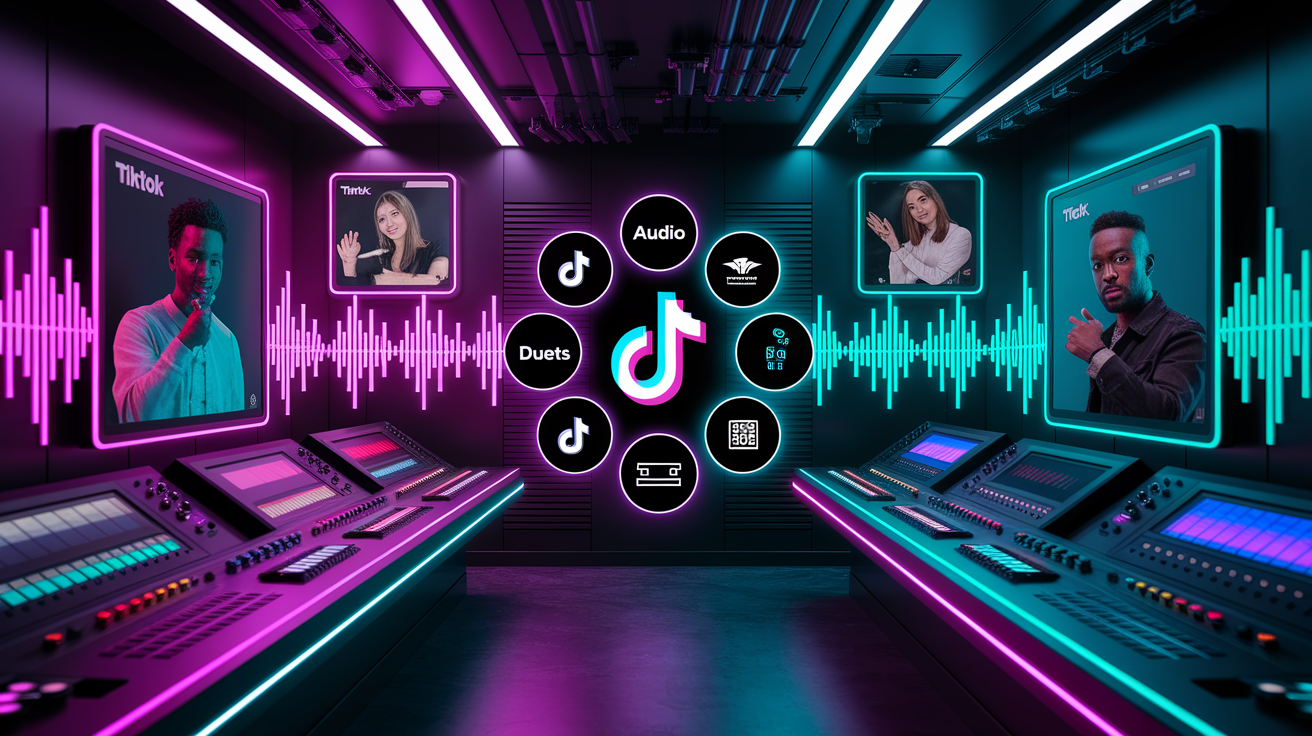
TikTok runs on audio-driven memes, trend cycles that move fast, and creative formats built for remixing. Content doesn’t spread the way it does on platforms where your follower count matters most. Here, it’s about reusable sounds, challenges, and videos that anyone can rework and make their own. About 75% of users recreate or reshare videos using remix tools. Trends don’t go viral through passive shares. They multiply because people jump in.
Most trends peak in days, maybe a couple weeks. That’s it. Speed, timing, and how quickly you can iterate on an idea—that’s what gets rewarded.
The For You feed runs on a personalized recommendation system that decides what gets seen. It cares about watch completion, rewatch rate, and engagement way more than how many followers you’ve got. So niche content can blow up overnight. A trending sound or format can connect millions of creators who’ve never heard of each other.
User participation sets the tone more than any one creator or brand. When a sound goes viral, hundreds of thousands of people make their own version. Each one adds a twist, a joke, a new aesthetic. That’s how trends extend and become collective moments. The platform wants you to engage, remix, and be relatable. The best content invites people to participate, not just watch.
What drives TikTok culture:
- Audio reuse – Songs, soundbites, voiceovers work like reusable memes. They tie thousands of videos together and make trends instantly recognizable.
- Remix tools (duet and stitch) – These let creators respond to existing videos, building collaborative threads and layered content chains.
- Fast trend lifecycles – Viral moments peak fast. Days, not weeks. There’s urgency baked in.
- Participatory challenges – Hashtag challenges and choreography prompts get mass replication and community engagement.
- Short‑form creative pacing – Videos are 15–60 seconds. Ideas spread faster. Hook-driven storytelling wins.
Viral Trends and Short‑Form Aesthetics Within TikTok Culture

The viral landscape here covers a lot. Dance challenges and choreography are foundational. They’re anchored to trending sounds and replicated by thousands within hours. Comedy sketches and punchline edits rely on tight timing. POV micro-stories use first-person framing to feel relatable or aspirational. Educational hacks thrive in niche verticals. Product reviews and unboxings drive commerce conversations. Niche subcultures like BookTok, StudyTok, Cottagecore build tight communities around shared aesthetics, and they often spill into mainstream awareness.
Gen-Z humor is ironic, self-deprecating, surreal. Edits move fast. Meta-memes layer references on top of references. The platform rewards absurdism and non-sequitur humor where the joke depends on shared context or understanding prior trends. Audio plays a central role. Trending sounds work like scaffolding for countless variations. The same song or voiceover can anchor wildly different content types. That audio-centric structure makes it easy to join trends without high production value, as long as you understand the cultural moment and deliver a fresh take.
Common trend categories:
- Dance and choreography tied to trending music
- Comedy sketches with fast edits and punchline timing
- POV narratives and first-person storytelling
- Educational content and life hacks packaged for quick consumption
- Product reviews, unboxings, commerce-driven content
- Niche subculture aesthetics like BookTok, Cottagecore, StudyTok
How TikTok’s Algorithm and For You Page Drive Cultural Behavior
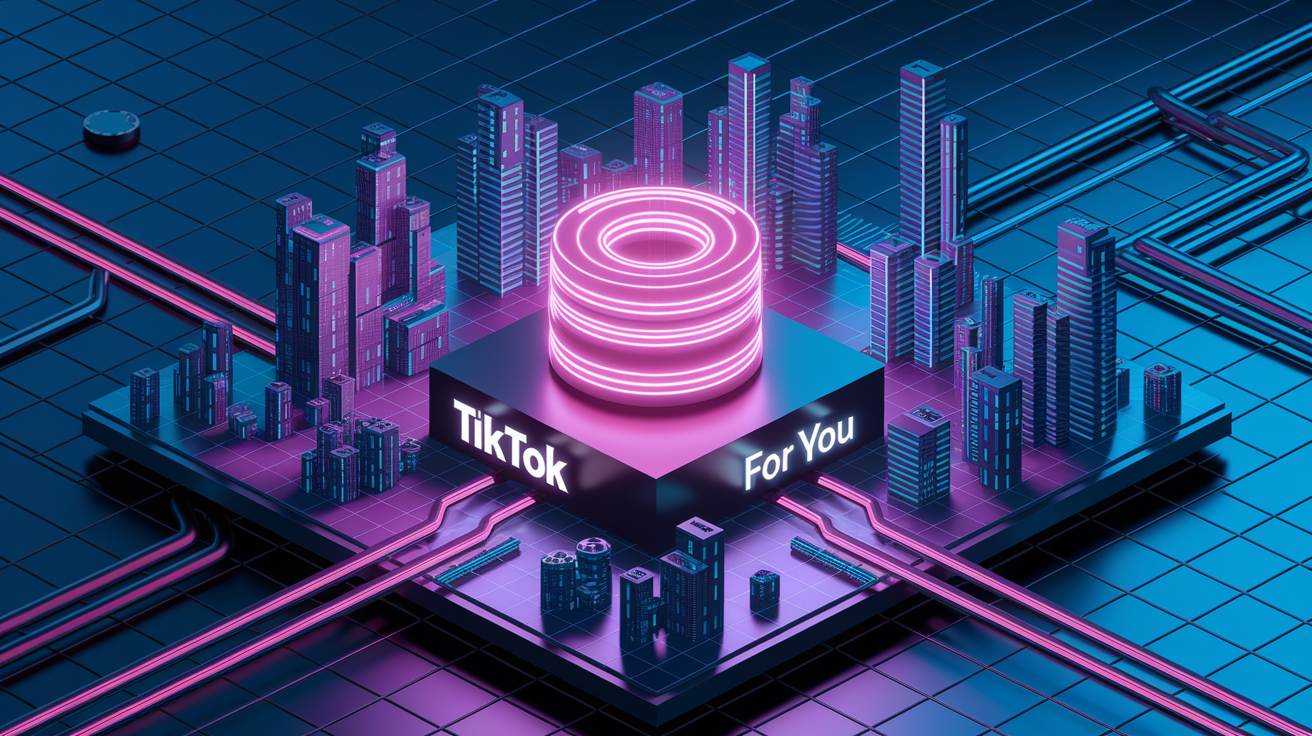
The For You feed accounts for around 70% of user time on the platform. It’s the cultural engine. It decides what gets seen, what trends gain momentum. The recommendation system is hyper-personalized. It uses signals like watch completion, rewatch rate, engagement (likes, comments, shares), and sound usage to surface content tailored to each user’s interests. There’s no single path to the For You feed. Content has to earn visibility by resonating with viewers and holding their attention. The algorithm learns from micro-behaviors constantly, adjusting recommendations in real time. It surfaces niche content to mainstream audiences faster than any follower-based social graph could.
This structure has reshaped cultural behavior. Creators hook you in the first 1–3 seconds to stop the scroll. They design loopable videos that encourage rewatches. They use trending sounds or hashtags to signal relevance to the recommendation system. It’s a creative culture that cares more about engagement signals than follower count or brand recognition. Unknown creators can go viral overnight because the algorithm rewards content quality and relevance, not existing social capital. That democratized discovery accelerates trend diffusion and lets subcultures scale fast once the algorithm identifies broader interest.
The recommendation system also shapes how trends evolve and how creators adapt. Niche content that performs well with a small audience can gradually get introduced to wider groups. That creates a layered diffusion pattern where trends build momentum organically. Creators who get these signals design content that invites participation, uses trending audio, and creates rewatch value through humor, surprise, or loopable edits. The platform rewards what keeps users engaged, which shapes the aesthetic and pacing norms that define TikTok culture.
| Signal | Meaning | Cultural Effect |
|---|---|---|
| Watch completion | Percentage of video watched before scrolling | Drives short, punchy formats and front-loaded hooks |
| Rewatch rate | How often users replay the same video | Encourages loopable edits, surprise endings, layered humor |
| Engagement actions | Likes, comments, shares, duets | Rewards participatory content and remix-friendly formats |
| Sound usage | Use of trending or popular audio | Amplifies trend participation and audio-driven meme cycles |
Remix Culture: Audio, Duets, Stitches, and Participatory Creation

Audio on TikTok functions as a reusable meme layer. A single song, soundbite, or voiceover can anchor thousands of derivative videos. When a sound trends, it acts as cultural shorthand. Users instantly recognize the reference and understand the format. Makes it easier to jump in with their own version. This audio-centric structure accelerates trend spread because creators don’t need to explain the premise. The sound itself carries the context. Remix behavior is deeply embedded in platform culture. Around 75% of users recreate or reshare videos using TikTok’s native tools. Participation is the default mode of engagement, not passive consumption.
Duet and stitch features formalize this remix culture by enabling direct, visible responses to existing content. Duets place two videos side by side. Creators can react, collaborate, or add commentary in real time. Stitches let you clip a portion of another video and build on it with your own footage. These create layered threads of content that branch outward from a single source. They turn individual videos into conversation starters and collaborative prompts, which extends trend lifecycles and builds multi-layered cultural moments. A single viral video can spawn hundreds of duets and stitches, each adding a new perspective, joke, or aesthetic twist.
How Remix Tools Accelerate Trend Cycles
Duets and stitches speed up trend cycles by lowering the barrier to participation and making collaboration visible and trackable. When you stitch or duet a video, you’re not just sharing it. You’re adding to it. That keeps the original trend alive and introduces it to new audiences. This branching structure creates cultural threads that evolve over time. Each iteration adds new layers of humor, critique, creativity. A dance challenge might start as a single choreography video, then spawn duets from creators adding their own style, then stitches from people reacting to the best versions, then meta-commentary videos analyzing why the trend worked. These remix tools turn content into a participatory network rather than a one-way broadcast. That’s why TikTok trends feel more like cultural moments built by communities rather than individual creators.
Influencer Ecosystems and the Creator Economy Shaping TikTok Culture

TikTok’s creator economy runs on algorithmic reach, not follower count. Micro-influencers and niche creators can build serious cultural influence without millions of followers. This democratized visibility has reshaped influencer dynamics. Success gets measured by engagement, trend participation, and content resonance rather than traditional metrics like audience size or brand partnerships. Creators who understand platform norms, use trending sounds well, and design remix-friendly content can reach massive audiences quickly. Even if they started with zero followers. That’s created a more fluid influencer ecosystem where cultural influence is earned through creativity and timing, not accumulated social capital.
Monetization pathways reflect this shift. Creators combine multiple revenue streams to build sustainable income. Brand partnerships remain primary, but they’ve evolved to favor authentic, platform-native content over polished ads. Brands like Levi’s use shoppable ads that feel native to the platform. The Washington Post leans into behind-the-scenes humor and self-aware comedy. The NBA has built a consistent presence with themed content that mirrors TikTok’s fast-paced, meme-friendly style. These examples show how brands adapt to TikTok culture rather than trying to impose external marketing norms.
Community-led micro-influencers drive niche trends that often scale to mainstream visibility. A creator focused on cooking hacks, micro-fashion, or niche fandom content can build a dedicated audience that amplifies their content through remixes, duets, shares. These tight-knit communities act as cultural incubators, testing and refining ideas before they reach the For You pages of broader audiences. This bottom-up trend formation is central to TikTok culture. It explains why platform-native creators often have more influence than traditional celebrities or large brands.
Common monetization pathways:
- Brand partnerships and sponsored content designed for platform-native formats
- Creator fund payments based on video performance and engagement
- Live-stream gifts and tips from viewers during live broadcasts
- Commerce integrations and affiliate links tied to product reviews or unboxings
- Cross-platform monetization by driving TikTok audiences to YouTube, Patreon, or merchandise stores
Platform Etiquette, Norms, and Safety Within TikTok Culture

TikTok culture gets governed by platform guidelines and community-enforced norms that shape how creators interact, credit others, and participate in trends. Crediting original audio and creators is widely observed. When someone remixes a sound or builds on another creator’s concept, the platform automatically links back to the original source through the audio credit or stitch/duet feature. That transparency creates accountability and helps trends remain traceable. Though disputes over credit and originality still come up, especially when ideas cross platforms or when larger creators remix content from smaller ones without acknowledgment.
Duet and stitch conventions carry implicit etiquette rules around consent and context. Both tools are opt-in (creators can disable them), but using them respectfully means understanding when a duet or stitch adds value versus when it might feel intrusive or mocking. The community polices bad-faith uses. If you use a stitch to ridicule or harass another user, backlash usually follows. Safety is another major concern, particularly around viral challenges that involve physical risk. The platform and community both work to flag and discourage dangerous challenges, though enforcement stays inconsistent. Creators who promote risky trends face criticism from both users and platform moderators. Many high-profile challenges now come with safety warnings or content removals. These norms reflect a cultural tension between creativity, participation, and responsibility, with the community playing an active role in shaping acceptable behavior.
Authenticity, Identity, and Self‑Expression Across TikTok Culture
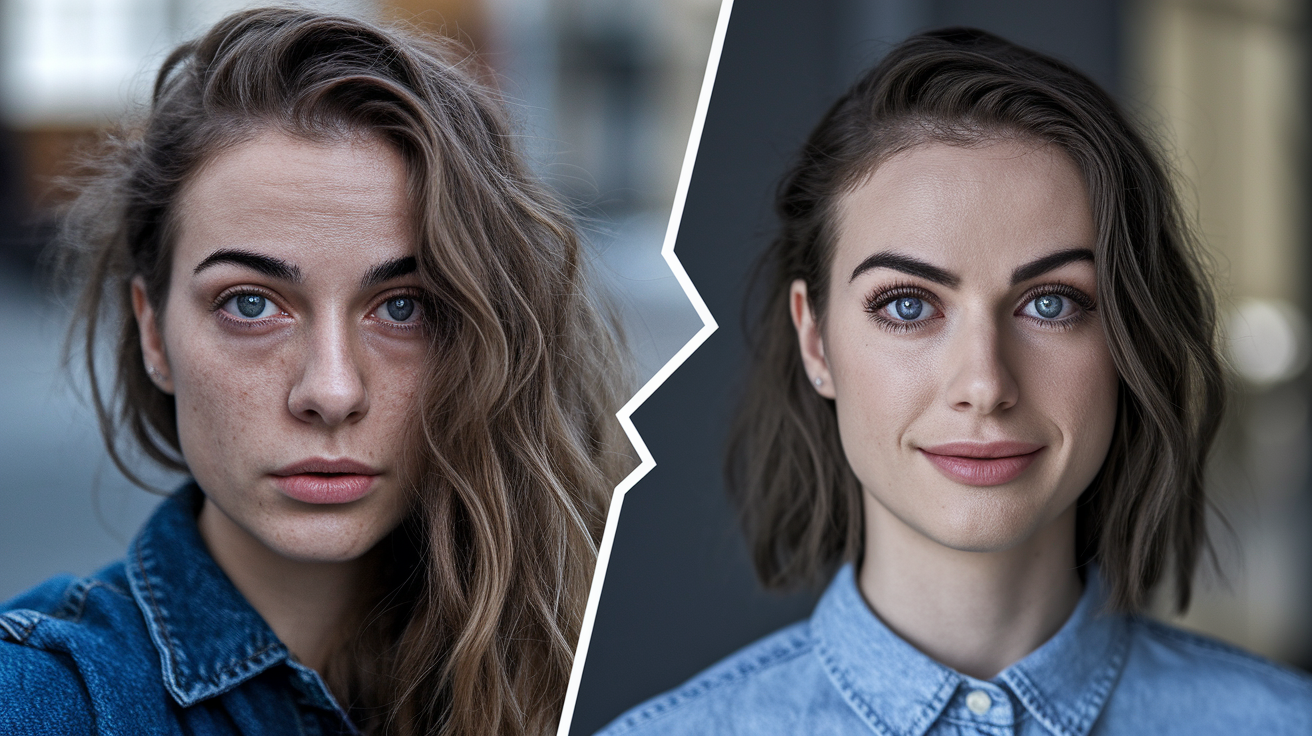
Authenticity is one of TikTok’s defining cultural values. Raw, unpolished content often outperforms highly produced videos. Users reward relatability over perfection. They favor candid speech, self-deprecating humor, behind-the-scenes glimpses that feel spontaneous and human. This authenticity preference shapes how identity gets expressed on the platform. Creators build followings by sharing micro-narratives, POV formats, and personal stories that invite emotional connection. Platform-native humor leans into imperfection. Creators often highlight awkward moments, unfiltered reactions, or low-stakes failures as a way to signal relatability and resist the curated aesthetics dominant on Instagram or YouTube.
This cultural norm creates a trade-off between production value and perceived authenticity. High-polish content can succeed, especially in aspirational niches like fashion, travel, beauty. But it still has to feel human and accessible rather than overly staged or brand-driven. Creators who lean too heavily into polished aesthetics risk being labeled “tryhard” or inauthentic, which can limit engagement. Successful high-production content usually incorporates elements of spontaneity, humor, or self-awareness to balance polish with platform norms. This tension between raw and refined content is constantly negotiated within TikTok culture, with different subcultures favoring different points on the spectrum.
Identity expression on TikTok is performative but also deeply personal. Users build personas through repeated formats, signature sounds, community-specific slang. That creates recognizable identities that followers can track across videos. POV formats allow creators to inhabit different perspectives or roles, blurring the line between performance and personal expression. Community norms around authenticity reward vulnerability and self-disclosure, but they also create pressure to perform relatability in ways that can feel exhausting or inauthentic. This duality (between genuine self-expression and performative identity) is a core tension within TikTok culture.
Why Raw Content Outperforms Polished Aesthetics
Raw content succeeds on TikTok because it signals accessibility and invites participation. When a video feels spontaneous or low-effort, it lowers the perceived barrier for others to join the trend or create their own version. Overproduced content can feel distant or unattainable, which works against the remix-friendly, participatory norms that define the platform. Relatability is more valuable than perfection. Users want to see themselves reflected in the content they watch. Raw formats make that reflection easier. That’s why bedroom-filmed vlogs, unfiltered reactions, and casual storytelling often generate more engagement than heavily edited, brand-style videos. The platform rewards content that feels like it was made by a friend, not a production team.
How TikTok Culture Shapes Music, Fashion, News, and Mainstream Trends

TikTok’s cultural influence stretches far beyond the platform. It drives music chart surges, fashion trends, product sales spikes, and meme migration across mainstream media. Songs that go viral on TikTok (often older tracks rediscovered through trending sounds) frequently re-enter streaming charts and radio playlists. That’s reshaped how the music industry measures success. Fashion brands and retailers track TikTok trends to predict demand. Viral products like specific sneakers, makeup items, or clothing styles sell out within days of gaining traction on the For You feed. This rapid trend-to-commerce cycle has made TikTok critical for brands trying to reach younger consumers and stay culturally relevant.
Mainstream media and entertainment increasingly adopt TikTok-native formats, optimizing content for short hooks, visual captions, and mobile-first delivery. News organizations like The Washington Post use TikTok to reach audiences who don’t consume traditional news. They lean into humor, self-awareness, behind-the-scenes content to build trust and engagement. Sports leagues like the NBA create themed content that mirrors TikTok’s fast-paced, meme-friendly style. They use trending sounds and remix-friendly formats to stay visible within the cultural conversation. This cross-platform migration shows how TikTok culture has redefined content expectations across industries. Brevity, relatability, and remixability have become core requirements for mainstream success.
TikTok’s influence on mainstream culture includes:
- Music chart resurgences driven by trending sounds and audio reuse
- Fashion and beauty trends that move from niche creators to mass retail
- Viral product sales spikes triggered by creator reviews or unboxing videos
- Meme and slang migration from TikTok to other platforms and traditional media
- News and entertainment formats optimized for short-form, mobile-first delivery
- Commerce integrations that turn cultural moments into direct purchasing behavior
Generational Dynamics and Demographic Behaviors Within TikTok Culture
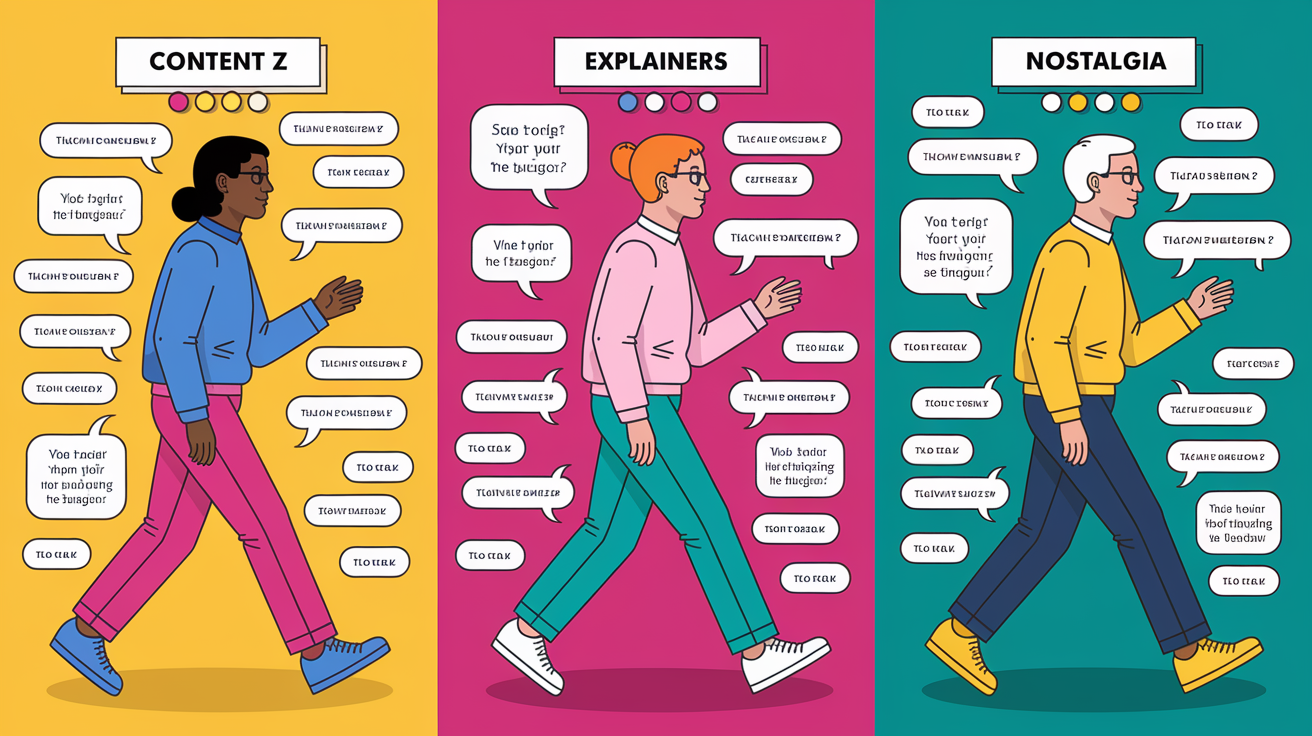
TikTok’s user base skews younger. Teens and early 20s lead trend creation, humor norms, participatory challenges. Gen Z dominates the platform’s cultural output, shaping the ironic, fast-paced, meme-native aesthetic that defines TikTok’s identity. But Millennials represent a significant and growing portion of users in many regions, often engaging with different content types and formats. While Gen Z creators favor participatory humor, rapid edits, and trend-driven content, older users tend to gravitate toward explainer videos, nostalgia content, and longer-form storytelling that offers more context and slower pacing.
These generational differences create distinct content ecosystems within the same platform. Gen Z users are more likely to create and remix content. Older demographics often consume trends without actively participating. This behavioral split shapes how trends spread. Gen Z drives initial virality through mass participation. Older users amplify trends through passive sharing and cross-platform reposting. The platform’s algorithm surfaces different content to different age cohorts. That means TikTok culture isn’t monolithic. It’s a collection of overlapping subcultures shaped by age, geography, and interest.
Workplace Culture at TikTok: ByteStyle, Employee Life, and Global Offices
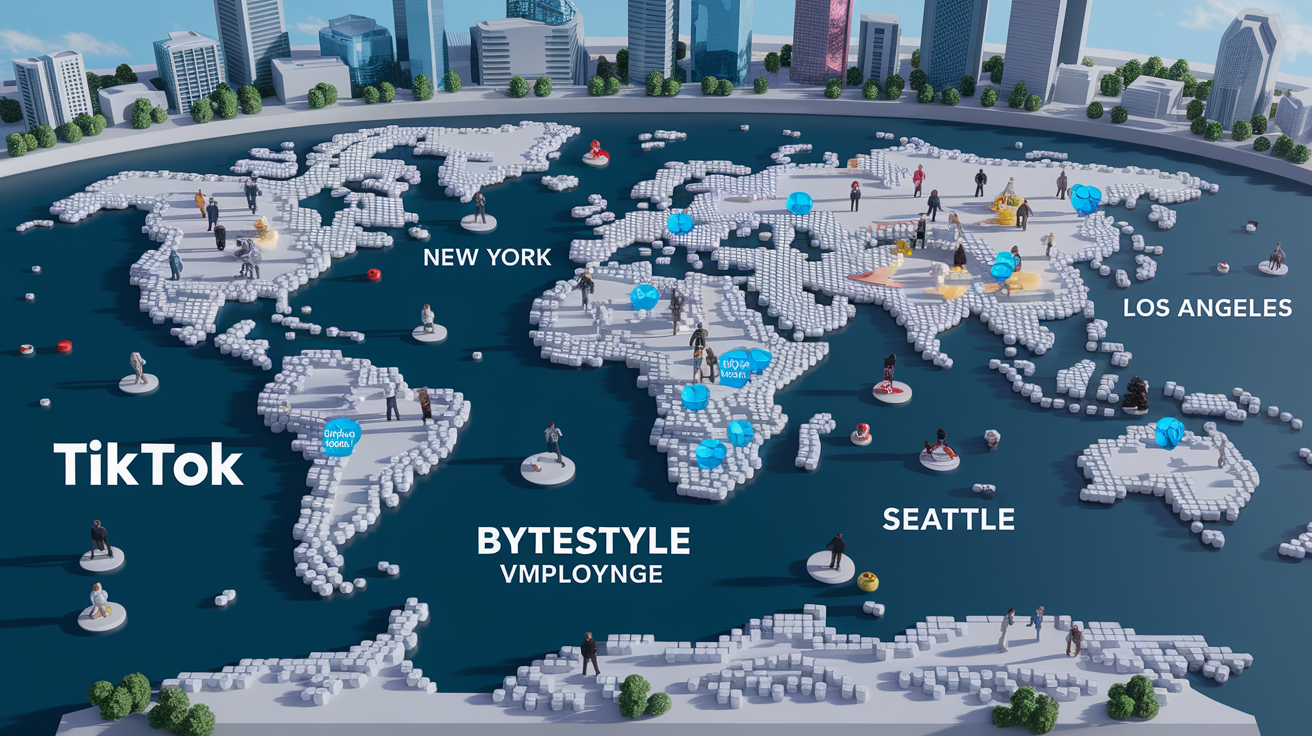
While TikTok’s platform culture runs on viral trends and user participation, the company’s workplace culture operates under a different set of values and norms. ByteStyle, TikTok’s internal value system, emphasizes principles like “Be candid and clear,” “Seek truth,” and maintaining a “day 1” mindset that encourages innovation and agility. These values shape how the company approaches product development, content moderation, and global expansion. Employee spotlights highlight a diverse range of roles and regions: recruiting, social media leadership for Latin America, an NYC intern, a Los Angeles user-support agent, a Seattle-based software engineer. These stories illustrate the variety of functions that support TikTok’s platform and underscore the company’s emphasis on real-impact work across multiple office locations.
TikTok operates offices in at least four key regions: New York City, Los Angeles, Seattle, and Latin America. This global footprint reflects the platform’s international reach and the need for localized teams that understand regional trends, content norms, and regulatory environments. The company frames its workplace culture as accessible and pragmatic, with benefits designed to support employee well-being, work-life balance, and professional development. But benefits vary significantly by location due to local regulations and market practices. Employees get told that offerings may change over time.
The company’s benefits structure is organized around several broad themes, with specific programs tailored to regional needs and legal requirements. Employee resource groups, team-building activities, and language-learning programs reflect the company’s focus on community and cross-cultural collaboration. Practical workplace services like meals and transport benefits aim to reduce friction and support productivity. Leave policies and wellness programs address longer-term health and family needs.
| Benefit Category | Examples | Notes |
|---|---|---|
| Health & Protection | Healthcare, risk insurance, wellness programs, employee assistance program | Varies by location and regulatory requirements |
| Leave Policies | Paid holidays, annual leave/vacation, paid sick time, parental leaves | Subject to local labor laws and market practice |
| Work-Life Efficiency | Meals provided, transport benefits, practical workplace services | Designed to reduce daily friction and support productivity |
| Retirement & Financial | Retirement benefits | Availability and structure depend on regional regulations |
| Culture & Development | Employee resource groups (ERG), team building, language learning | Focus on community, collaboration, skill development |
Final Words
TikTok culture moves at breakneck speed: audio-driven memes, duet and stitch remixes, fast trend cycles, and creators who turn micro-moments into mainstream moments.
We showed how the For You feed, creator monetization, raw authenticity, and niche aesthetics all push trends into music, fashion, and news, often within days.
If you want to stay tapped in, watch sounds and remixes, follow micro-influencers, and try participatory trends, tiktok culture rewards experiments, so jump in with curiosity. It’s where fresh ideas spread fast, and that’s exciting.
FAQ
Q: What is TikTok culture like?
A: TikTok culture is audio-driven, fast-moving short-form creativity where sounds, remixes, duets, and viral challenges spread quickly. Users remix trends constantly and the algorithm pushes participatory, meme-like content into mainstream attention.
Q: How many TikTok followers do I need to make $2000 a month?
A: The number of TikTok followers you need to earn $2,000 monthly depends on engagement and income mix; roughly 50k to 200k followers can land brand deals that reach that level, while creator fund pay may require millions.
Q: Is Hozier on TikTok?
A: Hozier is on TikTok; he maintains an official account posting music clips and behind-the-scenes content. Look for the verified badge on his profile to confirm authenticity.
Q: What are the core values of TikTok?
A: TikTok’s core values emphasize creativity, remixability, authenticity, and participatory sharing, while its workplace “ByteStyle” highlights being candid and clear, seeking truth, and keeping a “day 1” startup mindset.