
Are pop culture allusions lazy shortcuts or secret social glue that say way more than a paragraph?
They’re quick nods to movies, songs, memes, or TikTok sounds that make readers feel seen fast.
Used well, they save space, spark laughs or nostalgia, and show you’re in the same cultural room.
This piece breaks down what modern pop allusions look like, gives clear examples across film, music, and memes, and shows how to drop them so your writing connects instead of confusing.
Core Understanding of Modern Pop Culture Allusions

A pop culture allusion is just a quick reference to something everyone already knows. Movies, celebrities, memes, TikTok sounds, whatever’s circulating right now. You drop the reference and move on, no explanation needed. When someone says “the green light” or “On Wednesdays we wear pink,” they’re counting on you to get it instantly. The whole thing works because we’ve all been consuming the same media feeds, watching the same shows, scrolling the same platforms. That shared knowledge is the fuel.
These allusions show up everywhere. Stranger Things pulls straight from 1980s Spielberg movies and Stephen King novels. Ready Player One stuffs every scene with video game cameos and cinema callbacks. Taylor Swift sings about Gatsby’s green light. Lana Del Rey quotes Walt Whitman. Memes like Distracted Boyfriend become templates for any situation involving split loyalties. TikTok trends can turn into cultural shorthand overnight, faster than anyone can keep track.
Why bother? Because they save time and create connection. Calling someone “a Peter Pan” tells you everything about their refusal to grow up without writing a paragraph. Allusions generate humor when you layer a familiar reference over something new, making the contrast do the work. They trigger nostalgia, especially when pulling from childhood TV or formative music moments. And using the right reference at the right time signals you’re fluent in the same culture as your audience.
Signals that tip you off to a pop culture allusion:
- Named entities like film titles, song names, celebrity names, brand names
- Familiar quotes or catchphrases, sometimes tweaked slightly
- Visual motifs that mirror known media scenes or costumes
- Meme templates used as stand-ins for complex ideas
- Platform trends like hashtags or viral audio clips
The Role of Pop Culture Allusions in Contemporary Media

Film and TV lean hard on these references. Stranger Things is basically a love letter to 1980s movies, echoing E.T. and The Goonies to summon a specific era’s vibe. Ready Player One goes all in, cramming frames with cameos from decades of games and films. Even animated stuff aimed at kids packs in literary nods. One documented animation post lists at least eight distinct references tied to National Book Lover’s Day. Sitcoms like The Simpsons and Family Guy built entire brands on rapid celebrity parodies and cutaway gags that assume you’ll recognize the original.
Music does this constantly. A documented list of 20 pop songs shows how often artists reference classic texts. Harry Styles’ “Matilda” nods to Roald Dahl. Kendrick Lamar’s To Pimp a Butterfly echoes Harper Lee. Kate Bush’s “Wuthering Heights” adapts Emily Brontë directly. Taylor Swift sings “You were Romeo you were throwing pebbles / And my daddy said stay away from Juliet,” and you instantly understand the forbidden love setup without needing backstory.
Memes and video games created entirely new reference systems. Internet meme templates compress whole narratives into a single image. Distracted Boyfriend now works as shorthand for conflicting priorities in any context, miles beyond its original stock photo purpose. Video games hide Easter eggs as rewards for players who catch the nods to earlier games, films, or internet culture. Recognition itself becomes a form of participation.
Differentiating Pop Culture Allusions from Classical and Literary Allusions

Pop culture allusions burn fast. A TikTok trend can become a reference point for millions in days, then vanish in months when the next thing hits. Classical allusions pull from stable sources like Shakespeare, Greek mythology, biblical stories, Romantic poets. These remain recognizable across generations. A writer invoking Hamlet’s indecision can expect readers in 2025 and 2050 to understand it. A 2024 meme reference might puzzle people a year later.
Classical allusions also carry different baggage. Referencing Gatsby’s green light signals literary tradition and often assumes formal education. Pop allusions signal you’re plugged into current media ecosystems. The scraped song list shows the crossover. Taylor Swift’s “happiness” uses Gatsby’s green light, blending literary imagery with pop songwriting. Her “Love Story” flips Romeo and Juliet into a happier ending. Both work, but they target different kinds of shared knowledge.
| Type | Typical Sources | Longevity |
|---|---|---|
| Pop culture allusions | Contemporary films, TV, music, memes, celebrities, viral trends, social platforms | Short. Months to a few years, rapid obsolescence as trends shift |
| Classical allusions | Canonical literature, mythology, religious texts, historical figures, philosophical works | Long. Decades to centuries, stable recognition across generations |
| Hybrid allusions | Modern works referencing enduring stories (adaptations of Shakespeare, remixed myths) | Medium. Recognition depends on both source familiarity and contemporary framing |
Practical Examples of Pop Culture Allusions Across Platforms

Film allusions show up as visual homages or narrative echoes that reward viewers who catch them. Stranger Things layers its 1980s vibe with direct callbacks to Spielberg’s suburban adventures and Stephen King’s small town horror, building nostalgia into every set choice and character arc. Ready Player One does the opposite, flooding the screen with explicit cameos from decades of gaming, anime, blockbuster cinema. Recognition becomes the main pleasure. Animated works pack in literary and cinematic nods too. Documented examples include at least eight distinct literary allusions in a single animation post tied to National Book Lover’s Day.
TV sitcoms turned the pop culture allusion into a signature move. The Simpsons and Family Guy run on rapid cutaways and celebrity parodies that assume you’ll recognize the original context. Political figures, classic film scenes, whatever. The references function as humor and cultural commentary at the same time, using shared knowledge to create irony or satire. Even a single line can become an enduring allusion. Mean Girls gave the internet “On Wednesdays we wear pink,” now used as shorthand for in-group rules and performative identity way beyond the original high school clique.
Music allusions range from subtle lyric nods to full concept albums built around literary sources. Halsey’s hopeless fountain kingdom reimagines Romeo and Juliet as modern pop. Individual songs like Harry Styles’ “Matilda” reference Roald Dahl. Taylor Swift’s “the lakes” namechecks William Wordsworth with the line “Tell me what are my words worth.” These references add emotional depth, connecting three minute tracks to centuries of storytelling.
Memes compress entire cultural moments into reusable visual templates. The Distracted Boyfriend image now functions as standalone shorthand for conflicting priorities, applicable to everything from consumer choices to political splits. Meme allusions rely on immediate visual recognition and platform literacy. Knowing the template means understanding both the original joke and the endless remixes that followed.
Six iconic pop culture allusion examples:
- Mean Girls: “On Wednesdays we wear pink.” Shorthand for group conformity and performative identity
- Distracted Boyfriend meme. Visual metaphor for divided attention
- Stranger Things’ 1980s motifs. Echoes of Spielberg, Stephen King, arcade culture
- Ready Player One’s cameo references. Visual Easter eggs spanning gaming, film, internet culture
- The Simpsons’ celebrity cutaways. Rapid parody relying on instant recognition
- Animation literary nods. At least eight allusions documented in works tied to National Book Lover’s Day
Using Pop Culture Allusions Effectively in Writing and Communication
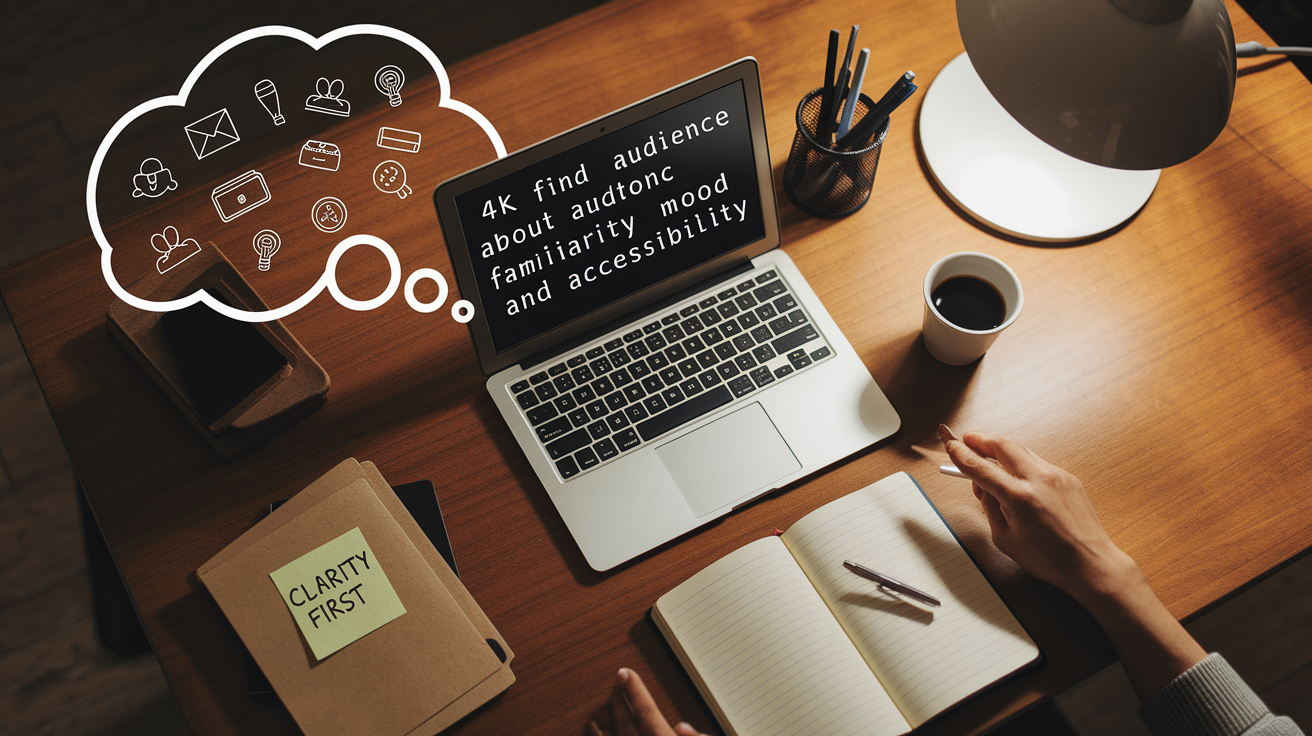
Start by knowing what your audience actually recognizes. Before dropping a reference to a 2010s indie film or a niche TikTok trend, test whether your readers or listeners share that knowledge. Age, geography, subculture all shape what counts as common. A Gen Z reader might instantly recognize a viral sound while an older audience misses it completely. The reverse is equally true. Referencing a 1990s sitcom catchphrase might land with millennials but confuse younger readers. Writers who skip this check risk either alienating people who don’t get the reference or appearing out of touch. When audience familiarity is uncertain, provide minimal scaffolding. A brief cue or descriptive clause that preserves meaning even if the allusion itself is missed.
Clarity beats cleverness. Allusions should add layers or save words, not create barriers. If a reference requires a full paragraph of explanation, it failed as shorthand. Cut it or replace it with something more widely recognized. When an allusion works, it carries humor, irony, or emotional weight in just a few words. Calling someone “a Romeo” instantly conveys romantic impulsiveness without further description. But overusing allusions can crowd meaning and frustrate readers who feel locked out. Use references strategically, not to show off cultural fluency.
Risks include dating your text quickly, alienating diverse audiences, misinterpreting cultural weight. Pop culture references lose relevance faster than classical allusions. A piece written in 2024 that leans heavily on that year’s memes may feel obscure by 2026. Regional and cross-cultural differences matter too. A reference that works in one country may be invisible in another. Contemporary references often carry unintended political or social baggage, especially when touching on marginalized groups or sensitive events. Writers need to check not just whether an audience will recognize a reference, but whether it carries connotations they didn’t intend.
Six steps for crafting effective pop culture allusions:
- Pick a source your target audience is likely to recognize, testing across age and demographic segments
- Run a quick reader check. Ask whether someone unfamiliar with the reference can still follow your point
- Add a clarity hint if needed, like a brief descriptive phrase or parenthetical cue
- Match the allusion’s tone to your piece. Serious references for formal contexts, playful ones for lighter work
- Do a longevity check. Decide if the reference will still make sense in a year, or if you’re writing for immediate impact
- Review for cultural sensitivity. Make sure the reference doesn’t inadvertently mock, misrepresent, or exclude
Classroom and Educational Approaches to Teaching Pop Culture Allusions

Pop culture allusions offer a practical way into teaching cultural literacy and how texts talk to each other. Students already consume media saturated with references. TikTok sounds, meme templates, TV callbacks, music lyrics that nod to literature or history. By naming these as allusions and breaking down how they work, educators connect abstract literary concepts to the media students engage with daily. This approach shows that the same devices used in canonical texts also shape contemporary entertainment. Teaching allusions builds critical thinking too. Students learn to ask where a reference comes from, what it adds to the new context, who gets included or excluded by its use.
Documented examples provide ready teaching material. An animation post listing at least eight distinct literary allusions tied to National Book Lover’s Day gives educators a concrete thing to analyze with students, pairing each allusion with its source text and discussing why the animators chose it. The 20 song list documented in scraped content offers another resource. Students can compare how Taylor Swift references Gatsby in “happiness,” how Kate Bush adapts Wuthering Heights, how Kendrick Lamar’s To Pimp a Butterfly echoes Harper Lee. These exercises move beyond passive consumption, asking students to trace the original work, identify the parallel, evaluate whether the allusion enriches the new piece or just name drops for credibility.
Five classroom activities for teaching pop culture allusions:
- Identification quiz. Present students with song lyrics, meme captions, or film scenes and ask them to name the referenced source and explain the connection
- Lyric and text pairing. Give students a pop song that references literature (like Harry Styles’ “Matilda”) alongside the original Roald Dahl text, then compare themes and character parallels
- Rewrite tasks. Assign students to replace a modern pop allusion in a text with a classical one, then discuss how the tone and accessibility shift
- Meme origin analysis. Trace a viral meme template back to its source, then examine how its meaning evolved through remixes and cross-platform sharing
- Cross-media comparison. Contrast a literary allusion in a novel with a pop culture allusion in a TV show, asking students to evaluate longevity, audience, effectiveness
Ethical, Legal, and Cultural Considerations When Using Pop Culture Allusions
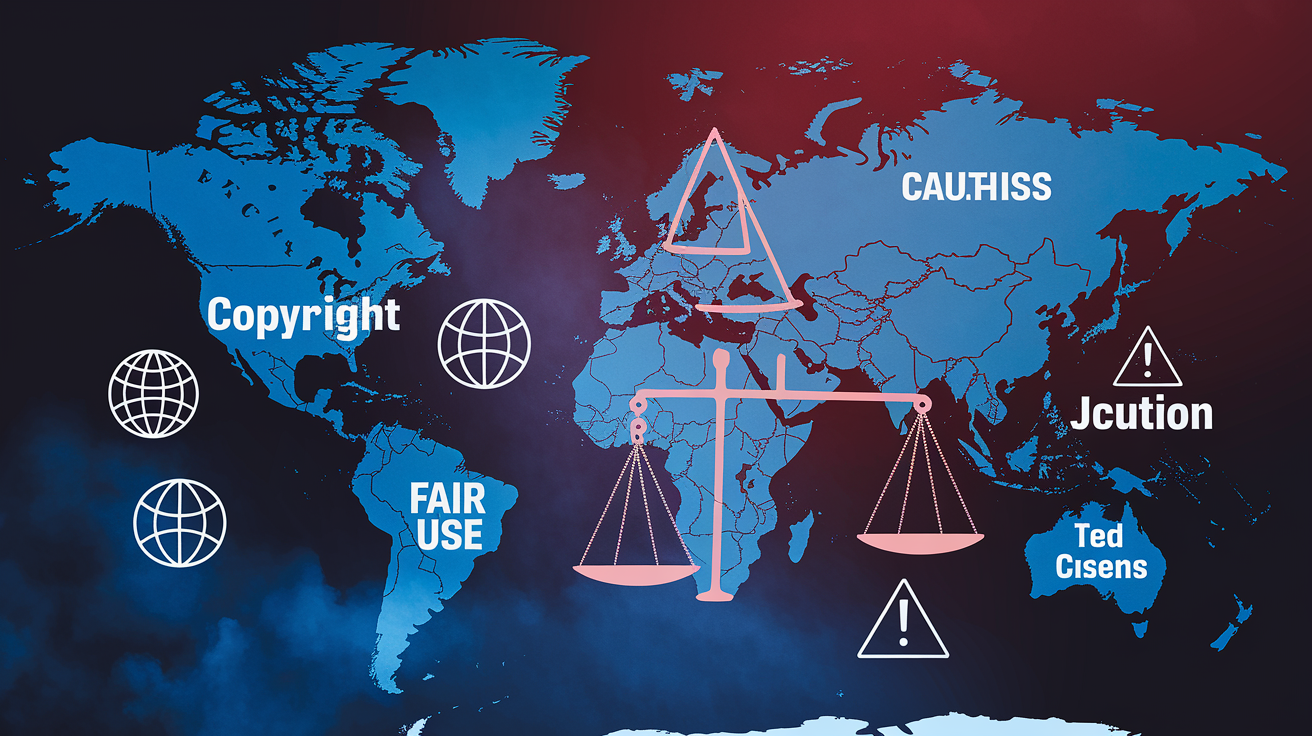
Pop culture allusions carry regional and cultural challenges that can exclude or confuse audiences. A reference that feels universal within one country may be invisible elsewhere. American sitcom catchphrases, British panel show jokes, K-pop fandom terminology all assume specific media ecosystems. Translation makes it worse. Wordplay, slang, visual motifs tied to one language or culture often lose meaning when moved across borders. Writers working for international or diverse audiences need to check their references carefully, asking whether a given allusion will alienate readers who don’t share the necessary background. Misinterpretation is equally risky. Contemporary references can carry unintended political, social, or generational weight, especially when touching on marginalized communities or sensitive historical events. A reference meant as playful homage can read as mockery or appropriation if the writer misjudges the source material’s cultural significance.
Legal risks exist too, though they vary by use case. Parody and brief reference typically fall under fair use protections. But reproducing copyrighted content extensively (quoting long passages of song lyrics, reposting entire meme images without permission, using trademarked characters in commercial work) can invite legal challenges. Trademark issues arise when brand names or recognizable logos appear in ways that suggest endorsement or create confusion. Writers and educators using allusions in nonprofit, educational, or commentary contexts generally face lower risk. Commercial creators should consult fair use guidelines and consider whether a reference crosses from brief nod into reproduction. The scraped content notes these concerns explicitly, saying parody offers some protection but isn’t risk free, and that legal caution increases when references involve proprietary content or trademarked figures.
Final Words
We laid out what pop culture allusions are and why they work, quick references that tap shared media, memes, and nostalgia.
We walked through examples in film, TV, music, memes, and games, and showed how modern nods differ from longer-lasting classical allusions.
Then we gave practical tips for writers and teachers, plus a heads-up on legal and cultural pitfalls.
Use the checklist here to pick clear, timely references. When done right, pop culture allusions boost humor and connection. Try one in your next piece — it’ll make your work feel current and fun.
FAQ
Q: Are pop culture references allusions, and what’s an example?
A: Pop culture references are often allusions—indirect nods to shared media relying on audience recognition. For example, quoting “On Wednesdays we wear pink” (Mean Girls) signals group familiarity and playful shorthand.
Q: What are some popular allusions and five examples of pop culture?
A: Popular allusions include recognizable lines, images, or motifs. Examples: Mean Girls’ quote, the Distracted Boyfriend meme, Stranger Things’ 1980s nods, Ready Player One Easter eggs, and The Simpsons’ celebrity cutaways.