

Controversial: most culture clashes aren’t about bad people, they’re about different rulebooks colliding.
Think of a team meeting where blunt feedback feels like an attack, or a neighborhood event that accidentally ignores a key tradition, and these moments pop up in boardrooms, classrooms, comment threads, and on the street because groups follow different scripts without realizing it.
Handled badly, they split teams and towns, but handled well they spark creativity and stronger community, so this post explains why values collide and gives clear steps, from cultural intelligence training to small mixed events, to bridge those gaps.
Understanding Cultural Clash Dynamics in Modern Society

Culture clash happens when people from different backgrounds bump into each other with completely different rulebooks. It’s not always a screaming match. Sometimes it shows up as awkward silence when someone’s directness feels rude, or when a neighborhood event accidentally ignores a tradition that matters deeply to half the people there.
You’ll find it in boardrooms, classrooms, online comment sections, anywhere expectations collide hard enough to spark confusion or actual conflict. The root cause? Rarely malice. More often it’s two groups following different scripts without realizing the other side is doing the same thing.
These clashes surface in familiar places:
Workplace tension — Your manager’s casual “how was your weekend?” feels invasive if you’re from a culture that keeps work and personal life in separate boxes.
Local vs. newcomer friction — Galveston’s March/April 2026 “Love on the Island” issue dug into how islanders and transplants navigate romance when unwritten island loyalty rules slam into mainland expectations.
Immigrant integration — Newcomers face pushback when host country norms around punctuality or child discipline contradict values they’ve held for generations.
Product naming disasters — A brand name that sounds smart in one language becomes offensive or ridiculous in another.
Nonverbal confusion — Eye contact means respect in some cultures, defiance in others. Routine conversations turn into distrust without anyone understanding why.
The fallout ranges from mild awkwardness to full community fracture. Workplaces lose productivity when people second guess every interaction. Communities split when media outlets pick one group’s voice over another. But here’s the thing: managed right, cultural difference can actually strengthen identity, spark creativity, build resilience. The same Galveston publication documenting tensions also uses tiny concerts and community calendars to create spaces where different voices meet on equal ground.
Real World Culture Clash Case Study: Community, Creativity, and Identity in Galveston

Galveston’s local publication calls itself “A Venue for Galveston’s Free Thinkers.” It’s a printed and online platform built for honest, sometimes uncomfortable conversations among islanders and visitors. The March/April 2026 issue, “Love on the Island,” tackled romance and self love in a tight knit coastal community where everyone knows everyone and the line between insider and outsider is both invisible and rock solid.
That issue asked uncomfortable questions. What does it mean to love an islander when the island itself is part of the relationship? How do newcomers figure out unspoken codes around loyalty, local businesses, hurricane season rituals? The editorial team invited writers, artists, photographers, poets to submit stories that captured these tensions without smoothing them over. The result was a snapshot of cultural clash in real time, where different values around rootedness and mobility and belonging collided right on the page.
The publication doesn’t just document friction. It tries to bridge it. The Galveston Pulse Calendar lists community events from farmers markets to art shows, designed to pull diverse audiences into the same physical space. The Kitchen Tiny Concerts series brings musicians and listeners together in intimate settings where genre and background matter less than shared attention. Contributor calls recruit voices from across the island’s demographic spectrum, trying to dissolve barriers instead of reinforcing them.
| Local Element | Cultural Tension Reflected | Date/Context |
|---|---|---|
| March/April 2026 “Love on the Island” issue | Islanders vs. transplants, commitment norms and local loyalty expectations | Bi-monthly themed publication released March/April 2026 |
| The Kitchen Tiny Concerts | Genre boundaries and informal social etiquette in shared creative spaces | Recurring event series listed on community calendar |
| Contributor recruitment (writers, artists, poets) | Access to publication platforms, whose stories count as “authentic” island voices | Ongoing call for submissions, emphasized across site navigation |
By treating cultural difference as material instead of obstacle, the publication models one way a community can address clash without pretending it doesn’t exist. It’s messy, ongoing, not a solved problem.
Drivers Behind Culture Clash Across Communities and Organizations
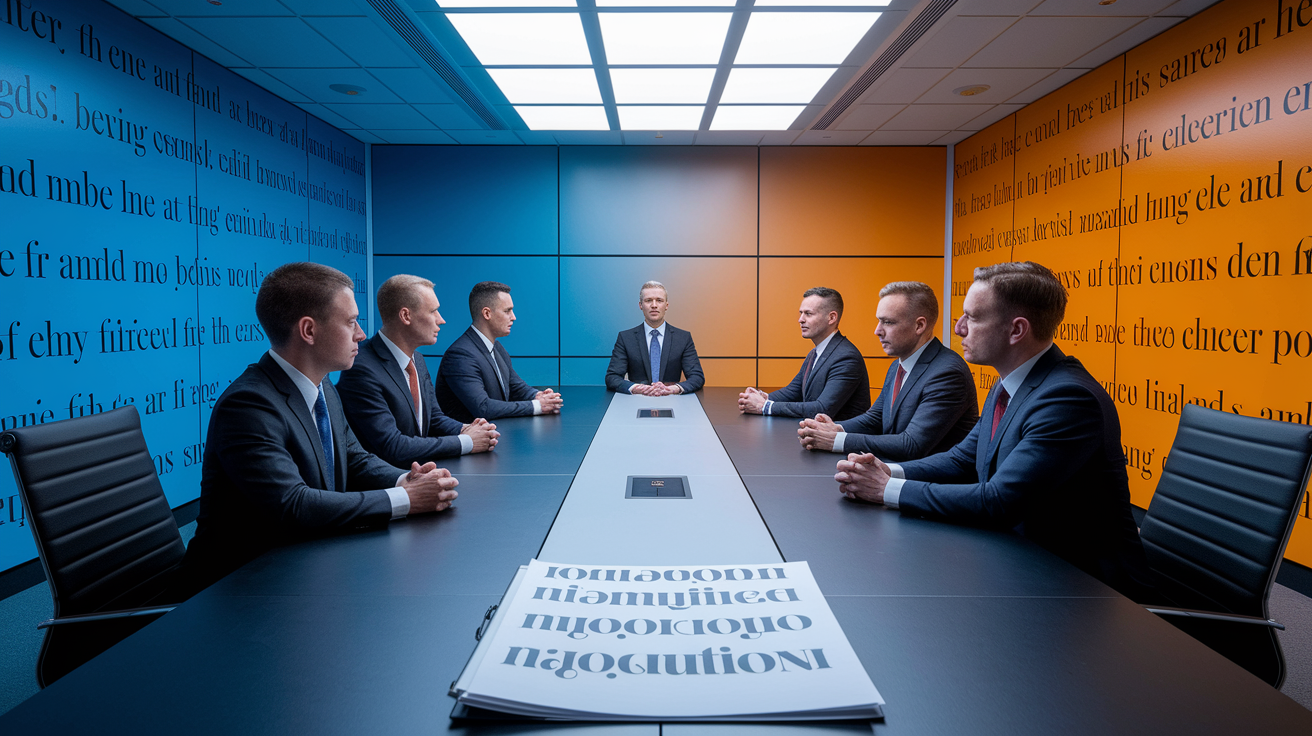
Cultural clashes don’t appear out of nowhere. They’re rooted in specific, identifiable drivers that show up across contexts. Communication barriers are the most visible. When one group values directness and another prioritizes saving face, the same sentence can land as clarity or cruelty. Language is part of it, but so are different assumptions about tone, timing, who gets to speak first.
Different traditions and values run deeper. A community celebrating individual achievement clashes with one that prizes collective well being. Island specific norms, like the Galveston case, often hinge on unstated codes around who belongs, who supports local businesses, who’s earned the right to criticize. Outsiders break these rules without knowing they exist. Locals read the breach as disrespect, not ignorance.
Media framing can crank up these tensions or cool them down. A publication highlighting only one side’s grievances fuels polarization. One creating space for multiple perspectives, like Galveston’s contributor model, can help communities see their own assumptions more clearly. The trick is editorial discipline. Provocative doesn’t mean one sided. Honest communication requires representing voices that make the editors uncomfortable. When media outlets fail that test, they become amplifiers of clash instead of bridges across it.
Consequences of Cultural Clash: Social, Workplace, and Community Impact
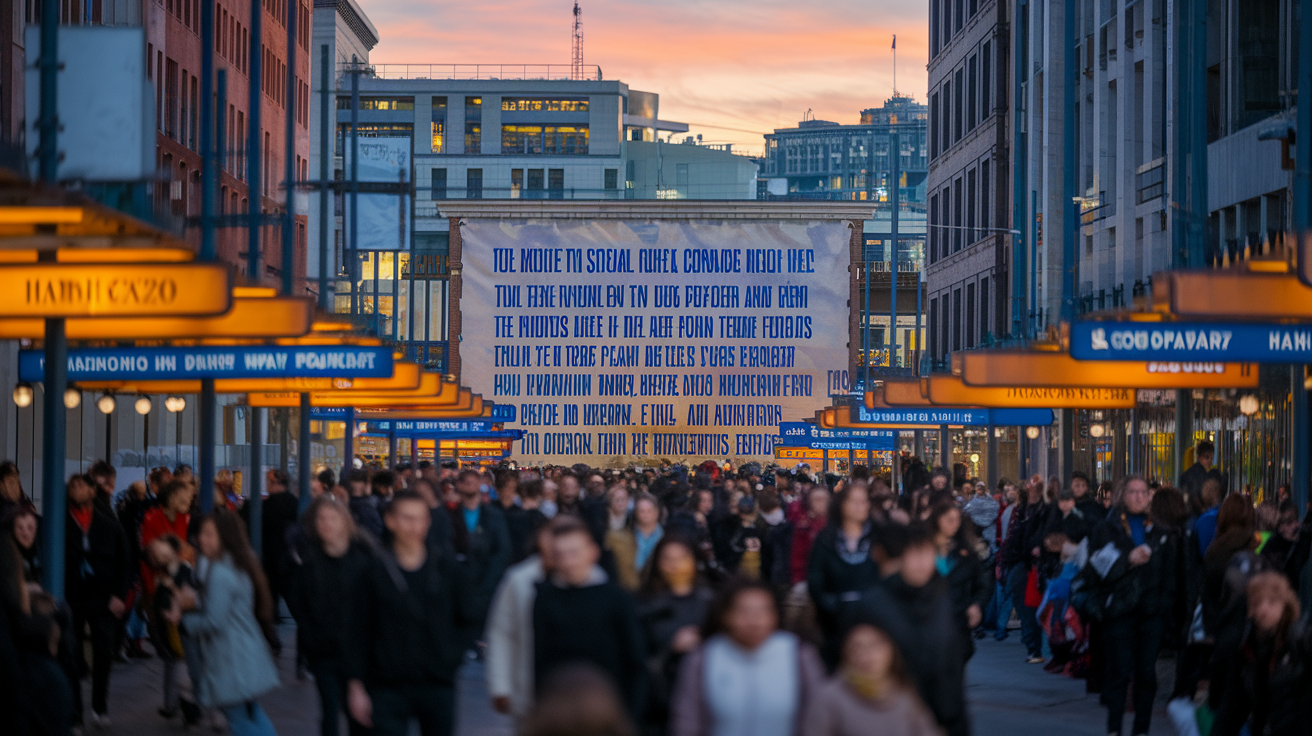
When cultural clashes go unmanaged, the fallout spreads fast. Social division is the most immediate result. Groups stop mixing, events become segregated by preference or discomfort, shared spaces feel hostile to someone. What starts as a single misunderstanding hardens into mutual avoidance. Avoidance becomes the new normal.
Workplaces suffer measurable productivity losses. Teams waste time navigating unspoken tension instead of solving problems. High performers leave rather than endure chronic miscommunication. Hiring and retention costs climb. The organization’s reputation takes a hit in markets where cultural intelligence matters. The same dynamics play out in volunteer organizations, schools, community boards.
Workplace specific fallout includes missed deadlines when team members interpret urgency through different cultural lenses. Innovation stalls because diverse perspectives never get aired in meetings dominated by one communication style. Talent flight happens as employees from minority cultural backgrounds seek environments where they don’t have to constantly translate or justify their approach. Reputation risk builds when external partners or customers perceive the organization as culturally tone deaf or exclusionary.
Communities face their own costs. Marginalized voices stop contributing to public forums, policy discussions, creative projects. Local identity either fractures or crystallizes around exclusion, with long time residents digging in against change and newcomers forming parallel networks. In some cases conflict strengthens group cohesion within each camp, but at the price of broader collaboration. Galveston’s publication noted this double edge: cultural clash can fuel defensiveness or deepen understanding, depending on how the community chooses to engage it.
Strategies to Reduce Cultural Clash and Build Intercultural Competence

Reducing cultural clash requires intentional, repeatable practices, not one time workshops. Cultural intelligence training is a starting point. It teaches individuals to recognize their own cultural defaults, ask clarifying questions, adjust behavior without abandoning core values. The goal isn’t to erase difference but to navigate it with less friction and more curiosity.
Mediated dialogues work when tensions are already high. A neutral facilitator structures conversation so each side can articulate its perspective and hear the other’s without immediate rebuttal. These sessions succeed when ground rules are clear and enforcement is consistent. Without structure, dialogue devolves into venting or grandstanding.
Inclusive event planning matters more than most organizations realize. A community calendar featuring only one demographic’s holidays or a concert series booking only one genre sends a message about whose culture counts. Galveston’s Tiny Concerts model mixes styles and audiences in small, informal settings where the barrier to entry is low and the chance to discover something unfamiliar is high. Event planners can borrow that approach: rotate venues, vary formats, actively recruit participants from underrepresented groups.
Six actionable strategies to prevent and manage culture clash:
CQ training for all staff and volunteers builds baseline awareness of communication styles, hierarchy norms, conflict resolution preferences across cultures.
Mediated dialogues for high stakes conflicts bring in a trained facilitator when polarization is visible and trust is low.
Diversified event programming uses calendars, tiny concerts, kitchen series, pop up collaborations to mix audiences and challenge genre or demographic silos.
Editorial balance in community media recruits contributors from across cultural divides and enforces transparency about whose voices are featured and why.
Cultural mapping exercises have teams or organizations identify their own unwritten norms, then compare notes to surface hidden assumptions.
Feedback channels with follow through create safe, anonymous ways for people to report cultural friction, then act on patterns rather than individual complaints.
Venues like Galveston’s publication use programming as a form of cultural mediation. By listing events across genres, neighborhoods, audiences, they create opportunities for accidental encounters that wouldn’t happen otherwise. A farmers market pre order system or a community art show pulls people together around shared interest, not shared background. That’s where cultural competence gets practiced in real life, not just discussed in theory.
Workplace Culture Clash: Leadership, Teams, and Global Collaboration

Workplace culture clash hits hardest in leadership and team settings, where decisions have to be made and accountability has to be clear. Cross cultural leadership demands fluency in multiple styles. A leader who succeeds with a U.S. based team by rewarding individual initiative can alienate a team in a collectivist culture that values group harmony over personal recognition. Remote cross cultural teams add distance to the mix, turning every Slack message and Zoom call into a potential minefield of misread tone.
Time orientation is a frequent flashpoint. Cultures treating deadlines as firm commitments clash with those viewing schedules as flexible frameworks. Neither side is wrong, but when a project depends on synchronized handoffs, the mismatch creates real delays and real frustration. High context cultures rely on shared background and implicit cues, while low context cultures spell everything out. A high context team member can interpret detailed instructions as micromanagement. A low context colleague can see vague guidance as negligence.
| Workplace Clash Source | Example | Recommended Adjustment |
|---|---|---|
| Communication style (direct vs. indirect) | A manager’s blunt feedback is received as personal attack by a team member from a face saving culture. | Offer feedback privately, frame it as developmental, check for understanding rather than compliance. |
| Time orientation (monochronic vs. polychronic) | A U.S. based project lead expects punctual deliverables, a Latin American partner prioritizes relationship building calls that delay task completion. | Negotiate hybrid deadlines with buffer time, use shared project boards to make progress visible without constant check ins. |
Corporate culture alignment becomes critical when mergers, acquisitions, or cross border partnerships bring distinct workplace norms under one roof. Advertising and business development teams face values driven clashes when pitching to clients whose cultural priorities differ from the home office. The Galveston publication’s approach, matching advertising partnerships with community values, offers a template: align business goals with the cultural context of the audience, be transparent about that alignment. Otherwise the pitch lands as tone deaf and the relationship stalls before it starts.
Culture Clash Through Food, Business Identity, and Customer Expectations: Lessons from a Yogurt Bar
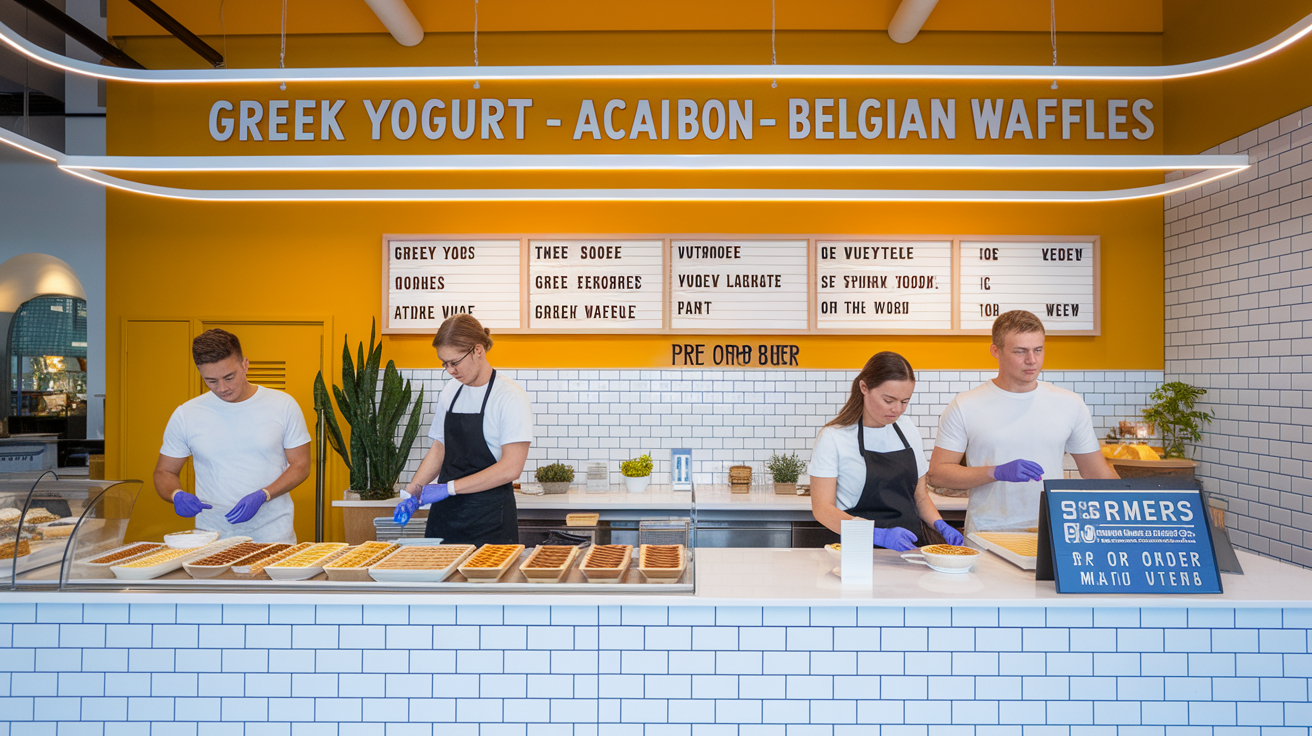
Food is one of the fastest routes to cultural connection and one of the quickest triggers for cultural clash. Culture Clash Greek Yogurt, a shop in Gilbert, Arizona, built its brand around fusion: Greek yogurt, acai bowls, Belgian waffles under one roof. The name itself plays with the double meaning, culture as yogurt starter, culture as identity. That fusion menu delights customers looking for variety and confuses those expecting authenticity in a single tradition.
The shop offers catering for birthday parties, holiday gatherings, corporate events, wedding festivities. Each event type brings its own cultural expectations. A corporate lunch can prioritize efficiency and dietary labels. A wedding can require navigation of religious dietary laws, family preferences, generational tastes. The shop’s Farmer’s Market Pre Order option and explicit nutritional info signal an attempt to manage those expectations before they become friction. Customer reviews praise the homemade granola and fresh fruit, but also reveal moments of clash. One Yelp review wondered if “caramel” and “Carmel” were different products, a small naming inconsistency that confused rather than clarified.
Food related cultural clashes show up in predictable patterns.
Fusion expectations create confusion when customers drawn by “Greek yogurt” feel misled by a menu also featuring South American acai and European waffles, or they celebrate the variety.
Dietary rules around religious or ethical restrictions (halal, kosher, vegan) create conflict when ingredients or preparation methods are unclear.
Naming conventions matter because a product name sounding premium in one language can seem generic or even offensive in another. Ingredient spellings (Carmel vs. caramel) matter for clarity and trust.
Ingredient associations vary because pineapple on yogurt is familiar in some food cultures and strange in others. Chocolate drizzle on a latte reads as indulgence in one context and excess in another.
Event catering norms shift because a casual farmers market vibe works for some gatherings and undercuts formality expectations for others.
The shop’s seven day a week schedule and accessibility note suggest awareness that customer needs vary. But the real test is whether staff are trained to ask the right questions when a catering inquiry arrives. Does the client expect traditional Greek flavors or creative fusion? Are there dietary restrictions the standard menu can’t accommodate? A single conversation can prevent a culture clash at the event itself.
Culture Clash in Global Music and Media Spaces

Music and media are where culture travels fastest and collides hardest. A record store in Toledo, Ohio, stocks vinyl across categories spanning the globe: Middle Eastern, World, Indigenous American, alongside Classic Rock, Hip Hop, Indie/Alternative. The 2026 pre order calendar includes Boards Of Canada, Modest Mouse, Madonna, Olivia Rodrigo, The Strokes. Artists whose fan bases carry distinct cultural codes around genre purity, nostalgia, authenticity.
RSD 2026 (Record Store Day 2026) is a flashpoint. Limited releases and regional exclusives create scarcity that fans interpret through cultural lenses. Collectors who value analog ritual clash with casual buyers who just want the music. The store’s “We Buy Records” service opens another front: sellers and buyers negotiate value based on different cultural markers. Original pressing, condition, regional significance. One person’s garage clutter is another’s cultural artifact. The transaction can go sour fast if either side feels disrespected.
The shift from physical to digital listening is itself a culture clash. Analog enthusiasts see streaming as disposable and soulless. Digital natives view vinyl collecting as performative nostalgia. The store’s emphasis on equipment service, speaker wire, tape decks, signals a commitment to analog culture, but it also highlights the gap between communities that never left physical media and those that never arrived.
| Artist/Category | Cultural Context | Potential Clash Point |
|---|---|---|
| Madonna, Confessions II (Pink vinyl, 07/03/26) | Pop icon with LGBTQ+ fan base and mainstream crossover appeal | Collectors debate whether colorful reissues honor or commercialize legacy |
| Indigenous American category | Music tied to specific tribal traditions and sovereignty movements | Non Indigenous buyers face questions about appropriation vs. appreciation, pricing and resale ethics vary by community norms |
| Middle Eastern section | Diverse region often flattened into single “world music” bin | Fans from different Middle Eastern cultures can object to being lumped together, Western buyers can exoticize or misinterpret lyrics and themes |
| Local (Ann Arbor, Fort Wayne, Grand Rapids) | Regional pride and DIY/indie scenes with strong insider/outsider boundaries | Outsiders buying local releases can be seen as gentrifiers or tourists, locals can resist national attention as dilution of scene authenticity |
Media representation and bias shape how these clashes play out. A store curating Indigenous or Middle Eastern sections with input from those communities avoids the worst pitfalls. One treating “World” as a catch all bin reinforces the idea that non Western music is niche or other. The Toledo store’s explicit local sections (Ann Arbor, Fort Wayne, Grand Rapids) show an effort to honor regional identity without othering it. That’s a small but meaningful editorial choice in a space where every bin label is a statement about whose culture counts.
Final Words
We defined culture clash as conflicts from differing norms, values, or communication styles and ran through quick, real examples — workplace misunderstandings, immigrant integration, Galveston’s “Love on the Island,” a yogurt bar’s menu mix, and music‑store tensions.
We mapped common drivers like language gaps, nonverbal cues, and media framing, along with consequences from polarization to stronger local identity.
Practical moves — CQ training, mediated dialogues, inclusive events, editorial balance — can turn friction into connection. Expect more local programming and cross‑cultural work that makes culture clash useful, not just painful.
FAQ
Q: What does culture clash mean?
A: The phrase “culture clash” means conflict caused by differing cultural norms, values, or communication styles, often showing up in workplaces, immigrant integration, local communities, or media representation.
Q: Is culture clash still together? Who is culture clash?
A: The questions “Is culture clash still together?” and “Who is culture clash?” — “culture clash” is a concept, not a group; if you mean the comedy troupe Culture Clash, their lineup and activity have shifted over time.
Q: What is an example of a cultural clash?
A: An example of a cultural clash is workplace expectations: direct feedback from one culture can feel rude to someone from a high-context culture, causing misunderstandings and lowered team morale.