

Think culture is just food and festivals?
Think again.
At its core, culture is a system made of language, symbols, values, and beliefs that shape how people talk, act, and trust one another.
This post breaks those elements down so you can spot them in a classroom, a boardroom, or while scrolling social media.
Knowing these pieces lets you read behavior, decode meaning, and predict what a group will do next.
Comprehensive Overview of the Core Elements Shaping Culture

Culture is the web of shared practices, knowledge, and meanings that bind people into recognizable communities. Scholars usually organize culture into five to seven core elements: language, symbols, norms, values, beliefs, customs, and artifacts. These pieces work together to define how a society communicates, what it considers important, and how members navigate daily life. Understanding these elements turns abstract ideas about culture into a checklist you can observe anywhere, from a remote village to a global corporation.
Material culture includes tangible items. Tools, clothing, utensils, and technology that people create and use. Non‑material culture covers the intangible parts like slang, tone, social norms, beliefs, and values that guide interpretation and use of those material objects. Chopsticks (an artifact) carry meaning only within a cultural system that values communal dining and certain table manners. A smartphone is material culture, but the emoji language and social‑media etiquette people use on it? That’s non‑material. Both layers matter. Both evolve together.
Each element reinforces the others. Language gives shape to symbols, symbols embody values, values organize norms, norms dictate rituals, and rituals often involve specific artifacts. When a community lowers its national flag to half‑mast, it combines a physical artifact (the flag), a symbolic gesture (lowering), a norm (respect for the deceased), and a value (collective mourning). No single element explains culture by itself. The system forms a coherent whole.
| Element | Example |
|---|---|
| Language | American English idiom “Monday‑morning quarterback” or Russian distinction between two blues (“goluboy” vs “siniy”) |
| Symbols | US bald eagle or Canadian maple leaf representing national identity |
| Norms | Queuing in line at a coffee shop or eating with chopsticks instead of forks |
| Values | Individual liberty in the United States or group harmony in Japan |
| Beliefs | Scandinavian “Hygge” (cozy social living) or a collective conviction that education leads to economic mobility |
| Customs | Thanksgiving dinner in the US or Veterans Day ceremonies |
| Artifacts | Matryoshka dolls from Russia or sombrero hats from Mexico |
Language as a Foundational Element Within Culture

Language is the primary vehicle for transmitting culture across generations and geographies. It includes spoken words, written text, slang, dialects, tone, gestures, symbolic communication. In Russia, speakers distinguish between two shades of blue, “goluboy” and “siniy,” that have no single‑word equivalents in English. German speakers use “Schadenfreude” to name pleasure derived from another’s misfortune, a concept English speakers can describe but don’t capture in one term. These examples show how language carves up reality in culturally specific ways. When you learn a new language, you also inherit the cultural logic encoded in its grammar and vocabulary.
Language variation and dialects reinforce local identities and signal membership. American English speakers say “home run” to mean success and “it grinds my gears” to mean frustration. Australian English speakers say “flat out like a lizard drinking” (very busy) and “chuck a sickie” (take a sick day). Even within one national border, regional accents, slang, and idioms mark who belongs to which subculture. Non‑verbal communication, gestures, body language extend the linguistic system. A thumbs‑up or direct eye contact can mean approval in one culture and disrespect in another.
Language shapes worldview by naming categories that matter to a community’s survival and values. Dialects and idioms create in‑group bonds and signal regional or generational identity. Non‑verbal cues like tone, pitch, and body language add layers of meaning that words alone can’t carry. Translation is never neutral. Each language’s structure reflects the culture’s priorities and history.
Values and Beliefs as Cultural Elements That Guide Behavior

Values are the broad principles a culture holds important. Freedom, loyalty, fairness, harmony. Beliefs are the specific assumptions a group accepts as true, whether religious, philosophical, or practical. Together, values and beliefs form the ideological backbone of culture. They define what counts as success, what behaviors deserve praise, and what actions trigger shame or punishment. In the United States, individual liberty is a core value, shaping everything from legal systems to parenting styles. In Canada, social democratic values encourage collective responsibility for health care and education. In China, national and collective integrity guides public policy and social norms.
Beliefs don’t have to be religious to shape behavior. Scandinavian “Hygge” is a belief system centered on cozy, intentional social living, influencing design, work culture, and leisure time. People in Haiti share practical beliefs about hurricane preparation and rebuilding, knowledge passed down through generations and adapted after each storm. These beliefs guide survival and shape identity as much as any formal doctrine. Values and beliefs also influence attitudes, the observable tone groups take toward hierarchy, change, or outsiders. A culture that values innovation will show openness to risk. A culture that values stability will enforce strict norms and resist rapid change.
When values and beliefs align across a society, norms and rituals feel natural. When they clash, you see tension, negotiation, or transformation. A community that values egalitarianism but still practices rigid social hierarchies will eventually feel pressure to reconcile the gap. Values and beliefs aren’t static. They evolve as new generations question old assumptions and as cultures come into contact through migration, trade, or digital media.
Norms, Customs, and Traditions as Observable Elements of Culture
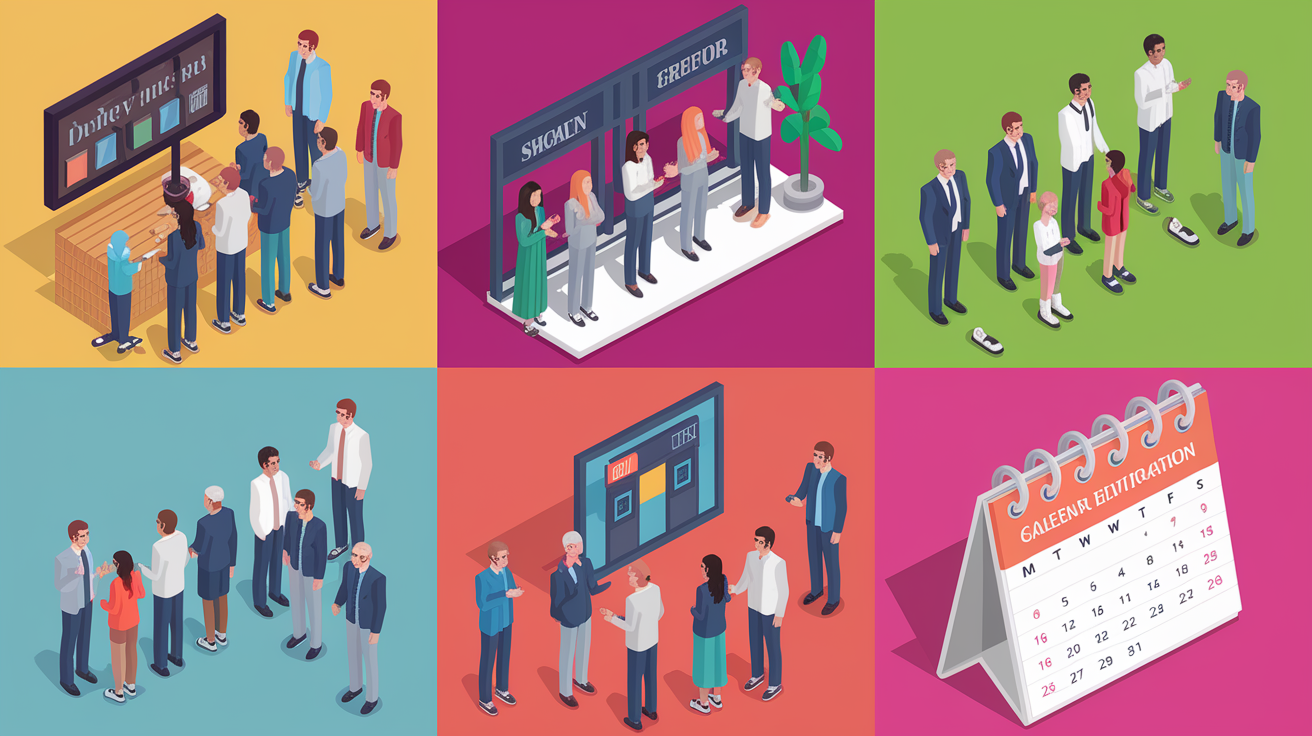
Norms are the unwritten and written rules that organize daily behavior. Sociologists divide norms into folkways, the informal habits like queuing at a bus stop, and mores, the formal rules like traffic laws or immigration regulations. Folkways guide small interactions and make social life predictable. Mores carry moral weight, and violating them brings legal or social punishment. Customs are established practices tied to specific contexts, like how you greet a stranger or what you wear to a wedding. Traditions are customs passed down through generations, often marking identity and continuity.
Taboos are norms that forbid certain actions. In the United States, failing to tip service workers is socially frowned upon and can provoke visible frustration. In New Zealand, tipping culture is far weaker, and over‑tipping can feel awkward. In Morocco, older generations consider men wearing shorts in public disrespectful. These differences show how norms shape what feels normal versus offensive. Dress codes, greeting styles, which side of the footpath you walk on, all reflect local norms. Eating with forks and knives is standard in Western contexts. Eating with hands is customary in many parts of South Asia. Chopsticks dominate in East Asia. None of these is objectively better, but each signals belonging.
Queuing in line without cutting (folkway in the UK and many Western countries). Tipping servers 15–20 percent in the United States (strong social expectation). Removing shoes before entering a home (common in Japan, parts of Canada, Scandinavia). Avoiding direct eye contact with elders as a sign of respect (norm in some African and Asian cultures). Covering shoulders and knees in religious sites (expected in Catholic churches, mosques, Hindu temples). Greeting with a handshake, bow, or cheek kiss depending on the region (Europe, Japan, Middle East).
Symbols and Artifacts as Cultural Indicators
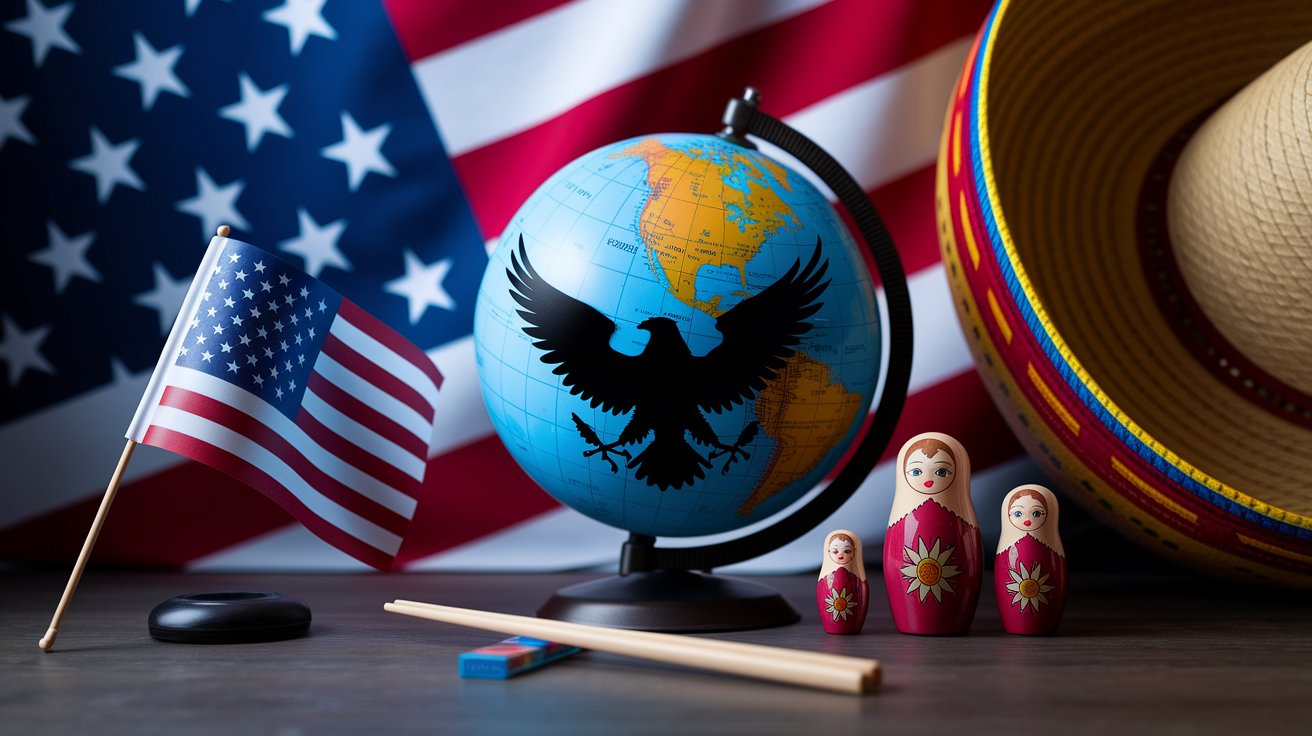
Symbols are objects, gestures, images, or sounds that carry shared meanings beyond their physical form. A national flag is fabric and thread, but it represents sovereignty, sacrifice, collective identity. The bald eagle symbolizes the United States. The maple leaf stands for Canada. The panda and dragon evoke China. Symbols can shift meaning over time. The swastika was an ancient symbol of well‑being in Hindu and Buddhist traditions until its 20th‑century appropriation by the Nazi regime inverted its significance in Western contexts. Company logos, military uniforms, even the color of office walls function as symbols, signaling status, values, or expected behavior.
Artifacts are the material objects cultures produce and use. They range from low‑tech tools like chopsticks and Matryoshka dolls to high‑tech items like smartphones, ear pods, laptops. Artifacts embody the cognitive and creative skills of a culture. A sombrero hat from Mexico or Spain reflects climate adaptation, craft tradition, regional aesthetics. Australian Aboriginal dot paintings encode stories and maps in visual form. Modern artifacts like smartphones are global, but how people use them, what apps dominate, what etiquette governs their use, all vary by culture. An artifact is never just an object. It’s a carrier of meaning shaped by the symbols, values, and norms around it.
| Type | Example |
|---|---|
| Symbol | Chinese lantern representing prosperity and celebration during Lunar New Year |
| Symbol | Canadian maple leaf on the national flag, signaling identity and natural heritage |
| Artifact | Japanese chopsticks used in traditional dining and linked to etiquette around communal eating |
| Artifact | Russian Matryoshka nesting dolls showcasing folk art and family symbolism |
Rituals, Ceremonies, and Festivals as Cultural Expressions

Rituals are fixed‑order actions that communities repeat to mark transitions, honor values, or build solidarity. Ceremonies are solemn, formal rituals often tied to legal, religious, or national significance. Festivals are larger, celebratory gatherings that blend ritual, food, music, social bonding. In the United States, Veterans Day ceremonies involve parades, moments of silence, the lowering of flags to half‑mast, honoring military service through repeated symbolic acts. In India, cremation practices follow precise religious rituals that guide the deceased’s passage and comfort the living. These rituals transmit beliefs and values across generations, anchoring abstract ideas in lived experience.
Festivals highlight cultural identity on a communal scale. Día de los Muertos in Mexico blends indigenous and Catholic traditions, using altars, marigolds, food offerings to remember and celebrate the dead. Burning Man in the United States started as a countercultural art event and evolved into a festival centered on self‑expression, gifting, temporary community. Both festivals create space for people to enact values, whether reverence for ancestors or radical creativity. National holidays like Thanksgiving in the United States or bank holidays in the UK function as secular ceremonies, giving people time to gather, reflect, reinforce shared norms.
Rituals and ceremonies can be religious, civic, or subcultural. An initiation rite like the Bemba “chisungu” ceremony in Zambia marks a girl’s transition to adulthood through days of dance, instruction, symbolic acts. A corporate ritual like celebrating an employee’s retirement or launching a new product reinforces organizational values and builds emotional cohesion. Rituals make the invisible visible. They turn abstract values like respect, gratitude, or unity into embodied practice that everyone can witness and participate in.
Social Structures Within the Elements of Culture
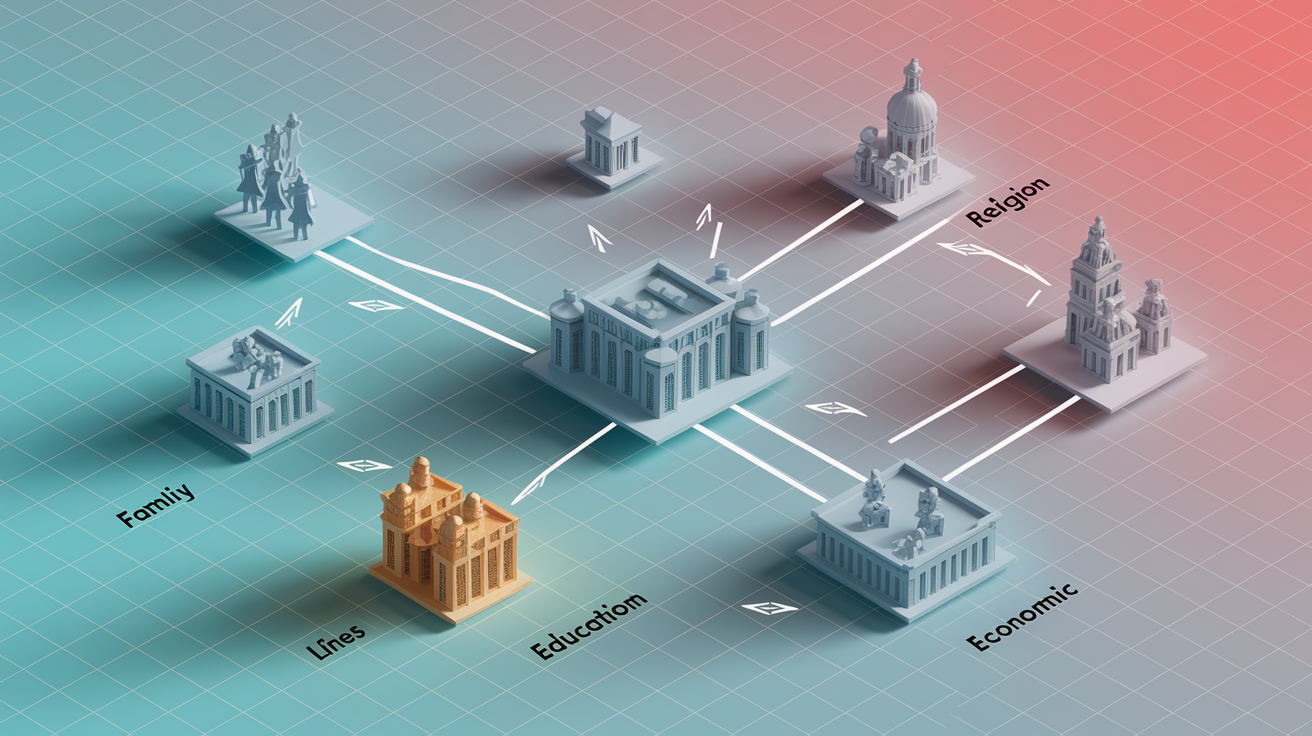
Social institutions organize power, resources, responsibilities. The family is the primary institution for socialization, teaching children language, norms, values before they encounter schools, workplaces, or religious groups. Education systems transmit formal knowledge and reinforce cultural norms about success, discipline, social mobility. Economic practices, from subsistence farming to digital commerce, reflect and shape values around work, wealth, fairness. Legal systems codify mores into enforceable rules, defining what behavior a culture will punish and what it will protect.
Social hierarchy structures who holds authority and how status is assigned. In patriarchal systems, men occupy leadership roles in families, businesses, governments, justified by cultural values around gender and strength. In monarchies, birthright and tribal lineage determine power, a hierarchy rooted in tradition and myth. In democratic systems, elected representatives derive authority from popular consent, reflecting values around equality and participation. None of these systems is universal. Each reflects the historical and ideological priorities of its culture. Hierarchies can shift when values evolve or when contact with other cultures introduces new models.
Institutions reinforce one another. Religious organizations teach values that families echo. Schools prepare students for economic roles. Legal systems protect property arrangements. When institutions align, culture feels stable. When they conflict, for example when a traditional family structure clashes with new educational norms about gender equality, cultures enter periods of negotiation and change.
Family (transmits foundational norms, language, identity). Education (formalizes knowledge and shapes career trajectories). Religion (provides spiritual meaning and moral frameworks). Economic institutions (organize production, trade, resource distribution).
Creative and Recreational Elements of Culture: Music, Dance, Food, and Sports
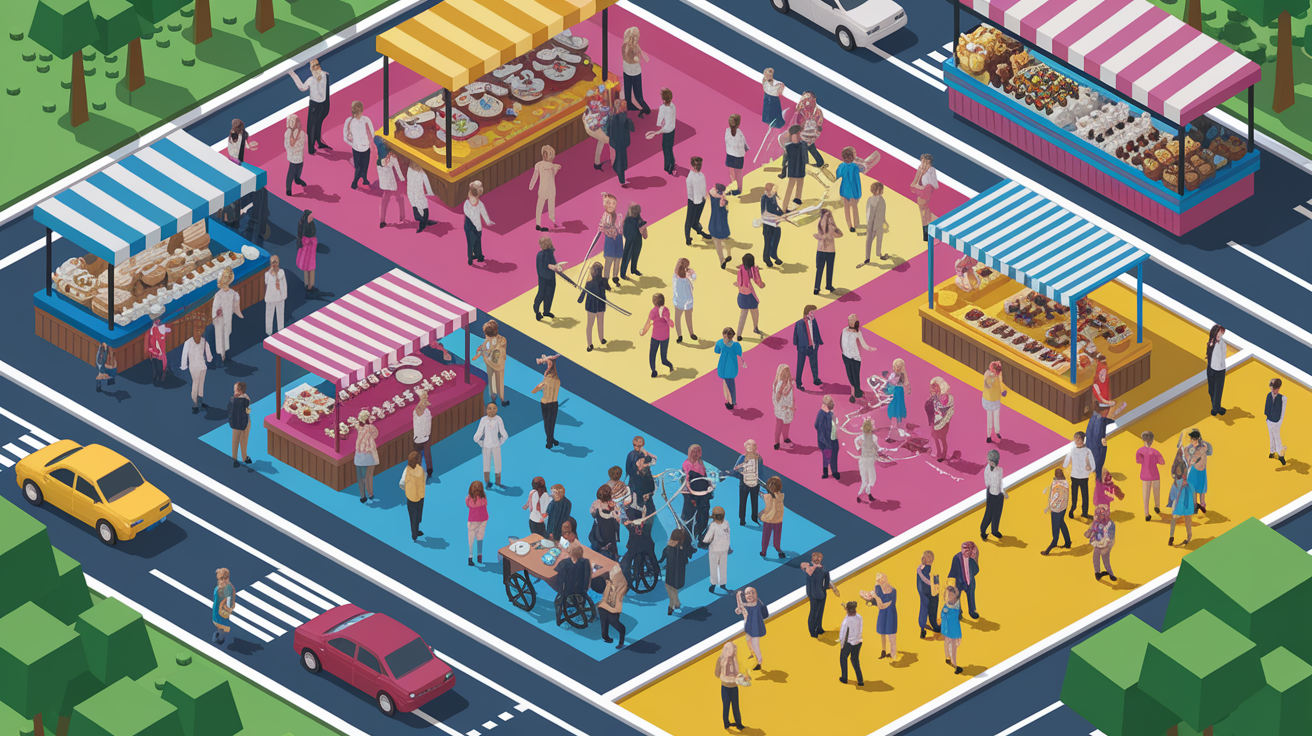
Music and dance are expressive outlets that encode emotion, history, identity. Southern US country music reflects rural life, storytelling, working‑class pride. British pop and rock, shaped by the Beatles and subsequent bands, influenced global music culture. Traditional Japanese instruments like the Shamisen, Shakuhachi, and Koto carry centuries of aesthetic refinement and religious meaning. Dance styles range from tango in South America, rooted in immigrant communities and African rhythms, to mosh pits at North American punk and metal concerts, where physical intensity signals belonging and catharsis. Indigenous ceremonial dances in Australia and Canada transmit spiritual knowledge and connect participants to land and ancestors.
Food, or foodways, is one of the most immediate markers of culture. Italian cuisine, built around coffee, pasta, pizza, is now global but remains tied to regional Italian identity and family rituals. Japanese sushi and seafood reflect island geography, Shinto values around freshness, centuries of culinary technique. Mexican cuisine centers on spicy foods, tacos, maize‑based staples, with Tex‑Mex emerging as a fusion style in the southern United States. Cuisine diffuses and adapts, but it retains symbolic weight. Sharing a meal is a ritual that enacts values around hospitality, family, community.
Cricket connects India and Australia through shared colonial history and ongoing rivalry. Baseball is called “America’s pastime,” symbolizing summer, small towns, nostalgia. Soccer (association football) is the world’s most popular sport, crossing language and economic barriers. Tango dancing in South America blends African, European, Indigenous influences into a passionate partner dance. Mosh pits in North American punk scenes create controlled chaos as a form of collective release. Japanese tea ceremonies use precise movements, seasonal ingredients, minimalist aesthetics to express respect and mindfulness.
How Cultural Elements Interact and Evolve Over Time

Cultural elements don’t exist in isolation. Language shapes symbols, symbols embody values, values organize norms, norms dictate rituals, rituals often require specific artifacts. When you see a community celebrate a national holiday, you’re watching multiple elements work together. The flag (symbol), the anthem (language and music), the parade (ritual), the veterans honored (heroes), the values of sacrifice and freedom all combine into a single cultural event. Each element reinforces the others, creating a system that feels coherent and meaningful to insiders.
Cultural diffusion happens when elements from one culture spread to another through trade, migration, conquest, or digital media. Tex‑Mex cuisine is a product of diffusion, blending Mexican ingredients and techniques with American ingredients and tastes along the southern US border. The swastika’s meaning shifted through cultural contact and appropriation, moving from ancient religious symbol to 20th‑century political icon. Symbols can gain or lose meaning depending on who uses them and in what context. Globalization accelerates diffusion, making once‑local music, food, fashion available worldwide, but also raising questions about authenticity and exploitation.
Culture is fluid across generations. What one generation treats as sacred tradition, the next may view as outdated custom. Social movements, technological change, encounters with other worldviews all pressure cultural systems to adapt. Gothic architecture in Prague reflects the priorities and resources of late Middle Ages Europe. Soviet‑era concrete apartment blocks embody the mid‑20th‑century values of efficiency, collectivism, state control. As people migrate, intermarry, consume global media, new hybrid cultures emerge, blending elements in ways previous generations never imagined. Culture evolves, but it does so through the same basic elements: language, symbols, norms, values, beliefs, rituals, artifacts, each adapting to new contexts and carrying forward traces of the past.
Final Words
We mapped the big pieces that shape culture: language, values, norms, symbols, rituals, customs, and artifacts. We showed how material and nonmaterial forms fit into that simple framework. You saw examples from food and music to laws and family roles.
We also traced how those parts interact and change over time through contact, diffusion, and daily practice.
Use this list of elements of culture as a quick lens to spot how meaning and identity form around you. It’s clear, useful, and kind of fun.
FAQ
Q: What are the five main elements of culture?
A: The five main elements of culture are language, norms, values, beliefs, and symbols. They shape how people communicate, behave, decide right from wrong, and share meaning.
Q: What are the 7 elements of culture?
A: The seven elements of culture are language, norms, rituals and ceremonies, symbols, values and beliefs, cognitive frameworks, and artifacts. Together they explain communication, behavior, meaning, and material expression.
Q: What are the 10 elements of culture and examples?
A: The ten elements of culture include language, symbols, norms, values, beliefs, customs, rituals, artifacts (material items), social institutions, and expressive culture — for example music, food, and sports.