
Are TikTok sound remixes unstoppable?
One short clip can sweep across feeds, spawn duets and stitches, and pop up in thousands of videos within hours.
That’s not random: the app’s recommendation engine, emotional hooks like nostalgia and FOMO, and built-in remix tools create a self-feeding loop that rewards replay and reuse.
We’ll break down how the algorithm spots repeats, why nostalgia can send an old song to a billion streams, and how anyone can remix a sound and join the trend.
Core Reasons TikTok Sound Remixes Go Viral
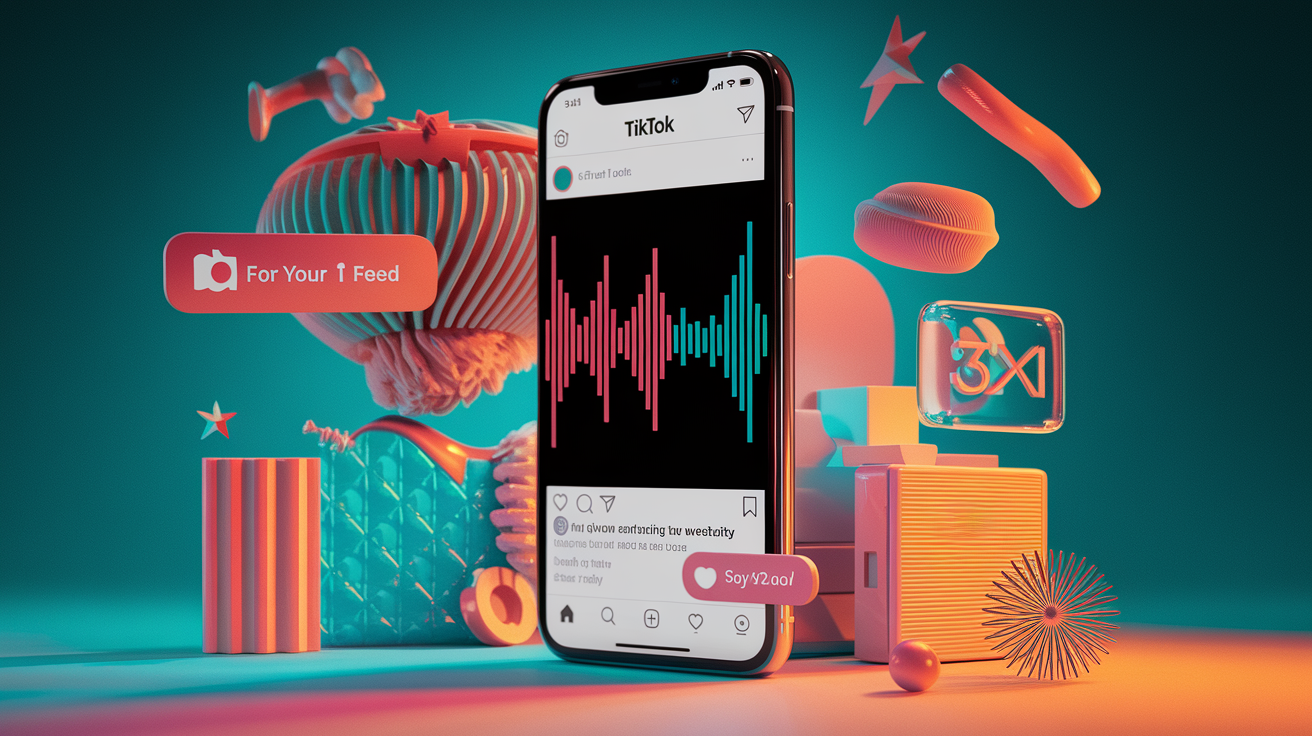
TikTok treats short audio clips like reusable building blocks, feeding them into millions of feeds through its automated recommendation engine. When a sound pulls engagement—likes, shares, saves, watch time past the 50% mark—the For You Page pushes that audio into bigger audiences, building exponential reach. Every time someone reuses a sound, TikTok gives it another boost if viewers actually engage with the videos. A single 15-second clip can turn into a self-feeding loop that just keeps growing.
The psychological pull happens fast and works on multiple levels. Nostalgia drags older tracks from the ’80s and ’90s back into rotation, sometimes blowing past their original success. A 1985 song racked up 1 billion Spotify streams after popping up on TikTok decades later. Phrases like “very demure” spark instant curiosity, driving a 1,316% jump in searches within days. FOMO and that nagging fear of being out of the loop push people to jump on trending audio quickly. Emotional hooks—whether it’s humor, romance, or revenge—make each sound stick in your head after just a few exposures.
User-generated content and built-in remix tools make it stupid easy to participate. Features like duet, stitch, and sound libraries let anyone layer fresh context onto a viral clip. You can reenact the “I like my suitcase” CNN moment, pair “Babylon” with outfit changes, or send “Silver Springs” messages to your ex. Each remix multiplies the original sound’s reach, turning one audio file into hundreds of thousands of variations that spread across different groups, seasons, and formats.
Why remix audio spreads so fast:
- Algorithmic push – Strong engagement metrics feed sounds straight into the For You feed at massive scale
- Familiarity loops – Repeated exposure creates instant recognition and that catchy feeling
- Nostalgia factor – Old songs come back and often crush their original performance
- FOMO pressure – People rush to join in before the trend dies
- Easy remixing – Low barriers mean endless variations across different formats
Algorithmic Forces Behind Viral TikTok Remixes

TikTok’s recommendation engine watches every sound by tracking engagement signals in real time. Likes, comments, shares, saves, and especially watch time. The platform loves videos where viewers watch at least 50% of the content. That’s a strong signal something’s working. When a sound racks up high completion rates and rewatches across multiple videos, the algorithm reads it as valuable and starts surfacing more videos using that audio to fresh users.
Sound pages work like centralized hubs where every video using a specific clip gets indexed. This lets the algorithm measure overall performance and spot breakout moments. Looping makes this effect even stronger. A 10-second video that loops three times in a single view registers as sustained engagement, telling the system that the sound itself—not just what you’re watching—holds attention.
Replay value and loop design give short, punchy audio a built-in edge. Sounds with clear hooks, memorable lines, or strong beats naturally get people to replay them. The algorithm notices high replay value. Videos using these sounds then climb in the recommendation queue, reaching users who’ve engaged with similar audio or content before. This creates a flywheel. More creators adopt a trending sound, the algorithm detects rising usage speed and accelerates distribution, pushing the sound into broader demographics and different interest groups. The system doesn’t need manual tagging or playlist setup. It auto-indexes every audio snippet and matches it to user behavior patterns almost instantly.
Organic posting drives most viral music success on the platform. Data from ContraBrand shows that 63.8% of tracks in TikTok’s Top 200 that crossed 1,000,000 Spotify streams went viral mainly through unpaid, artist and user-generated content. Not influencer campaigns or paid promotions. The algorithm rewards real adoption over purchased reach. A sound that genuinely clicks with niche communities can outperform heavily marketed tracks if the engagement lines up.
Psychological Triggers Behind Viral TikTok Audio Trends

Repetition builds instant recognition and creates that catchy feeling that used to come from radio hits dominating public consciousness. When users hear the same sound across multiple videos in a single scroll—say, “Silver Springs” in three posts back to back—their brains start linking that audio with a specific emotion, joke, or visual pattern. This quick familiarization lowers resistance and gets viewers ready to participate themselves. Passive listeners become active remixers after just a handful of exposures. Memory loops form fast because TikTok’s short format forces sounds to deliver impact within seconds, embedding hooks before attention shifts.
Nostalgia works as a powerful emotional shortcut, especially for tracks from the ’80s and ’90s that carry shared cultural weight. When a decades-old song resurfaces, it taps into both established fans’ memories and younger users’ curiosity about “what their parents listened to.” One older track hit 1 billion Spotify streams after going viral on TikTok, crushing its original chart run because the platform introduced it to generations who never heard it the first time around. Emotional pull—whether it’s romantic longing, humor, or the satisfaction of petty revenge—gives sounds staying power. The psychology of TikTok sounds & why certain TikTok sounds end up trending shows that tracks tied to strong, relatable feelings spread faster because users want to signal their own emotional experiences through shared audio.
FOMO and curiosity drive how fast people adopt sounds. When a phrase like “very demure” suddenly shows up in thousands of videos, users who don’t immediately get the reference feel pressure to catch up. This triggers a 1,316% spike in searches for what the term means. That urgency to stay “in the know” speeds up participation rates. Users adopt trending sounds not just for creative expression but to avoid feeling left out of a cultural moment. Humor and absurdity—especially Gen Z’s preference for chaotic, self-aware comedy—make certain sounds naturally shareable, turning audio clips into inside jokes that spread through social networks like conversational currency.
Core psychological triggers:
- Repetition and recall – Hearing a sound multiple times in one session creates instant familiarity and makes it easier to jump in
- Nostalgia pull – Older tracks tap into generational memory and introduce classics to new audiences
- Emotional hooks – Sounds tied to romance, humor, or revenge let users express their own feelings
- FOMO drive – Fear of missing cultural moments pushes fast adoption before trends fade
How Remix Culture and Creative Reinterpretation Drive Virality
TikTok’s remix culture runs on creative reinterpretation, where a single audio clip becomes raw material for endless variations. A CNN clip of someone saying “I like my suitcase” morphed from a straightforward moment into reenactments, holiday humor, and politically timed satire. Each creator layers new meaning onto the original sound. Maybe it’s paired with a costume change, a pet reaction, or a visual punchline. This transformative approach means one sound can serve dozens of use cases—outfit transitions, lip-syncs, comedy sketches, emotional confessions—multiplying its reach across different subcultures and interest groups without the original creator guiding every iteration. The DJs of TikTok: Turning Popular Sounds Into Viral Remixes trend shows this perfectly. DJs like Malibu Babie and Tima Page take viral phrases like “man in finance” and blend them into live sets and mashups with tracks like “G6,” creating club-ready versions that then circulate back onto the platform. It closes a feedback loop between in-person events and digital content.
Mashup trends push virality even further by fusing recognizable audio fragments into unexpected combinations. DJ L BEATS layered the “man in finance” sound with a Cher quote about rich men. LOUD LUXURY dropped the “Pookie is looking amazing tonight” clip into a beat drop, turning a wholesome relationship moment into a high-energy dance floor moment. These remixes don’t just reuse audio. They recontextualize it, inviting audiences to experience familiar sounds in fresh settings that feel surprising and shareable. Discovering these mashups on TikTok’s sound library is instant, so users can adopt them right away and create their own spin without needing production skills or external editing software.
Why TikTok Makes Remixing So Accessible
TikTok’s built-in tools remove technical barriers that traditionally limited remix culture to producers and editors. Duet and stitch functions let users respond to or extend existing videos while keeping the original audio intact. A single sound can anchor thousands of split-screen reactions, side-by-side comparisons, or sequential storytelling threads. The platform’s sound library auto-indexes every audio clip used in a public video, making it searchable and instantly reusable. No need to download, trim, or upload files separately.
Templates streamline participation even more by offering pre-built transitions, effects, and timing structures. A user can apply a trending template to their own footage, and the sound automatically syncs to the visual beats. This lowers the creative lift required to produce something polished-looking. Layering is just as intuitive. Users can record original audio over a trending sound or adjust volume levels to highlight their own voiceover while keeping the viral clip audible in the background. This accessibility transforms remixing from a niche skill into a default mode of participation. Anyone with a smartphone can contribute to a sound’s evolution and extend its lifespan across the platform.
Community Participation, Influencer Impact, and Viral Network Effects
Influencers and celebrities work as cultural amplifiers, speeding up a sound’s journey from niche trend to mainstream moment. When a high-follower creator or public figure adopts a sound, their audience—often hundreds of thousands or millions—encounters the audio in a single posting cycle. This compresses weeks of organic growth into days or hours. Lola Young’s track “Messy” showed up in roughly 400,000 TikTok videos, with celebrity endorsements acting as tipping points that pushed the song beyond its initial fanbase and into broader recommendation feeds.
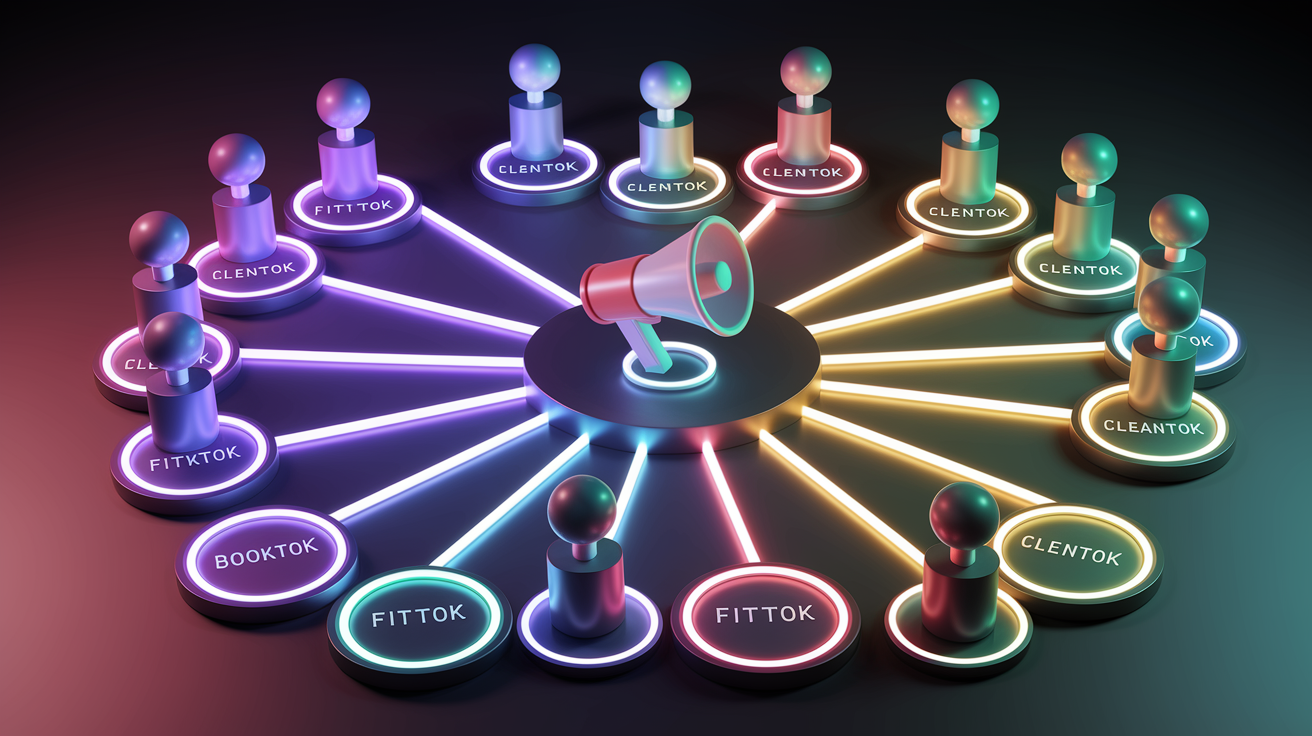
Niche communities play a big role too. A sound might first trend within a subculture—BookTok, FitTok, or CleanTok—before spilling into adjacent interest groups as users cross-pollinate content through shared tags, duets, or sound pages. This clustering effect means sounds often gain momentum in targeted pockets before exploding across the entire platform.
Network effects create exponential growth as each new participant exposes their followers to a sound, who then expose their followers. Social contagion theory explains why trends feel sudden. Once a sound crosses a critical mass of visibility, the probability that any given user will encounter it multiple times in a short window spikes. This triggers the psychological factors we covered earlier: FOMO, curiosity, and the desire to participate in a shared cultural moment. Shareability factors like humor, relatability, and emotional pull determine how far beyond a creator’s immediate network a sound will travel. Videos that prompt laughter, nostalgia, or strong reactions are more likely to be sent via direct message, reposted to other platforms, or bookmarked for later use. Each action feeds the algorithm’s amplification loop.
Sound trends typically last about a week at peak virality, though seasonal relevance and event-driven revivals can extend or resurrect a trend months later. Holiday tracks predictably resurge each year. Christmas hits, Halloween themes, summer anthems. They align with collective experiences and provide ready-made context for creators. A celebrity pregnancy sound from 2018 continues to be reused in 2024. This shows how emotionally resonant audio can achieve longevity if it remains relevant to new groups of users experiencing similar life moments. Rapid adoption is critical for creators hoping to ride a sound’s momentum. By the time a trend is widely recognized outside TikTok, its peak visibility window on the platform has often already closed.
Key network dynamics:
- Influencer adoption compresses organic growth timelines, pushing sounds into millions of feeds overnight
- Niche communities seed trends before they cross into mainstream visibility
- Seasonal and event-driven contexts allow sounds to revive predictably, extending their total lifespan
Real-World Case Studies Showing Why TikTok Remixes Explode in Popularity

Multiple sounds show how TikTok’s remix mechanics translate abstract concepts into measurable viral success. Danielle Collin’s repeated use of David Gray’s “Babylon” in outfit and transition videos helped the 1999 track resurface, introducing it to a generation that wasn’t born during its original chart run. The song’s nostalgic melody paired naturally with visual storytelling, giving creators an emotional soundtrack for personal style evolution and life updates.
Stevie Nicks’ live recording of “Silver Springs” became the go-to audio for sending passive-aggressive or heartfelt messages to exes. Thousands of users layered the song over text overlays, old photos, or reaction clips. The track’s raw emotional delivery turned it into a participatory ritual, where using the sound signaled membership in a shared experience of heartbreak or closure.
The phrase “very demure” shows how language-based sounds can generate cross-platform impact. Coined in a TikTok video in 2024, the phrase quickly became shorthand for understated elegance and ironic humor. It drove a 1,316% increase in searches for “demure” and a 22% jump in searches for “demure meaning” as users outside the platform encountered the term and sought context. The sound’s versatility—applicable to fashion, behavior, décor, and self-deprecating jokes—allowed it to spread across multiple content categories without losing coherence.
Meanwhile, 1990s track “There She Goes” found new life in autumn outfit videos, where its upbeat tempo and breezy vibe matched the aesthetic of seasonal fashion content. A decades-old song became a fall wardrobe staple soundtrack. One content campaign cited in the source material reached 1,000,000 views by leveraging trending audio, showing how strategic sound selection can deliver measurable reach even for branded or commercial content.
| Sound | Why It Went Viral | Key Metrics/Notes |
|---|---|---|
| “I like my suitcase” | CNN clip repurposed into reenactments, holiday humor, and political satire; highly remixable format | Spawned thousands of variations across multiple subcultures |
| “Babylon” by David Gray | Nostalgic 1999 track reintroduced through outfit and transition videos; emotional resonance with life storytelling | Repeated use by Danielle Collin amplified adoption |
| “Silver Springs” by Stevie Nicks | Raw emotional delivery made it ideal for ex-partner messages and heartbreak content | Thousands of text-overlay and reaction videos; became a breakup ritual audio |
| “very demure” | Coined phrase in 2024; versatile across fashion, behavior, and ironic humor; triggered curiosity | 1,316% spike in searches for “demure”; 22% increase in “demure meaning” searches |
| “There She Goes” | 1990s track paired with autumn outfit videos; upbeat tempo matched seasonal aesthetic | Resurfaced as fall wardrobe soundtrack; cross-generational appeal |
| “Messy” by Lola Young | Celebrity endorsements accelerated adoption; relatable lyrics invited personal storytelling | Appeared in ~400,000 TikTok videos; celebrity-driven amplification |
Final Words
We jumped straight into how TikTok treats short audio as reusable assets and pushes the ones that get likes, replays, and shares. That algorithmic nudge is the spark lots of remixes need.
Then we covered the human side, like nostalgia, catchiness, and easy remix tools, plus how creators and influencers inflate reach fast.
If you want a quick answer to why are TikTok sound remixes going viral explained, it boils down to algorithmic amplification, emotional hooks, and low-barrier remixing that invites endless takes. So keep listening, the next viral remix is probably already looping on someone’s For You Page.
FAQ
Q: What makes a TikTok sound go viral?
A: A TikTok sound goes viral when it’s short, repeatable, and emotionally catchy, earning strong signals like high watch time, replays, shares, and creator remixes—often fueled by familiarity or nostalgia.
Q: What is the 3 second rule on TikTok?
A: The 3 second rule on TikTok means you need a clear hook within about three seconds to stop viewers from swiping, which boosts early watch time and helps the algorithm push your video further.
Q: Who owns 100% of TikTok?
A: ByteDance owns 100% of TikTok as the Beijing-based parent company, controlling the platform while local teams and partnerships manage regional operations and data arrangements.
Q: What is the 3 minute rule in music?
A: The 3 minute rule in music is the idea that songs around three minutes suit radio formats and listener attention spans, encouraging tight song structure and higher replay value for streaming and airplay.