

Think a red carpet look comes together the morning of the event?
It doesn’t.
Stylists begin planning months ahead.
They map a story with designers, pull samples, prep skin, run fittings, and choreograph day-of dressing so every photo lands.
This intro walks through the full timeline, from the three-month wardrobe run to the last 30-minute on-site fixes, and shows why each step matters for press, comfort, and movement.
Want the insider moments that can make or break a headline? Read on.
Inside the Full Red Carpet Styling Process Timeline

Stylists prep celebrities for red carpet events through a timeline that kicks off months before anyone sees a camera flash. It starts with a consultation where stylist and celebrity talk through aesthetic goals, what the event means culturally, and any messages they want the outfit to send. “Before we’ve touched fabric, we’re already mapping the story—silhouette, color, how it’ll photograph under flash,” one veteran stylist says.
The planning breaks into prep windows with specific milestones. Three months out, stylists build the foundation by contacting fashion houses, reviewing collections, setting the aesthetic direction. One month out, things speed up. Major decisions lock in and trials start. The final week becomes polish, precision, backup planning. Day-of turns into a choreographed sequence with specialists working in sync.
This staged approach means nothing gets rushed. Every detail gets proper attention. Teams build in buffer periods so a last-minute fitting issue or skin flare-up doesn’t turn into disaster.
Here’s how the rhythm usually goes:
- Three months before: Set aesthetic direction, book designer consultations, start skin prep with 2–3 professional facials.
- Two months before: Narrow wardrobe options, schedule body prep and regular grooming, start coordinating with glam squad.
- One month before: Run spray-tan trials, get hair extensions for color matching and toning, lock down accessory plans.
- One week before: Finish final grooming 3–5 days ahead, stick to established skincare without new treatments, run dress rehearsals with full outfit and accessories.
- Day before: Light exfoliation and hydrating mask, get eight hours of sleep, confirm logistics with everyone.
- Event day: Cleanse and lightweight moisturizer 3–6 hours before arrival, final fittings and touch-ups, on-site adjustments in the final 30–60 minutes.
Wardrobe Selection and Fashion House Collaboration in Red Carpet Preparation

The relationship between stylists and fashion houses forms the backbone here. Stylists build partnerships with designers and their PR teams, often years in advance to establish trust and access. These relationships decide whether a celebrity can borrow archival couture, commission custom builds, or get priority on runway samples. One red carpet look can mean months of negotiation, technical collaboration, and logistics between the stylist, the celebrity’s team, and the designer’s atelier.
Fashion houses treat red carpet placements as high-value marketing. A well-photographed gown at a major awards show creates millions in media impressions and shapes how people see the brand. Designers pour resources into celebrity dressing, dedicating artisans to custom construction projects that take 3–6 fittings and engineering work to make sure the garment performs under intense lighting, allows natural movement, and survives the event plus after-parties.
Custom Gown Development Over Months
When a celebrity and designer agree to collaborate on a custom piece, the process mirrors haute couture construction. Initial sketches go through multiple feedback rounds. The stylist guides practical stuff like photo angles, movement requirements, climate adaptation. The designer’s atelier sources specialized fabrics and starts technical planning for structural elements—corsetry, floating chest pieces, architectural trains, precision draping. Throughout construction, the celebrity comes in for fittings where artisans adjust princess seams, refine armscye tailoring, test quick-change mechanisms or hidden fastenings. This usually spans four to six months for major events, making sure every detail works under real-world red carpet conditions.
Fashion House Negotiations, PR Requirements, and Lending Logistics
Borrowing a designer gown or haute couture piece means formal agreements covering insurance, security, photography rights, social media credits. PR teams draft contracts that spell out how and when the garment gets photographed, which designer tags must show up in posts, whether the look can be archived or has to come back right after the event. High-value jewelry and accessories need separate negotiations with luxury brands, often including security personnel and bonded transport. Stylists handle these logistics while balancing the celebrity’s preferences, the event’s cultural context, and the designer’s brand strategy.
| Stage | Description |
|---|---|
| Sample Pulling | Stylist requests pieces from designer showrooms or PR agencies, often months ahead. Samples shipped with tracking and insurance. |
| Showroom Appointments | In-person visits to review options, check fit and fabrication. Stylist photographs pieces for client review and team coordination. |
| Fittings | Multiple sessions (usually 3–6) to adjust structure, test movement, refine silhouette. Includes engineering for comfort and photographic performance. |
| Final Approval | Stylist, celebrity, and designer confirm look. PR agreements signed. Transport, security, and day-of logistics locked down. |
Beauty Preparation and Glam Squad Coordination for Red Carpet Events
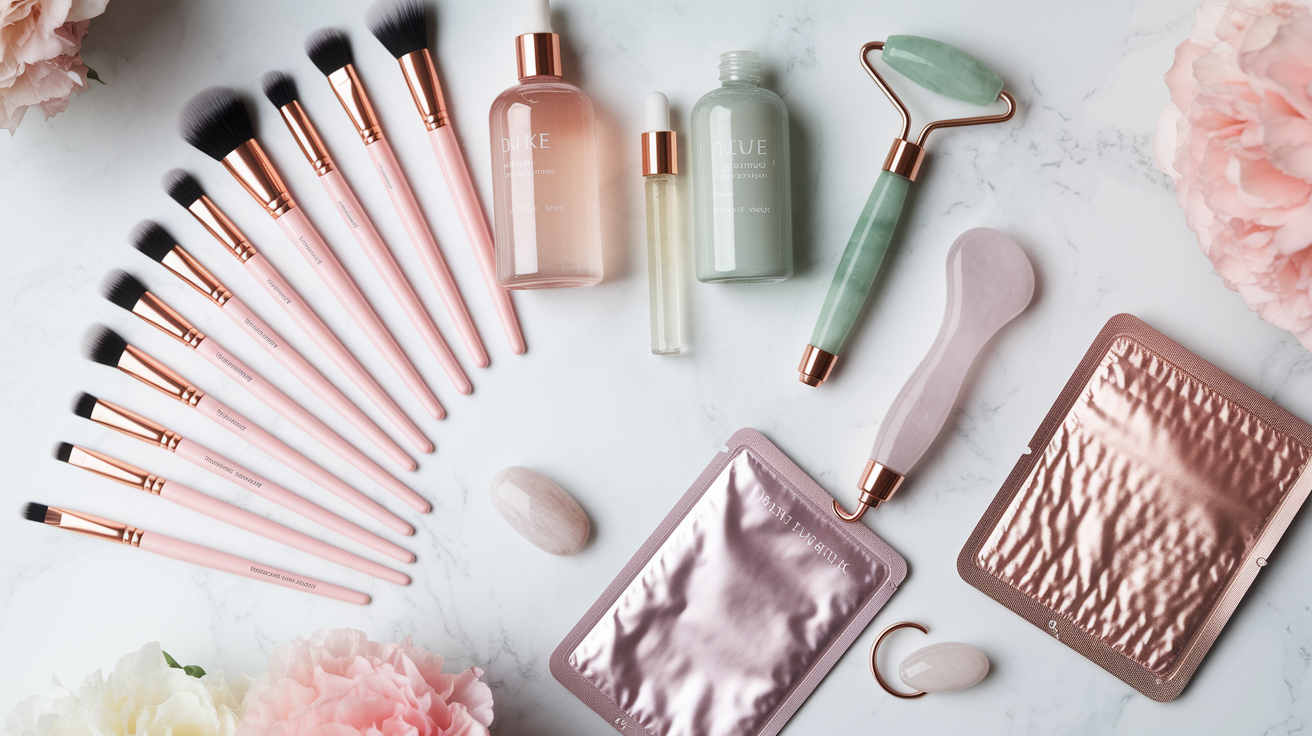
A celebrity’s glam squad runs on a parallel timeline, coordinating hair, makeup, skincare, and grooming so every detail supports the overall look. Facialists, hairstylists, makeup artists, and grooming specialists work under the stylist’s direction to create something cohesive that translates under high-definition cameras and intense lighting. Their work starts weeks before the event, with treatments timed to avoid irritation, allow healing, and build toward peak results on event day.
Skincare prep follows a progressive treatment plan starting three months out. Professionals recommend 2–3 facials during this window, with the final facial 7–10 days before the event so skin has time to settle. For celebrities dealing with acne, pigmentation, or sensitivity, dermatologists build customized plans that might include gentle chemical peels or targeted serums. At-home routines usually add vitamin C for brightening and retinol 2–3 nights per week, but only if the skin tolerates it without irritation. Body prep runs on a similar schedule, with exfoliating scrubs and body oils 2–3 times per week and optional professional back or décolletage facials in the two-month window.
Makeup artists prefer what they call a “fresh palette.” Skin that’s prepped, exfoliated, and hydrated but not overloaded with heavy products. On event day, the sequence usually goes cleanse, hydrating serum, lightweight moisturizer, avoiding oils that can break down makeup under hot lights. Artists rely on camera-tested products and professional setting sprays that lock in the look for hours of photography, movement, and temperature changes. For more detailed guidance on timing and treatments, The Ultimate Red Carpet Skin Prep Guide offers a complete breakdown of the clinical and at-home steps professionals use.
Key grooming tasks timed from one month to event day:
- One month out: Run spray-tan trial to see how the color photographs and fades. Get hair extensions to allow time for color matching, toning, and adjustments.
- One week out: Stick to established skincare without introducing new actives. Increase hydration with water, cucumber, watermelon, and greens.
- Three to five days before: Schedule waxing, threading, or dermaplaning to let redness subside. Book manicure and pedicure if hands and feet will be photographed.
- Two days before: Apply event spray tan. Tanning specialists recommend this timing to allow full color development and minor touch-ups.
- Day before: Light exfoliation with a gentle scrub or enzyme mask. Apply hydrating or sheet mask. Skip acids and retinol. Get eight hours of sleep.
Final Fittings, On‑Site Dressing, and Tailoring Adjustments for Red Carpet Moments

The technical work that makes a red carpet look flawless happens in the final fittings and on-site adjustments. Stylists coordinate with tailors and wardrobe technicians to test every structural element of the garment. How it moves when the celebrity walks, sits, or raises an arm for photos. Whether hidden fastenings stay secure. If the silhouette holds its shape under different lighting angles. High-profile prep commonly takes 3–6 fittings, with each session addressing fit, comfort, and photographic performance. Tailors engineer garments for extended wear, building in climate-adapted features, quick-change systems, and emergency-repair provisions that can deploy invisibly if something fails.
On event day, the team arrives 3–6 hours before the celebrity’s scheduled red carpet time. Wardrobe technicians set up a staging area where the garment gets steamed, inspected for loose threads or damage, and prepped for final dressing. The stylist oversees every step, checking that accessories align with the gown’s structure and that shoes are broken in enough to walk comfortably but still look pristine. In the final 30–60 minutes, the celebrity gets dressed and the team runs movement tests. Walking, turning, posing for photos to confirm everything works as planned.
Steaming, Lint Removal, and Garment Bag Transport Procedures
Professional garment care starts the moment a piece leaves the designer’s atelier. Stylists transport gowns in specialized garment bags with padding and climate control, often with a wardrobe assistant who makes sure the piece never leaves sight. On arrival, the garment hangs in a secure area and gets steamed to release any wrinkles from transport. Lint rollers, fabric brushes, and static-reduction sprays get applied methodically. Before the celebrity puts on the outfit, the team inspects every seam, clasp, and hem under bright light, checking for imperfections that cameras will magnify.
Last-minute tailoring checks before the celebrity steps onto the red carpet:
- Hem alignment: Confirm the hemline sits evenly and that train draping matches rehearsed positioning.
- Zipper and fastening security: Test all closures, snaps, and hidden hooks. Apply fashion tape or safety pins as reinforcement.
- Comfort and mobility testing: Have the celebrity walk, sit, and lift arms to make sure there’s no pinching, pulling, or restricted movement.
- Posing and angle checks: Review how the garment photographs from front, side, and three-quarter angles. Adjust if fabric bunches or structure collapses under certain poses.
Accessory Coordination and Luxury Brand Partnerships in Celebrity Styling
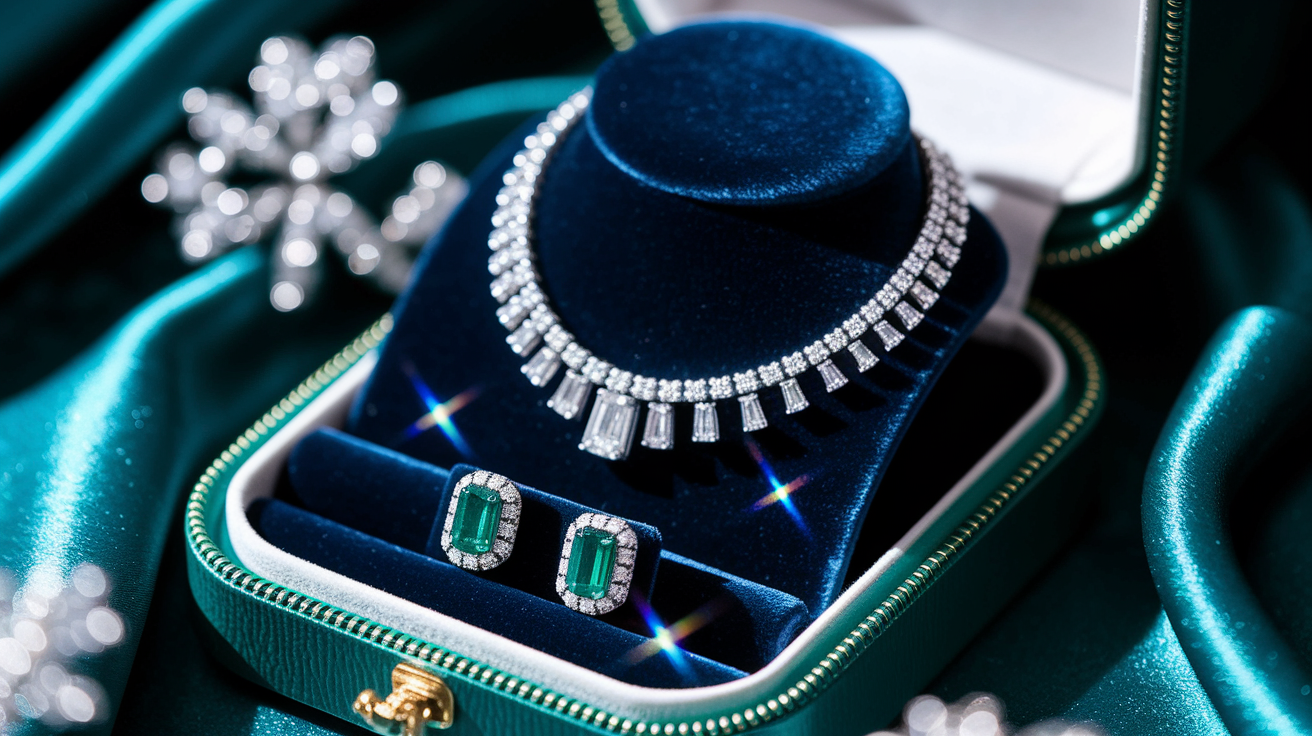
Accessories complete the red carpet narrative. Stylists approach this curation with the same strategic rigor as wardrobe selection. Borrowed jewelry from luxury brands often carries six- or seven-figure values, needing formal lending agreements, insurance policies, and on-site security. Stylists negotiate these partnerships months in advance, pitching the event’s visibility, the celebrity’s audience reach, and the alignment between the brand’s aesthetic and the planned look. Once a brand agrees to lend pieces, the stylist coordinates transport, fittings to check proper scale and comfort, and day-of security protocols that might include a brand representative traveling with the jewelry.
Accessory choices need to enhance the gown without competing for attention. A high neckline calls for statement earrings and a sculptural clutch instead of a necklace. A heavily embellished bodice pairs better with simple jewelry that lets the garment shine. Stylists also think about skin tone, undertones in the fabric, and how metallics and gemstones will reflect under camera flash. Shoes get chosen not just for aesthetic fit but for the reality of standing, walking on carpet, and navigating stairs in a structured gown.
How stylists align accessories with the overall look:
- Silhouette compatibility: Match accessory scale to gown volume. Delicate pieces for streamlined cuts, bold statements for dramatic silhouettes.
- Neckline and décolletage: Use jewelry to frame or accentuate the neckline without overwhelming the garment’s design.
- Fabric and texture harmony: Make sure metals, stones, and accessory finishes complement the gown’s material. Matte accessories with matte fabrics, reflective pieces with high-shine textiles.
- Color and undertone coordination: Select gemstone colors and metal tones that work with the gown’s palette and the celebrity’s skin tone.
- Lighting and photographic impact: Test how accessories catch light and whether they create distracting reflections or enhance the overall composition in photographs.
Emergency Kits, Backup Outfits, and Fashion Crisis Management for Red Carpet Events

Even with months of prep, red carpet events carry risks. Zippers that fail, hems that catch, makeup that smudges, last-minute weather changes or event logistics shifts. Professional stylists build contingency plans into every phase, keeping emergency kits and backup options that can solve problems in seconds. The emergency kit travels with the team on event day, stocked with tools and supplies that address the most common crises. Wardrobe technicians and assistants get trained to execute quick fixes invisibly, often while the celebrity’s mid-conversation or waiting for a photo call.
Backup outfits are standard for high-stakes events. Stylists pull a second complete look—gown, shoes, accessories, and undergarments—that can replace the primary choice if something goes wrong. This backup stays in a secure location near the venue, ready to deploy within minutes. Some stylists also prep simplified versions of the main look, like a gown that can lose a train or detachable sleeves, offering flexibility without requiring a full outfit change.
Common emergency-kit contents stylists bring to every red carpet event:
- Safety pins in multiple sizes and fashion tape for securing hems, straps, or gaping necklines.
- Stain remover wipes and a compact sewing kit with thread matched to the gown’s color.
- Spare shoes in the same style and a backup pair of hosiery or undergarments.
- Makeup touch-up supplies including powder, lipstick, and cotton swabs for quick corrections.
- Lint rollers, fabric brushes, and static spray to maintain garment appearance between photos.
- Cooling gels or ice packs for reducing swelling or soothing discomfort from tight garments or shoes.
Media Strategy, Social Coverage, and Publicity Value in Red Carpet Styling

A red carpet look exists beyond the physical event, living on through broadcast coverage, print photography, and social media for weeks or even years afterward. Stylists work with PR teams to craft the narrative around each outfit, making sure designer credits are accurate, tags deploy strategically, and the messaging aligns with the celebrity’s brand and career goals. The publicity value of a successful red carpet moment can translate into endorsement deals, magazine covers, and partnerships with fashion houses. Stylists understand their work is as much about shaping public perception and cultural conversation as it is about dressing a client.
Media strategy planning starts during the design phase. Stylists think about how a look will translate across platforms—broadcast television, high-resolution photography, and smartphone screens. Colors, textures, and silhouettes that read beautifully in person can flatten or distort under certain lighting or camera angles, so stylists test how garments photograph and make adjustments. They also coordinate with the celebrity’s social media team to plan posting schedules, behind-the-scenes content, and interactive elements like polls or Q&A sessions that extend the look’s digital lifespan.
Behind-the-Scenes Content Planning and Designer Credit Strategy
Getting-ready content has become core to red carpet publicity. Stylists choreograph behind-the-scenes moments—shots of the gown being steamed, close-ups of jewelry being fastened, candid moments during hair and makeup—that feed the celebrity’s social channels and build anticipation before the main event photos drop. These posts get timed carefully, often going live as the celebrity arrives on the carpet to maximize engagement. Designer tags, brand mentions, and credits for every member of the glam squad get planned in advance, with copy approved by PR teams to make sure it’s accurate and meets contractual obligations. This coordinated content strategy turns a single red carpet appearance into a multi-day media event, amplifying reach and reinforcing relationships with brand partners who see measurable return on their investment.
Final Words
Backstage, the team moves like clockwork. Months of planning, designer partnerships, skincare prep, and fittings all speed up into a few intense hours.
We covered the full timeline: months‑out skin and couture builds, month- and week‑of trials, day‑of tailoring, accessory coordination, emergency kits, and the social plan that turns a look into a moment.
This shows exactly how stylists prepare celebrities for red carpet events, step by step. It’s a lot, but it’s what makes those moments feel effortless and exciting.
FAQ
Q: What do celebrities do before the red carpet?
A: Before the red carpet, celebrities follow a tight routine: fittings and beauty trials, hair and makeup rehearsals, final alterations, steaming and steaming checks, accessory selection, and on-site dressing with wardrobe techs for last-minute fixes.
Q: Do celebrities pay for their red carpet outfits?
A: Celebrities sometimes pay for custom pieces, but many looks are loaned by designers through lending agreements, PR deals, or brand partnerships, with stylists negotiating insurance and credit terms on their behalf.
Q: How to prepare for a red carpet event?
A: To prepare for a red carpet event, start months ahead with stylist consultations and skin treatments, schedule fittings and spray‑tan trials, rehearse hair/makeup, pack backups, and do day‑of skincare and on-site dressing checks.
Q: How do celebrities choose their red carpet outfits?
A: Celebrities pick red carpet outfits by working with stylists to match event tone, designer relationships, body shape, camera needs, and the message they want to send, often testing movement, lighting, and comfort in fittings.