

What if every like, comment, and screenshot decides a celebrity breakup?
Social media has turned private romances into public events that blow up in minutes.
Celebrities can control the story by posting first, but fans, trolls, and algorithms pile on, leak moments, and turn small signs into headline drama.
This piece shows how nonstop public scrutiny reshapes how couples meet, fight, and even monetize their love—forcing them to balance privacy, image, and income under a constant spotlight.
Core Ways Social Platforms Shape Celebrity Romance Today

Social media’s rewritten how celebrity relationships play out in public. Four big shifts now affect every stage, from first sighting to breakup.
There’s intensified scrutiny that turns casual outings into viral headlines in minutes. Fans get involved directly through comment threads, theories, detective work on posts and interactions. Celebrities also gain control over their own narratives, skipping traditional tabloids to announce engagements or splits on their own schedule. And relationships have become assets you can monetize through sponsored content, ad campaigns, and public appearances that blur genuine intimacy with strategic content creation.
These four forces operate at once, often pulling couples in different directions as they figure out visibility, privacy, and what their personal lives are worth commercially.
Public Scrutiny and Negative Pressures on Celebrity Relationships

Every Instagram story, red carpet moment, or cryptic tweet triggers instant speculation that spreads in real time. Algorithms surface emotionally charged content, so it moves fast.
Fans and gossip accounts pick apart body language in paparazzi shots, analyze who liked whose post, build timelines from breadcrumbs across different apps. Minor interactions become viral theories that stick around for months or years. This creates what researchers call “ambient surveillance.” Couples feel watched constantly, even during private moments. One unlocked comment section or fan screenshot can generate days of headlines.
The emotional toll is real. Anna Faris publicly said she felt “incredibly insecure” during press cycles when tabloid rumors about her then-husband circulated online. Harry Styles’ bandmate Louis Tomlinson said in 2017 that obsessive fan scrutiny “created this atmosphere… it took away the vibe… it made everything… unapproachable.” It fundamentally changed how he and Styles interacted in public.
The pressure shows up in hostile forms beyond simple gossip. Trolling targets partners deemed “unworthy” of a beloved celebrity. Comment sections fill with appearance critiques, accusations of gold digging, demands that the celebrity date someone else. Boundary violations escalate when fans track flight data, leak private photos, show up at personal addresses to “confirm” relationship status. They treat real lives like interactive fiction they’re entitled to solve.
Leaked information spreads instantly. A private DM, an overheard conversation at a restaurant, a deleted Instagram post captured by screenshot accounts creates permanent public records of moments meant to stay private. Shipping culture can turn toxic when real relationships contradict fan fantasies, leading to harassment campaigns against actual partners. Lady Gaga finally told persistent hecklers to “f**k off” after months of intrusive questions trying to link her romantically to a costar.
Here’s how it works:
Trolling and coordinated harassment campaigns target new partners with appearance insults, accusations of using the celebrity for fame, direct threats that force some to lock accounts or leave platforms entirely.
Boundary violations through digital stalking include tracking geolocation tags, reverse image searching backgrounds in photos to identify private locations, compiling dossiers on family members and exes.
Leaked private information spreads through gossip apps and forums. Screenshots of text exchanges, private flight manifests, off-the-record quotes get shared as “evidence” in relationship timelines.
Shipping-driven hostility emerges when fan-preferred pairings don’t happen. Communities attack real partners as obstacles or dismiss genuine relationships as PR stunts to protect their preferred narrative.
How Social Media Gives Celebrity Couples Narrative Control

Platforms let couples bypass traditional media gatekeepers entirely. They choose exactly when and how to confirm or deny relationships through carefully timed posts that reach millions instantly.
A “soft launch” might involve a strategic hand in the corner of a vacation photo or a comment left on a partner’s post. Fans speculate while the couple maintains plausible deniability. Weeks or months later comes a “hard launch” with clear photos and tags that make the relationship official on their own timeline.
This control extends to major milestones. Engagement announcements with personally shot ring photos. Coordinated breakup statements posted simultaneously across platforms (Anna Faris and Chris Pratt both shared identical text messages on their respective feeds). Direct responses to rumors that might otherwise spiral for weeks in tabloid coverage.
It’s a fundamental power shift. Celebrities don’t need to grant exclusive interviews or arrange magazine photo shoots to tell their relationship story anymore.
The rise of curated couple branding has turned some relationships into full content franchises. Regular date night posts, partner tags in sponsored content, shared highlight reels present an ongoing narrative arc. Influencer couples like Hannah and Alia, who run the Hers and Hers account, treat their relationship as a “team sport.” They coordinate posts, negotiate joint brand deals, share relationship milestones alongside product placements in a seamless blend of intimacy and commerce.
These accounts don’t just document relationships. They construct aspirational narratives with consistent aesthetic choices, emotional beats, cliffhangers (a proposal teaser, a move-in vlog, a “we need to talk” thumbnail) designed to maximize engagement and follower investment over time.
The benefits are tangible for those who master the format. Controlling tone means shaping how breakups are framed (amicable, mutual, still respectful) before tabloids can impose a villain narrative or leak “insider sources” with conflicting stories. Managing misinformation becomes simpler when celebrities can post direct corrections or clarifications to their millions of followers, undermining gossip site speculation with a single verified statement. Leveraging platform reach maintains fan trust by appearing transparent and accessible. It rewards loyal followers with “insider” glimpses that feel personal even when they’re carefully staged, turning audience investment into a renewable resource that sustains attention through multiple relationship cycles and career phases.
Brand Partnerships, Monetization, and the Business of Celebrity Romance

Celebrity relationships have become profitable business ventures. Couples leverage their combined star power to secure brand deals, launch joint product lines, create content franchises that monetize every stage of their romance.
Influencer couples pioneered this at scale. Hannah and Alia fold sponsored content seamlessly into their relationship narrative, tagging brands during date night posts, sharing “relationship wisdom” in partnership with therapy apps, promoting products through couple focused storytelling that feels organic to followers who’ve invested in their love story.
The commercial appetite is proven. Accounts like How They Asked, which curates proposal stories, have grown past 500,000 followers. Audiences will engage with romantic content at scale, creating opportunities for affiliated brands to reach highly engaged, emotionally primed viewers. This visibility translates directly into income. A single sponsored post featuring both partners commands higher rates than solo content. Long-term partnership deals reward couples who maintain consistent posting schedules and on-brand personas.
Traditional celebrity couples have adopted similar strategies, moving beyond paparazzi photos into actively produced joint content. Some star in coordinated advertising campaigns. One high-profile couple made their commercial debut in a Google Duo ad, turning their real relationship into a selling point for video calling software. Others negotiate network specials, branded wedding coverage, or documentary series that monetize major milestones.
The Kardashian family pioneered this early. They used relationships strategically to expand media footprints, cross-promote projects, generate storylines that sustained reality TV franchises across multiple seasons. They proved romantic narratives could anchor entire entertainment empires when managed as business assets rather than private affairs.
| Format | Description |
|---|---|
| Sponsored posts | Couples integrate product placements into relationship content. Date nights featuring meal kits, travel posts tagging hotel brands, gift exchanges showcasing jewelry or tech, typically disclosed with #ad or “Sponsored” tags. |
| Joint ad campaigns | Brands hire celebrity couples to co-star in commercials, print ads, and digital spots, leveraging their real chemistry and combined fan bases to sell products ranging from tech devices to luxury goods. |
| Branded specials | Networks and streaming platforms commission wedding specials, relationship documentaries, or reality series that give sponsors integrated visibility while monetizing fans’ desire for “exclusive” behind the scenes access. |
The challenge is distinguishing genuine intimacy from PR-driven narratives without dismissing all visible relationships as calculated. Many couples share real moments and also pursue commercial opportunities. The two aren’t mutually exclusive.
But audiences increasingly approach celebrity romance with skepticism. Is a relationship organic or engineered for engagement metrics? Was a breakup timed to coincide with a project launch? Are reconciliation posts designed to boost flagging follower counts?
This skepticism shapes how content gets received. Fans are now fluent in reading disclosure language, analyzing post timing, debating authenticity in comment threads. Even straightforward relationship updates become puzzles that require decoding.
Psychological and Emotional Dynamics Behind Social-Media-Driven Relationship Challenges

The constant connectivity of modern platforms creates pressure that extends way beyond public appearances. It infiltrates private moments with persistent awareness that anything shared, said, or done might become public content.
Therapists working with high-profile clients report that parasocial pressure (the weight of millions of strangers feeling entitled to weigh in on relationship decisions) can trigger anxiety, second guessing, conflict between partners who disagree on how much to share or how to respond to rumors.
Comparison culture intensifies this. Celebrities watch other couples curate perfect highlight reels and feel pressure to match that aesthetic. Simultaneously they know their own behind the scenes reality includes the same mundane frustrations and disagreements as any relationship. This creates cognitive dissonance between the performed version and the lived experience.
The filtered reality of social media makes it nearly impossible to present authenticity without inviting criticism. Too polished reads as fake. Too raw invites concern trolling. Any gap between posts triggers speculation about trouble. Couples get trapped in a no-win cycle of managing perceptions.
Real consequences appear in celebrity testimony. Anna Faris described feeling “incredibly insecure” during press cycles when social media amplified rumors questioned her relationship. Louis Tomlinson noted that fan scrutiny made everyday interactions with Harry Styles feel “unapproachable,” fundamentally altering how they related to each other in public and private.
The mental health impact compounds over time. Some couples report decision fatigue from constantly weighing whether a dinner photo or vacation story will generate unwanted attention. Others experience trust issues when a partner’s liked posts or follows become grounds for public interrogation and tabloid headlines.
How Social Media Intensifies Emotional Strain
Platform design actively worsens relationship stress in ways that aren’t immediately obvious to casual users.
Constant connectivity means couples are never truly off duty. DMs from fans asking invasive questions, tagged posts from gossip accounts, comment section speculation arrive at all hours. It’s impossible to fully disconnect even during private time together.
DM culture enables strangers to send unsolicited opinions, relationship advice, warnings about a partner’s alleged behavior, or outright hostility directly to celebrities’ inboxes. This creates a stream of noise that can seed doubt or anxiety.
Jealousy triggers are algorithmically amplified when a partner’s interactions with others (a liked photo, a friendly comment, a professional collaboration) get screenshotted, analyzed, discussed across fan forums. Normal social behavior turns into evidence for conspiracy theories.
Fan suspicion operates on hair trigger sensitivity. Any deviation from expected posting patterns or public appearances gets interpreted as a sign of trouble. This forces couples to perform consistency even when they’d prefer privacy.
Comparison to other public couples is constant and explicit. Fans and media rank relationships, debate who is “better,” use one couple’s milestones to pressure others into similar displays.
The key psychological stressors that emerge from this environment:
Comparison and social benchmarking where couples measure their private reality against others’ curated public personas, creating unrealistic standards and dissatisfaction with normal relationship rhythms.
Ambient surveillance and hypervigilance that makes partners feel watched at all times, leading to self censorship, second guessing spontaneous behavior, performing ease even during stressful periods.
Algorithmic amplification of conflict that rewards emotionally charged content. Posts hinting at trouble get more engagement than happy updates, incentivizing drama and punishing stability.
External validation pressure where relationship satisfaction becomes tied to follower reactions, likes, and positive comments rather than internal measures of connection and compatibility.
Boundary erosion and decision fatigue from constantly negotiating what to share, how to respond to rumors, when to address speculation. Relationship management becomes a second job.
The Role of Fans, Comment Sections, and Parasocial Engagement

Fans operate as unpaid investigators and narrative collaborators, combing through posts, stories, likes, follows to construct detailed relationship timelines that often include evidence celebrities never intended to make public.
Comment section evidence gathering turns every photo into a puzzle. Followers zoom in on reflections in sunglasses to identify locations, cross reference backgrounds with other accounts’ posts to confirm couples were together on specific dates, track changes in Instagram bios or follow lists as proof of relationship status shifts.
Timeline analysis becomes a collective project. Dedicated accounts compile months or years of breadcrumbs into infographics, Reddit threads, TikTok explainers that present relationship “proof” in formats more detailed than most celebrity profiles.
Screenshot culture ensures nothing disappears. A deleted comment, a briefly visible story, a liked post later unliked, all get preserved and circulated as artifacts that fans use to debate intentions, confirm theories, call out perceived deception.
This participatory dynamic reflects parasocial expectations. Fans feel personally invested after following a celebrity for years. They believe that investment grants them insight, influence, or even a say in relationship decisions.
The entitlement shows up in comment threads where strangers offer unsolicited advice (“he’s not good enough for you”), issue warnings based on guesswork (“she’s using you for followers”), express disappointment when real life choices don’t match their preferences (“I liked you better with your ex”).
Because platforms reward engagement, these comments often rise to the top of feeds. They become the most visible reactions celebrities see and shape how they perceive public sentiment even when the vocal minority doesn’t represent the majority view.
Three specific fan behaviors shape relationship narratives most powerfully:
Shipping and romantic projection where fans decide two people “should” be together (sometimes based on real chemistry, sometimes on wishful thinking) and then reject actual relationships as obstacles or publicity stunts if they contradict the preferred pairing.
Detective style analysis and coordinated research that involves tracking flight data, identifying jewelry in photos, matching clothing items across posts, building evidence chains that “prove” relationships before any official confirmation.
Viral rumor circulation and amplification networks where a single speculative tweet, TikTok, or gossip site blind item spreads across platforms in hours, reaching millions and hardening into “common knowledge” even when it’s based on misinterpretation or fabricated sources.
Case Studies Showing How Celebrity Relationships Shift Under Social Media
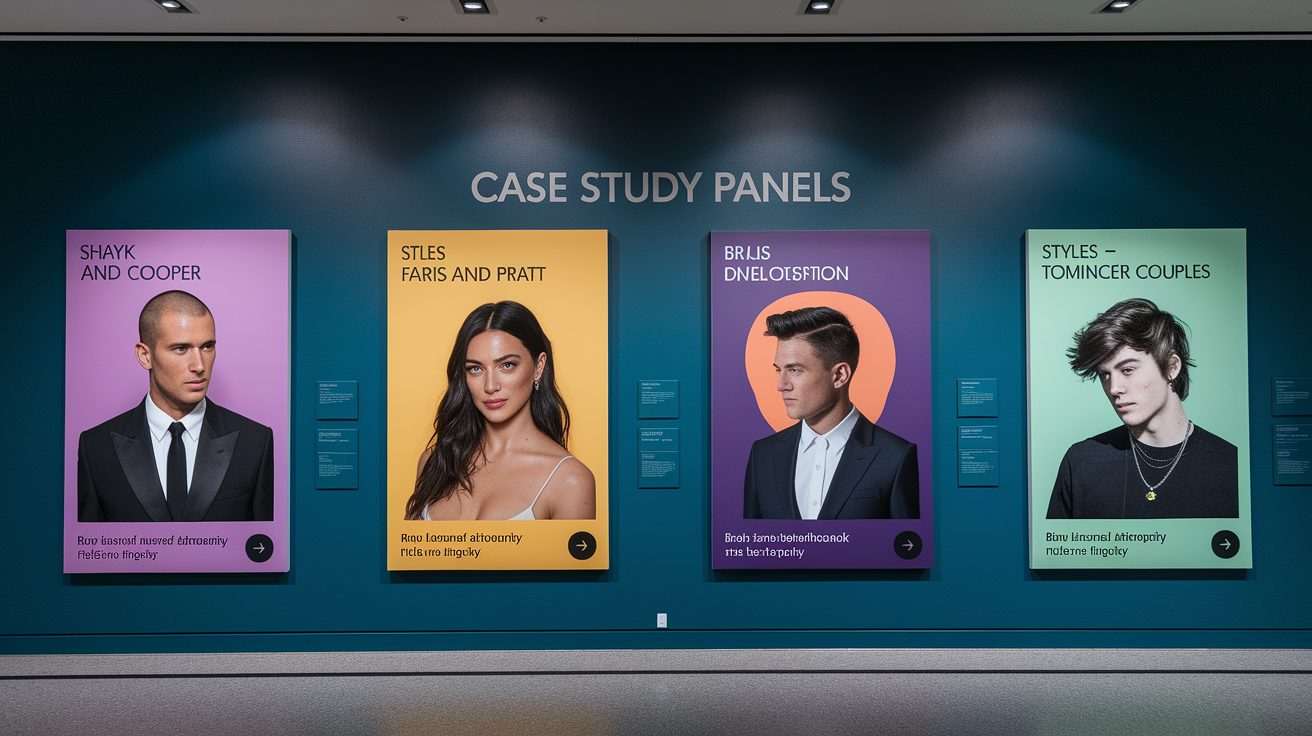
Concrete examples reveal how platform dynamics play out across different relationship types, timelines, visibility levels. These patterns repeat even when the celebrities involved have different levels of fame, different audiences, different approaches to public sharing.
These cases span traditional celebrity couples navigating tabloid meets Instagram scrutiny, fan driven speculation that persisted despite public denials, coordinated digital communication strategies for breakups, influencer partnerships designed as joint content businesses from day one.
Shayk & Cooper: Rumor-Driven Pressure
Irina Shayk and Bradley Cooper’s four year relationship became a case study in how social media amplified speculation can persist regardless of evidence or official statements.
Press coverage and fan theories focused relentlessly on Cooper’s professional chemistry with a costar during a major film’s promotion cycle. This generated nearly a year’s worth of rumors that questioned the couple’s stability even as they remained together and co-parenting.
Every red carpet appearance where Shayk attended solo, every interview where Cooper discussed on-screen partnership, every gap in joint Instagram posts became fodder for breakup predictions and tabloid headlines.
The sustained attention created a narrative feedback loop. Gossip sites published speculation, fans discussed it in comment sections, that discussion generated more articles, and the cycle repeated until the rumor itself became the story, independent of the couple’s actual private dynamic.
By the time they did eventually separate, the public narrative had been so thoroughly shaped by months of premature breakup coverage that the real announcement felt like confirmation of something audiences already “knew,” even though the relationship had lasted years beyond initial predictions.
Faris & Pratt: Announcing Breakups Online
When Anna Faris and Chris Pratt decided to divorce, they opted for a coordinated social media announcement that bypassed traditional publicist statements and tabloid exclusives entirely.
Faris posted a screenshot of a text message to her Instagram feed. Pratt simultaneously shared the identical message on his Facebook account. This ensured their narrative reached fans directly and in their own words before any outside commentary could shape the story.
The strategy allowed them to frame the split as mutual and amicable, express continued respect, ask for privacy. All delivered as a unified message that undercut tabloid attempts to assign blame or leak “insider sources” with conflicting versions.
The approach reflected a broader shift in how celebrity breakups get managed. Instead of responding to leaked information or letting media control the timing, couples now often announce first. They control not just the content but the tone and framing of the conversation from the start, turning followers into the first audience rather than the tabloid reading public.
Styles & Tomlinson: Fan Theories Creating Strain
Harry Styles and Louis Tomlinson’s experience illustrates how fan driven shipping culture can impose real costs on actual relationships, platonic or otherwise.
Obsessive fan speculation about their personal lives (rooted in intense analysis of body language, interviews, social interactions) created what Tomlinson described in 2017 as an atmosphere that “took away the vibe” and made ordinary interactions feel “unapproachable” because everything was interpreted through the lens of fan theories.
The scrutiny wasn’t limited to online comments. It spilled into real world encounters, interviews where they were repeatedly asked invasive questions, constant monitoring of how they interacted in public. This ultimately affected their comfort with each other and their willingness to engage naturally in visible settings.
The case demonstrates a pattern seen across fandoms. When audiences become emotionally overinvested in a preferred narrative, the pressure to perform or deny that narrative can damage the real relationship (whether romantic or friendly) by turning spontaneous human connection into a performance subject to constant interpretation and judgment.
Influencer Couples as Case Studies
Influencer couples like Hannah and Alia, who run the Hers and Hers account, represent a newer model where the relationship itself is designed as content infrastructure from the start.
Their approach treats romance as a collaborative branding project. They share curated date nights, relationship advice, personal milestones alongside sponsored posts for travel brands, meal services, lifestyle products. It creates a seamless feed where intimacy and commerce are fully integrated.
This strategy works because their audience expects it. Followers sign up to watch a relationship unfold as content, understanding that monetization is part of the deal. Many support it as a way to sustain the creators they enjoy.
The business side is explicit. They coordinate posting schedules, negotiate joint brand partnerships that pay more than individual deals, plan content arcs around relationship milestones (moving in together, adopting a pet, major trips) that deliver both emotional payoff for followers and opportunities for affiliated sponsorships.
The model succeeds when it maintains a balance between genuine vulnerability and strategic curation. It offers enough real moments to sustain emotional investment while structuring those moments to maximize engagement and revenue.
Strategies Celebrities Use to Maintain Healthy Boundaries Online

High-profile couples increasingly rely on intentional boundary setting tools to carve out private space within public platforms. They recognize that unfiltered access invites unsustainable scrutiny.
Verified only communication (limiting posts to official accounts and ignoring unverified gossip) allows celebrities to control their narrative without responding to every rumor. False stories die from lack of engagement rather than fueling them with denials.
Privacy tools like disabling comments on personal posts, restricting DMs to people they follow, using close friends only Instagram stories let couples share selectively without opening every moment to mass commentary and speculation.
Public relations coordination means planning announcements with professional guidance, timing posts to minimize misinterpretation, sometimes employing social media managers to filter noise so the couple doesn’t see every hostile comment or invasive question.
Reducing the sharing of major milestones (keeping engagement details, wedding planning, or early relationship stages entirely offline) creates a buffer zone where the relationship can develop without constant external input. It delays public visibility until the couple feels secure enough to handle scrutiny.
These strategies acknowledge the reality that algorithmic engagement favors emotional and relationship content. This makes boundary setting difficult because platforms are designed to reward the very sharing that invites problems.
Analysts note that posts hinting at relationship drama, major milestones, or conflict generate significantly higher engagement than neutral updates. This creates financial and visibility incentives for celebrities and influencers to share intimate details even when it might harm their mental health or relationship stability.
The most effective boundaries aren’t about perfect privacy (nearly impossible for public figures) but about strategic transparency. Choosing what to share, when, and in what context so that visibility serves the couple’s goals rather than simply feeding algorithmic demand.
Practical boundary tactics include:
Verify only communication where major announcements come exclusively through official, verified accounts with clear statements, ignoring gossip site claims and fan theories rather than engaging or correcting every piece of speculation.
Disabling comments or heavy moderation on posts that feature a partner or relationship milestone, removing the invitation for strangers to offer opinions, critique appearances, or speculate publicly.
Coordinated PR releases and timing that involve professional guidance on when and how to share news, ensuring both partners present a unified message and reducing the risk of mismatched statements that fuel rumors.
Reduced sharing of milestones and private moments by keeping significant events (early dating, engagements, family plans) off platforms entirely until the couple is ready to handle the attention, building a foundation without external pressure.
Final Words
We ran through the core ways social platforms shape celebrity romance, intensified scrutiny, fan involvement, narrative control, and monetization.
We covered public pressure and emotional strain, how couples manage announcements and branding, the business of love, fan-driven rumor cycles, and case studies like Shayk/Cooper, Faris/Pratt, Styles/Tomlinson, and influencer pairs.
Overall, this shows how social media affects celebrity relationships: it raises the stakes but also gives tools for control. With clearer boundaries and smarter PR, private life can be protected and connections kept. There’s a hopeful path forward.
FAQ
Q: How does social media affect celebrities?
A: The way social media affects celebrities is increased public scrutiny, faster rumor spread, and new ways to control image and monetize content, which boosts exposure but raises privacy and relationship pressure.
Q: What is the 70/30 rule in a relationship?
A: The 70/30 rule in a relationship is a simple guideline suggesting partners accept uneven effort or responsibilities, roughly 70%/30% at times, with balance shifting over time and communication keeping it fair.
Q: Why do celebrities struggle with relationships?
A: Celebrities struggle with relationships because constant public scrutiny, fan speculation, privacy loss, and heavy career demands add stress, insecurity, and communication strain, making trust and normal routines harder to sustain.
Q: Who is Gen Z’s favorite celebrity?
A: Gen Z’s favorite celebrity changes often; top picks usually include viral TikTok creators and young pop stars like Zendaya, Billie Eilish, Olivia Rodrigo, or rising influencers depending on trends and platforms.