

Think celebrities go to private islands just for the view? Think again.
They go to disappear, to control who arrives, who can see them, and how their time is shared.
An island gives total privacy, tight security, and the freedom to wake, work, party, or rest on your own schedule.
It’s also a loud status move: booking the whole place says more than a suite ever could.
This post breaks down why stars choose islands, the design and tech that protect them, and what a truly private escape actually costs.
Core Reasons Celebrities Prefer Private-Island Retreats
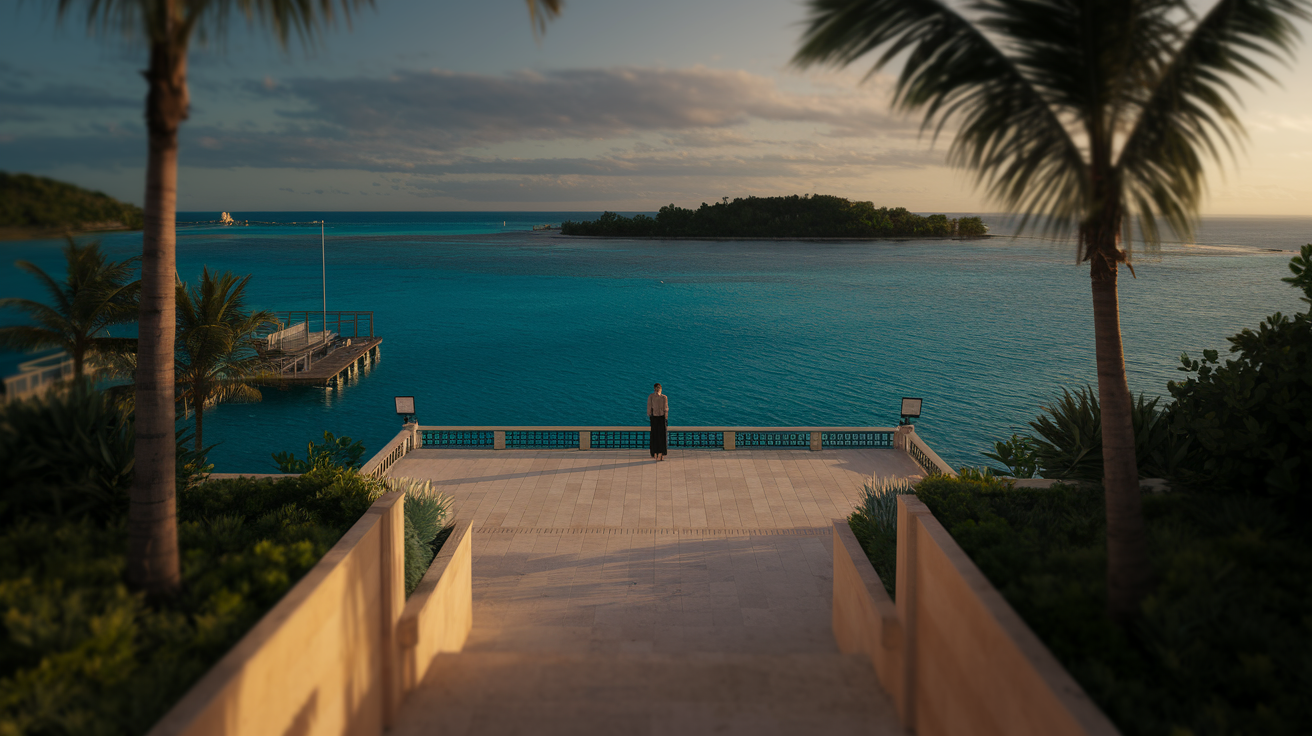
Privacy sits at the top. When you’re dealing with paparazzi, fans who track your every move, and tabloids ready to publish anything, an island tens or hundreds of miles offshore solves the problem without needing bodyguards at every corner. One helipad, one dock. That’s it. You control who lands, who arrives by boat, who even gets close. Geographic isolation plus full ownership creates a bubble where your guest list stays tight and leaks don’t happen.
But it’s not just about dodging cameras. Private islands offer freedom you can’t get at any luxury resort. No shared lobbies. No strangers wandering past while you’re poolside. No midnight fire drills that flush everyone into public hallways. You wake up when you want, schedule meals how you want, throw an album-release party or film a private shoot without negotiating resort rules or worrying about someone recording snippets on their phone. When your public life is already scripted down to the minute, the ability to set your own curfews, control noise, and design every detail matters.
Why celebrities pick private islands:
- Privacy – Total seclusion from paparazzi, fans, uninvited media.
- Security – Easier perimeter control, fewer entry points, dedicated teams.
- Exclusivity – No shared amenities. The entire island belongs to you.
- Event freedom – Private weddings, creative retreats, parties. No permits, no noise complaints.
- Status signaling – Island ownership or booking is a visible luxury benchmark.
- Personalized service – 1:1 staff ratios, custom menus, experiences impossible at resorts.
Rental costs start around $5,000 per night and climb past $200,000 depending on location, size, and season. Guest capacity varies. Some islands handle two people. Others host 40 or more. Richard Branson’s Necker Island, David Copperfield’s Musha Cay, Leonardo DiCaprio’s Blackadore Caye…these properties blend extreme privacy with world-class service and have hosted everyone from tech billionaires to chart-topping musicians.
Physical Design Features That Enhance On-Island Privacy

Landscape architects use dense plantings, elevated terrain, and natural rock formations to block sightlines from water and sky. Tall palms, native scrub, terraced gardens. They hide villa rooflines from passing boats. Boulders and dune grasses screen beach loungers from distant vantage points. Villa placement follows topography, too. Homes nestle into hillsides or tuck behind ridges so even drone overflights catch little more than treetops. Strategic landscaping turns geography into architecture, layering greenery to absorb sound and obscure movement without obvious walls or fences.
Arrival zones get the same treatment. Helipads often sit inland behind tree cover or within sunken landing circles that keep rotors and passengers out of view during touchdown. Docks extend into sheltered coves where yacht berths hide behind breakwaters, limestone bluffs, or purpose-built canopies that prevent telephoto shots from neighboring islands. Guests walk covered gangways into receiving areas that feel more like private foyers than public terminals. Entry paths wind through foliage tunnels or shaded colonnades, so the transition from transport to villa happens without a single exposed crossing.
Five design methods for privacy:
- Foliage planning – Multi-tier plantings (ground cover, mid-height shrubs, tall palms) create layered visual screens.
- Protected beaches – Coves framed by rock outcrops or artificial breakwaters that limit open-water views.
- Concealed arrival zones – Sunken helipads, covered docks, shielded gangways that hide transport activity.
- Privacy-first villa placement – Structures set into hillsides, behind ridges, within natural depressions.
- Noise-buffer landscaping – Dense vegetation that absorbs generator hum, helicopter rotor wash, party sound.
Security Infrastructure on Celebrity Private Islands
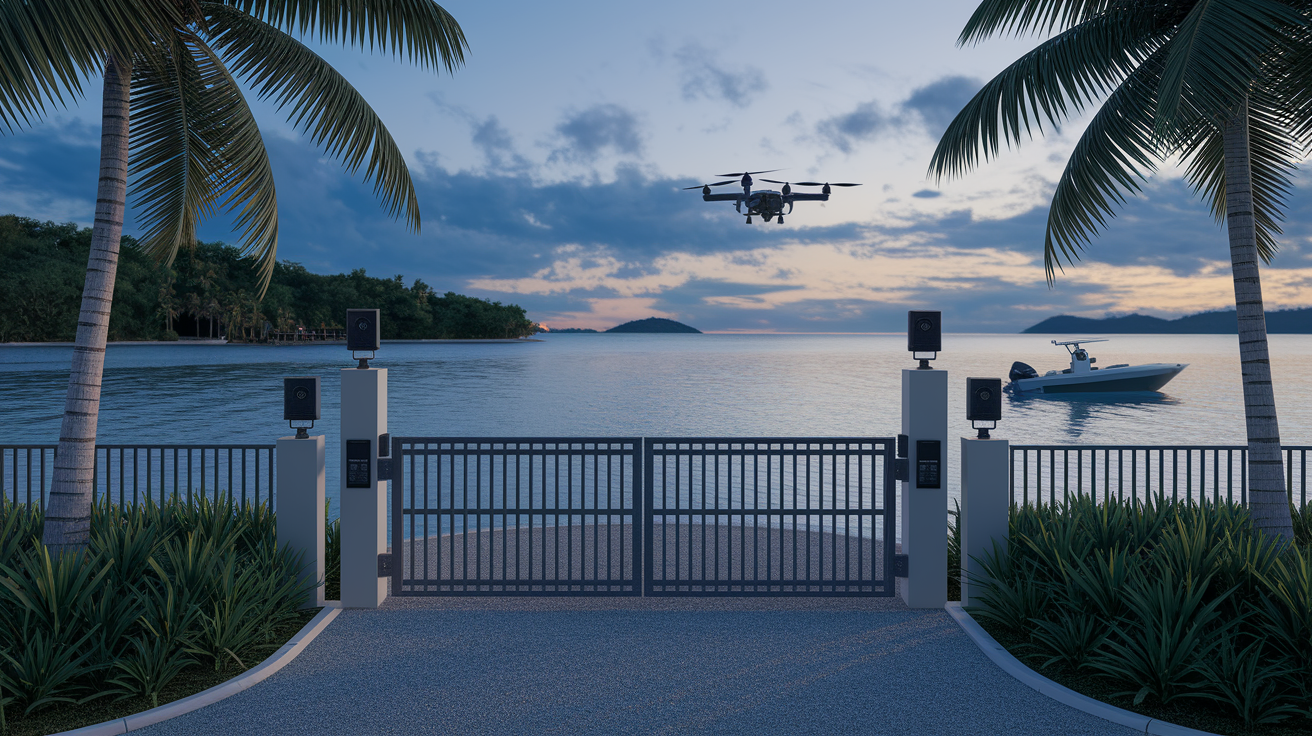
Security staffing for A-list island stays runs anywhere from 5 to 30 personnel, depending on guest count, threat assessment, and event type. Teams include perimeter patrols, entry-point screeners, marine lookouts, and a central monitoring coordinator who tracks all movement via live feeds. Geography simplifies the job because islands have defined edges. Every boat approach, helicopter descent, kayak paddle becomes a controlled event rather than a surprise. Advance teams arrive days early to sweep structures, test communications, establish protocols with local authorities who may assist with offshore monitoring or emergency response.
Surveillance technology layers cameras across docks, beaches, pathways, villa perimeters, feeding into a dedicated control room staffed around the clock. Marine radar tracks approaching vessels miles out, flagging anything that veers toward restricted zones. Biometric gate systems at helipad fences and dock checkpoints verify staff and approved guests through fingerprint or facial recognition, creating an audit trail of every entry. Some ultra-high-security islands deploy drone countermeasure systems…radio-frequency jammers or net-capture drones that intercept unauthorized aerial devices before they can record video or drop payloads. Remote monitoring allows off-island security directors to observe feeds in real time and coordinate with on-site teams through encrypted radio channels.
Emergency protocols cover medical evacuations, severe weather, security breaches. Islands maintain standby contracts with helicopter medevac services that can reach most Caribbean or Pacific locations within 30 to 90 minutes. Storm plans include hardened safe rooms, backup generators, satellite communication links that survive grid failures, and pre-positioned supplies of water, fuel, medical kits. Security drills rehearse lockdown sequences, guest-extraction routes, coordination with coast guard or local police. Staff receive annual training in first aid, fire suppression, crisis communication so any incident (medical emergency, unexpected arrival, equipment failure) follows a documented playbook rather than improvised decisions.
Luxury Amenities That Set Celebrity Private Islands Apart

Concierge teams on private islands operate more like personal assistants than hotel staff. They manage everything from chartering seaplanes and coordinating surprise birthday deliveries to arranging midnight beach dinners with menus designed around dietary restrictions discovered in a casual conversation. Private chefs often hold Michelin-level credentials and work with advance guest questionnaires to craft daily menus that reflect preferences, allergies, even childhood favorites. Wellness services go beyond standard spa offerings. Islands employ massage therapists, yoga instructors, Pilates coaches, nutritionists, occasionally on-call physicians or mental-health counselors who provide discreet, personalized programs in absolute confidence.
Seven signature amenities found on celebrity private islands:
- Helipad with covered arrival lounge – Climate-controlled waiting areas for easy transfers.
- Spa villas with ocean-view treatment rooms – Private pavilions for massage, hydrotherapy, aesthetic treatments.
- Private marinas and yacht berths – Docks equipped for superyachts, with fueling, provisioning, concierge berthing services.
- Event stages and open-air pavilions – Spaces designed for live performances, private film screenings, product launches.
- Water-sports fleets – Jet skis (where permitted), paddleboards, diving gear, snorkel equipment, sport-fishing boats.
- Curated wine cellars and tasting rooms – Climate-controlled collections with sommeliers available for pairings.
- On-island entertainment systems – Private cinemas, recording studios, rehearsal stages for creative work.
Wellness trends blend sustainability with luxury now. Islands feature solar-heated infinity pools, organic garden-to-table produce grown on-site, architecture that maximizes natural ventilation to reduce air-conditioning loads. High-end villas incorporate outdoor showers framed by tropical landscaping, meditation decks cantilevered over cliffs, sleep-optimization suites with circadian lighting and white-noise systems. Staff-to-guest ratios can hit 1:1 or better during peak service periods, meaning every guest has dedicated support for activities, meals, logistics without ever waiting or repeating a request.
Costs of Renting or Owning Celebrity Private Islands
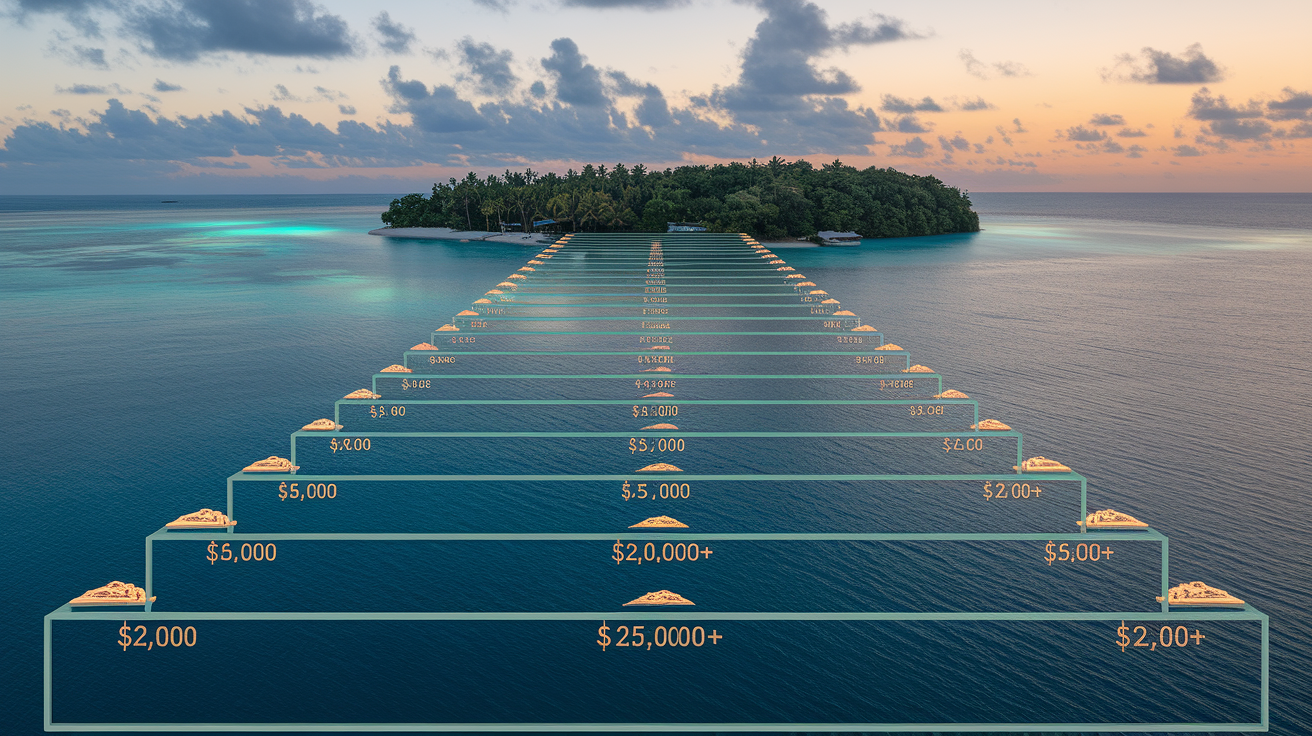
Rental rates depend on location, size, staff complement, season. Entry-level exclusive hires in less-trafficked regions start around $5,000 per night for small islands with modest villas and limited staff. Mid-tier luxury islands in the Caribbean or South Pacific commonly charge $25,000 to $75,000 per night and include full concierge, chef services, water sports, security. Ultra-premium properties (especially those owned by celebrities or featuring iconic architecture) can command $150,000 to $200,000+ per night. Weekly totals for top-tier islands frequently exceed $500,000 and occasionally break $1 million once add-ons like helicopter shuttles, event production, extended security details are included.
Ownership pricing spans an even wider spectrum. Undeveloped islets in remote areas might list for $500,000 to $1 million, offering raw land with no utilities or structures. Modest developed islands with a single villa, solar power, basic docks typically trade in the $1 million to $10 million range. Well-appointed private islands in desirable locations (those with multiple villas, professional kitchens, helipads, staff housing, established rental track records) commonly sell for $10 million to $50 million. Marquee properties with storied histories, celebrity provenance, or exceptional locations can exceed $100 million. Operating costs run 5% to 20% of purchase price per year, covering full-time staff salaries, utilities (often diesel generators or solar arrays paired with battery banks), desalination systems, insurance, maintenance, supply logistics.
Financial structuring often involves offshore entities to handle taxes, limit liability, simplify cross-border ownership. Celebrities and their advisors frequently establish companies in jurisdictions with favorable asset-protection rules and no capital-gains taxes on real-estate sales. These structures also make fractional ownership or rental-income reporting easier. Long-term investment potential varies. Private islands are illiquid compared to urban real estate, with longer sales cycles and a narrow buyer pool, but scarcity and rising demand for exclusive retreats have supported steady appreciation in prime markets over the past two decades.
| Cost Type | Typical Range | Notes |
|---|---|---|
| Nightly rental (entry-tier) | $5,000 – $25,000 | Small islands, basic staff, limited amenities |
| Nightly rental (luxury) | $25,000 – $75,000 | Full concierge, chef, water sports, security included |
| Nightly rental (ultra-premium) | $150,000 – $200,000+ | Celebrity-owned or iconic properties, 1:1 staff ratios |
| Purchase price (developed) | $1M – $50M+ | Depends on location, infrastructure, villa count |
| Annual operating costs | 5% – 20% of purchase price | Staff, utilities, maintenance, insurance, supplies |
Private Islands vs. Luxury Resorts: What Celebrities Actually Gain
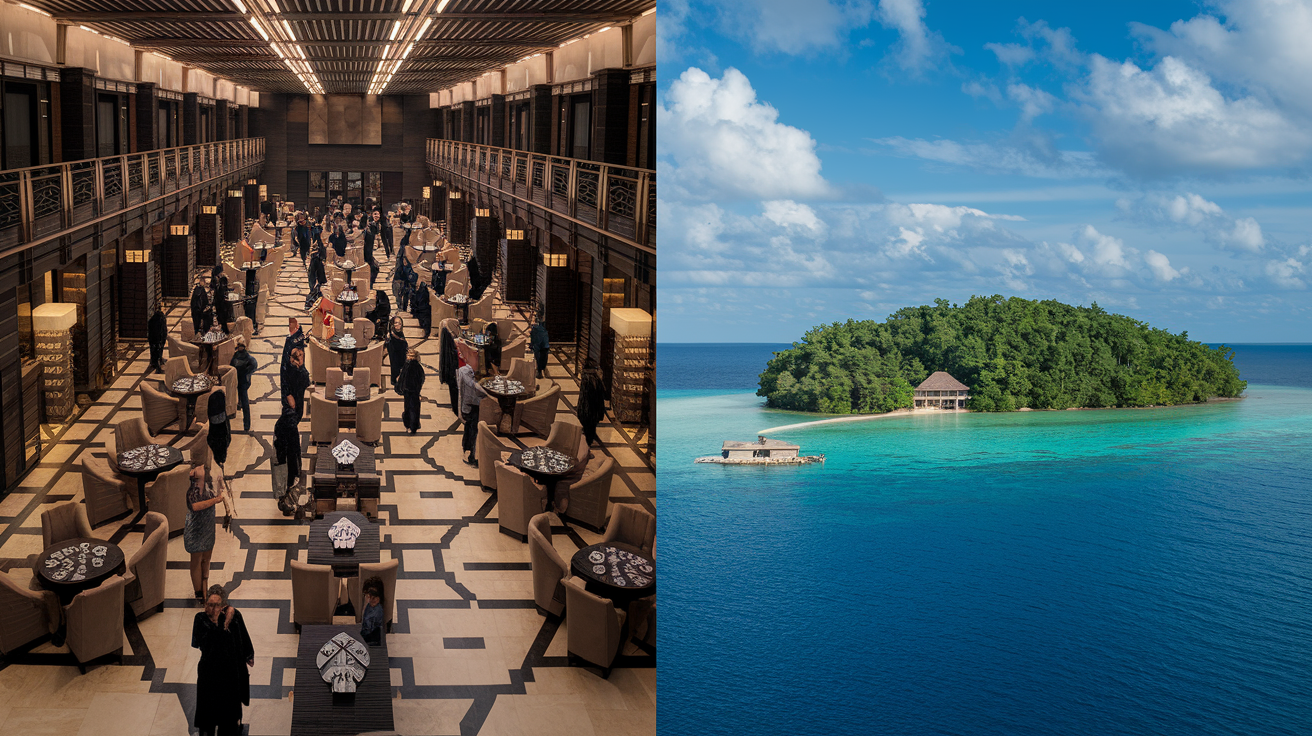
Luxury resorts charge $400 to $2,000 per night per room and deliver five-star service, but they can’t eliminate shared spaces. Lobbies, restaurants, spas, pools. They mix guests, creating opportunities for chance encounters, smartphone videos, leaked itineraries. Check-in desks become public stages where high-profile arrivals draw staff gossip and guest speculation. Even VIP suites and private butler services can’t fully control who walks past a cabana or lingers near an elevator. Staff turnover at resorts means new hires cycle through every season, each one a potential source of tabloid tips or social-media posts.
Five privacy gaps at traditional luxury resorts:
- Public exposure – Shared lobbies, restaurants, common areas guarantee some level of visibility.
- Mixed guest populations – Other travelers, travel bloggers, paparazzi-tippers book the same property.
- Check-in visibility – Arrival and departure happen in semi-public terminals where phones record everything.
- Staff turnover – Seasonal hiring and high churn increase the chance that someone will leak details or sell photos.
- Shared environment risk – No control over who books the adjacent suite, uses the same spa slot, walks the same beach.
Private islands flip every variable. The entire property belongs to a single party, so there are no strangers in hallways, no risk of a candid photo at breakfast, zero chance that another guest books a conflicting event. Whole-island control means schedules, noise levels, guest lists remain entirely private. Staff sign rigorous confidentiality agreements and often work exclusively for the owner or a vetted rental agency, reducing turnover-driven leaks. Events (whether album-recording sessions, script rehearsals, or family reunions) unfold without permits, curfews, or resort policies. That level of curated confidentiality justifies the premium for people whose careers depend on managing public narratives and protecting off-duty moments.
Celebrity-Owned Islands and High-Profile Examples
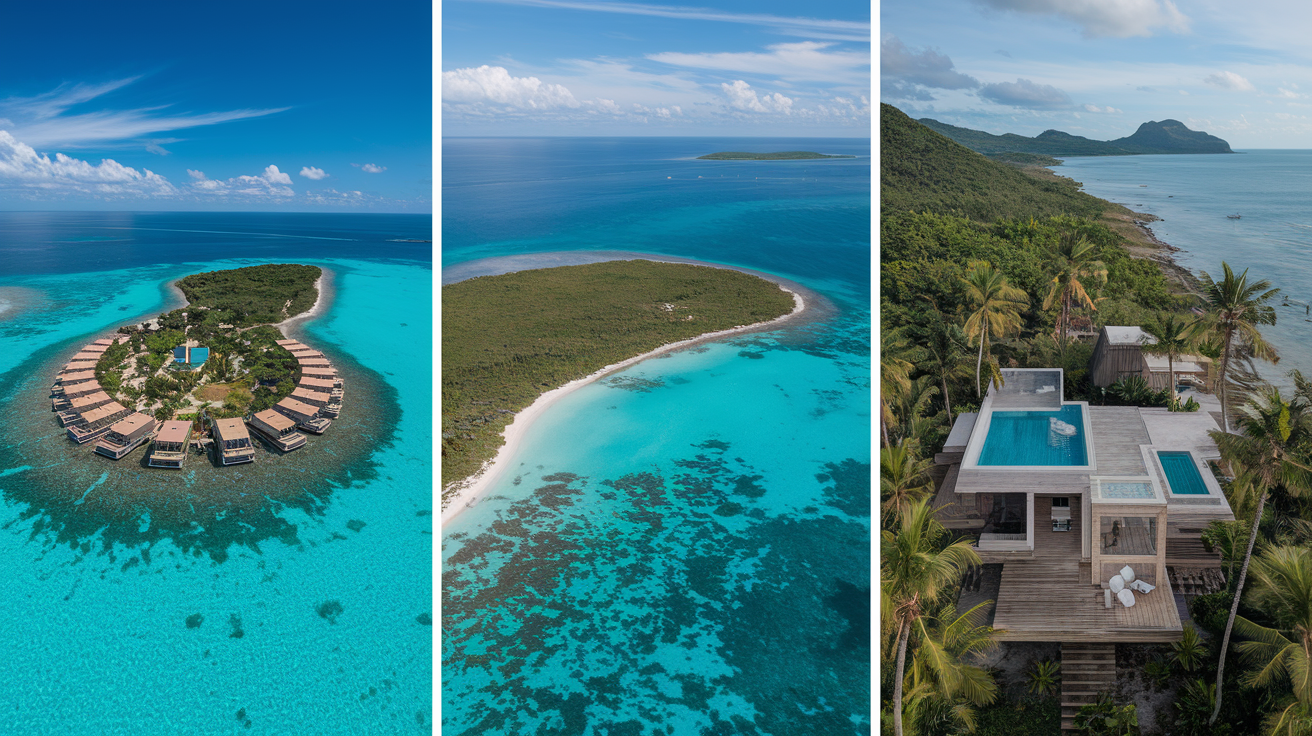
Celebrity island ownership reflects a mix of privacy needs, status signaling, personal passion projects. High-profile buyers typically look for locations within a few hours of major hubs, established infrastructure (power, water, docks), enough land to host guests without crowding. These properties double as private sanctuaries and revenue-generating rentals when the owner is away. Islands also serve as controlled stages for brand collaborations, magazine shoots, social-media content that benefits from exotic backdrops without the risk of public-location leaks.
Necker Island
Richard Branson purchased this 74-acre British Virgin Islands property in the late 1970s and transformed it into one of the world’s most recognized private-island retreats. The island accommodates up to 40 guests across multiple villas, each outfitted with open-air living spaces, infinity pools, direct beach access. Branson uses Necker for personal family gatherings and also offers exclusive full-island hires. Reported rental rates have ranged from roughly $60,000 to over $100,000 per night depending on season and guest count, with weeklong exclusive bookings often exceeding half a million dollars. The property has hosted everyone from tech entrepreneurs to rock stars and frequently appears in media as a symbol of ultimate luxury and seclusion.
Musha Cay
Magician and illusionist David Copperfield owns this Bahamian island, which operates as an ultra-luxury rental available only for whole-island bookings. Musha Cay can host around 24 guests across five houses, each designed with theatrical attention to detail. Hidden passages, private beaches named after famous islands, curated entertainment options that reflect Copperfield’s flair for surprise. Nightly rates are reported in the five-figure range, with some accounts citing totals near $50,000 or higher per night. The island’s exclusivity and custom service have attracted A-list musicians, actors, business leaders seeking total privacy and a touch of magic in their getaway.
Blackadore Caye
Leonardo DiCaprio purchased this Belizean island in the mid-2000s for a reported $1.7 to $1.8 million with plans to develop an eco-resort that balances luxury with environmental restoration. The project focuses on renewable energy, habitat protection, sustainable building practices, aiming to serve as a model for regenerative tourism. While development timelines have shifted over the years, Blackadore Caye remains a high-profile example of celebrity commitment to conservation-driven luxury. The island appeals to environmentally conscious travelers and positions DiCaprio’s brand alongside climate advocacy and innovative eco-design.
Logistics Behind Celebrity Travel to Private Islands

Reaching a private island typically involves a multi-leg journey. Guests fly commercially or via private jet to the nearest major airport, then transfer to a chartered helicopter, seaplane, or yacht for the final stretch. Helicopter transfers usually take 30 to 90 minutes and land directly on island helipads, bypassing public docks and ferry terminals. Seaplanes offer water landings in sheltered lagoons and carry more luggage than helicopters but require calm conditions. Yacht transfers take one to six hours depending on distance and sea state, offering the most privacy and cargo capacity for guests who bring extensive wardrobes, musical equipment, event supplies.
Logistical friction increases with remoteness. Islands require pre-arranged fuel deliveries, either by barge or through on-site storage tanks. Fresh food, beverages, specialty ingredients arrive via supply boats or air freight, often requiring customs clearance at multiple points. Staff may travel from nearby islands or the mainland, and their rotation schedules must align with weather windows and transport availability. Event production (stages, sound systems, lighting rigs) demands advance shipping and on-island assembly by specialized crews. Any delay in transport, whether from weather, mechanical issues, or permit snags, ripples through the entire operation.
Medical evacuation and weather preparedness anchor every high-profile stay. Islands maintain standby contracts with helicopter medevac providers who can reach most Caribbean or Pacific locations within 30 to 90 minutes. Staff train in advanced first aid and CPR, and many islands stock automated external defibrillators, oxygen, emergency medications. Hurricane or storm plans include hardened shelters, backup power, satellite phones that function when cellular towers fail, pre-positioned fuel and water reserves. Guests receive detailed weather briefings before arrival, and contingency departure windows stay open if forecasts shift.
Wellness, Creative Retreats, and Recovery Benefits
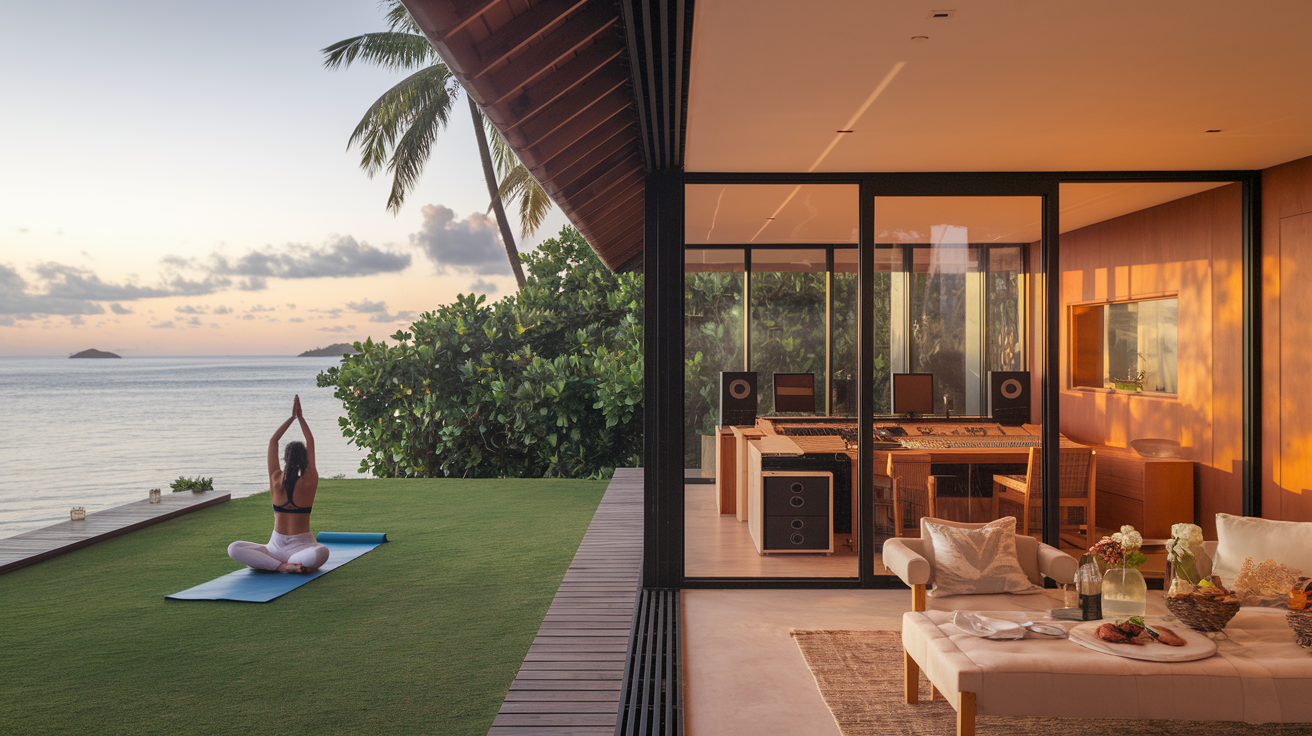
Isolation helps creative professionals focus without the distractions of urban life. Songwriters, screenwriters, directors book private islands for weeks at a time to draft albums, scripts, storyboards in environments free from meetings, phone calls, industry gossip. The absence of Wi-Fi pressure (many islands offer connectivity but don’t mandate it) lets guests disconnect and work at their own pace. Rehearsal spaces, recording studios, or simple quiet villas provide the mental space to experiment, revise, refine without external deadlines.
Four wellness services common on celebrity islands:
- Private yoga and meditation sessions – Instructors tailor programs to guest experience levels and schedule preferences.
- Therapeutic spa treatments – Massage, acupuncture, hydrotherapy, aesthetic services delivered in-villa or dedicated spa pavilions.
- Personalized nutrition and fitness coaching – Chefs and trainers collaborate on meal plans and workout routines aligned with health goals.
- Mental-health and recovery support – Licensed therapists, life coaches, addiction counselors available for confidential sessions.
Recovery retreats address burnout, stress, the pressures of constant public scrutiny. Celebrities recovering from tours, film shoots, personal crises use island seclusion to reset sleep schedules, establish healthier routines, work through emotional challenges with professional support. The controlled environment removes triggers (paparazzi, fans, industry obligations) and replaces them with structured wellness programming. Staff maintain strict confidentiality, and the absence of other guests ensures that recovery work remains private. Many islands now offer programs that blend physical fitness, nutritional reset, mindfulness practice, therapeutic counseling into multi-week experiences designed to restore mental and physical health.
Sustainability and Environmental Practices on Celebrity Islands
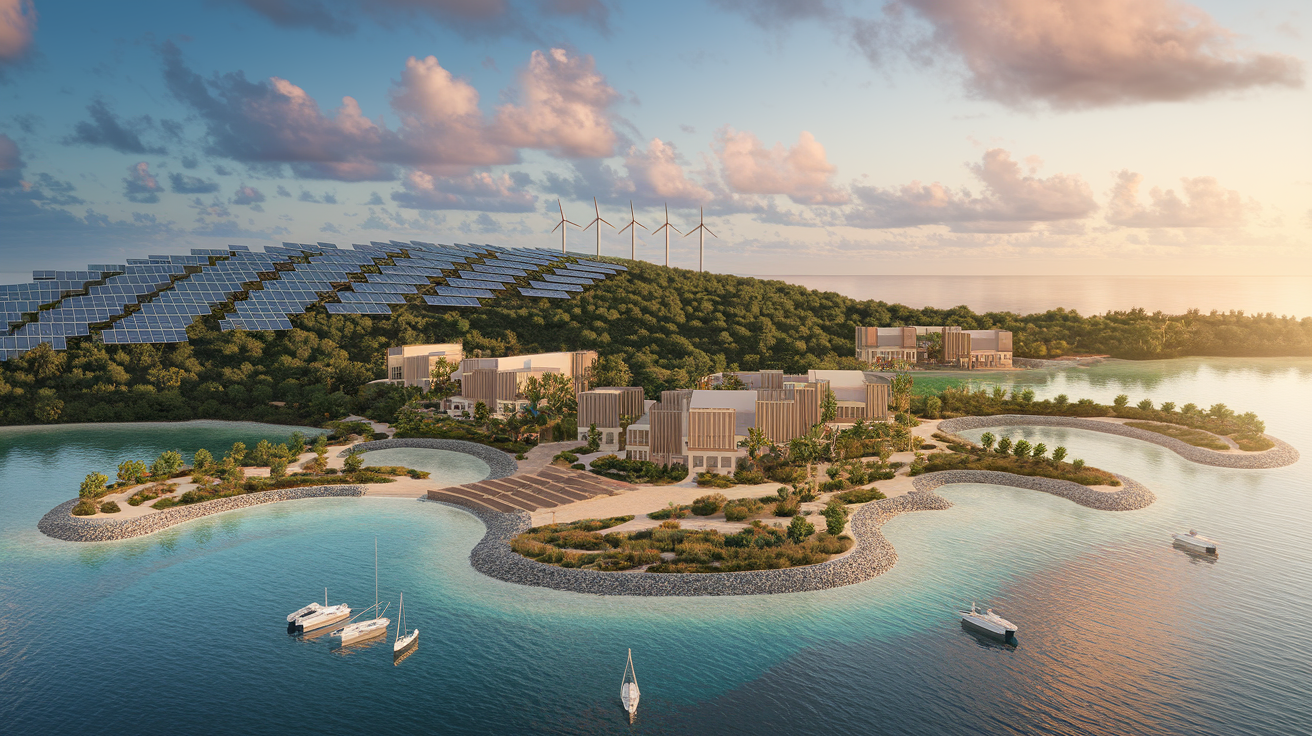
Sustainability has shifted from niche selling point to baseline expectation among high-profile island buyers and renters. Celebrities increasingly view eco-conscious development as part of their public brand, and islands offer a visible platform to demonstrate commitment to conservation. Solar arrays, wind turbines, battery-storage systems now power many properties, reducing reliance on diesel generators that require costly and polluting fuel shipments. Desalination plants convert seawater into potable water, while greywater recycling and composting toilets minimize wastewater discharge into fragile marine ecosystems.
Reef protection and habitat restoration programs have become common features. Island owners fund coral-nursery projects, remove invasive species, establish marine protected zones that ban fishing or anchor damage. Native tree-planting initiatives restore coastal vegetation, prevent erosion, provide habitat for seabirds and endemic species. Building codes favor low-impact materials (reclaimed wood, locally sourced stone, non-toxic finishes) that reduce the carbon footprint of construction and renovation. Some properties pursue third-party eco-certifications or partner with marine-biology institutes to monitor biodiversity and track conservation outcomes. These efforts appeal to environmentally aware guests and generate positive media coverage that reinforces the owner’s commitment to responsible luxury.
Future Trends in Celebrity Private-Island Getaways
Demand for eco-luxury and membership-based island clubs is rising as more people seek exclusive access without the commitment of full ownership. Fractional models let buyers purchase shares in an island, rotating usage across a small group of co-owners who each enjoy several weeks per year. Private-island clubs operate like ultra-exclusive resorts, granting members access to a portfolio of properties in exchange for annual dues and booking fees. These structures lower the financial barrier, spread operating costs, appeal to celebrities who value flexibility over permanent ties to a single location.
Tech trends are reshaping guest experience and security. AI-driven concierge platforms now manage itinerary planning, staff scheduling, supply ordering through predictive algorithms that learn guest preferences over multiple stays. Digital security has become a priority. Islands deploy encrypted Wi-Fi networks, virtual private networks for all devices, cybersecurity monitoring to prevent hacking or data leaks. Biometric access controls extend beyond gates to villa doors, safes, even wine cellars, creating audit trails that enhance accountability and reduce insider-threat risk.
Brand collaborations, remote work suites, immersive itineraries are turning private islands into multi-purpose stages. Luxury fashion houses partner with island owners to host product launches or photo shoots in exclusive settings that double as marketing content. Remote work suites equipped with high-speed satellite internet, videoconference studios, ergonomic workspaces let executives and creatives blend business obligations with vacation. Immersive itineraries (think guided reef dives led by marine biologists, private cooking classes with celebrity chefs, astronomy nights with portable observatories) add experiential depth that goes beyond lounging on a beach. These innovations position private islands not just as escapes, but as dynamic environments where work, wellness, creativity, and brand-building converge.
Final Words
In the action, celebrities pick private islands mostly for airtight privacy and to avoid paparazzi, thanks to remote locations and controlled access.
This piece walked through the physical design tricks, arrival logistics, on-island security, luxe amenities, steep rental and ownership costs, and real examples like Necker and Musha Cay.
That all adds up to a clear answer to why celebrities choose private islands for getaways: it’s privacy plus creative freedom and tailored luxury. Expect more eco-friendly, tech-forward retreats in the near future.
FAQ
Q: Why do celebrities buy islands and why would someone want a private island?
A: Celebrities buy private islands and people want private islands for privacy and total control, with no crowds, private events, tight security, personalized staff, and status. It’s about freedom and discretion.
Q: Why do rich people go to Turks and Caicos?
A: Rich people go to Turks and Caicos because of powder-white beaches, calm turquoise water, private villas and resorts, short charter flights from major hubs, and a quieter, paparazzi-light vibe for relaxing or hosting private events.
Q: What island do most celebrities go to?
A: The islands most celebrities go to are Necker Island, Musha Cay, and Parrot Cay; these private spots offer exclusive rentals, tight access control, and amenities built for privacy-heavy celebrity stays.