

Controversial: a German production team, not a flashy frontman, wrote the soundtrack of the 90s, and “Mr. Vain” proves it.
Culture Beat, born in Frankfurt and led by DJ Torsten Fenslau, mixed rumbling bass, rap verses, and soaring choruses to hit No. 1 in 13 countries and become Europe’s best-selling single of 1993.
This piece peels back the story, from formation and lineup changes to the studio tricks behind “Mr. Vain,” and why those piano riffs still make dance floors erupt, so you know who Culture Beat were and why they still matter.
Comprehensive Overview of Culture Beat’s Identity and Global Impact

Culture Beat was one of the defining acts in 90s Eurodance, a German production project that churned out some of the decade’s biggest dancefloor anthems. They hit worldwide fame right when the Eurodance movement peaked, mixing massive vocal hooks with high-energy beats that took over clubs and radio from Europe to everywhere else. Their sound captured what 90s dance music was all about: driving basslines, rap verses matched with soaring choruses, production built to move crowds whether you were in Frankfurt or London.
The project blew up globally in 1993 with “Mr. Vain,” a single that hit No. 1 in 13 countries including Germany, the UK, and France. That year, “Mr. Vain” became Europe’s best-selling song, locking in Culture Beat’s spot among the era’s top dance acts. This wasn’t some regional fluke. It crossed borders, languages, radio formats, proving that Culture Beat’s signature hits had real international pull.
Over more than 20 years, Culture Beat sold millions of records and downloads, staying recognizable long after the initial 90s Eurodance wave crashed. The group still shows up in retro festival lineups and nostalgia playlists, with “Mr. Vain” continuing to land in DJ sets and streaming compilations celebrating the golden age of 90s dance. Their global impact isn’t just about chart positions. It’s about how their music stuck in the collective memory of everyone who grew up on Eurodance.
Culture Beat’s Formation and Early Eurodance Development

Culture Beat started in 1989, founded by Torsten Fenslau, a DJ embedded deep in Frankfurt’s electronic music scene with strong ties to the city’s influential Dorian Gray Club. Frankfurt was a key hub for European dance culture back then, with its clubs and producers creating sounds that would shape the next decade. Torsten’s vision for Culture Beat came straight from the dancefloor: music made to grab attention in packed clubs and carry that same power to radio and home speakers.
The early lineup mixed German and international talent. German cabaret performer Jo van Nelsen, American rapper Jay Supreme, German singer Lana E. These initial members shaped a sound balancing rap energy with melodic vocals, a formula that became central to Eurodance’s explosive growth in the early 90s.
1989: Culture Beat officially formed under Torsten Fenslau’s production leadership in Frankfurt.
Early singles: The project dropped initial tracks that gained traction in the German club circuit, laying groundwork for broader European exposure.
Lineup development: Jay Supreme’s rap delivery combined with Lana E’s vocal presence established the group’s signature dual-vocal style.
Club circuit rise: Culture Beat built momentum through DJ support and live appearances at major dance events across Germany and neighboring countries.
Culture Beat’s Breakthrough Era and the Rise of “Mr. Vain”

In 1993, Culture Beat released “Mr. Vain,” a single that transformed them from a respected club act into a global phenomenon. The track topped charts in 13 countries, major markets like Germany, the UK, and France, and became Europe’s best-selling song that year. “Mr. Vain” was everywhere. Radio rotations, club sets, MTV, record stores across the continent. Success was immediate and overwhelming, turning Culture Beat into one of the most recognized names in 90s dance.
Song Composition and Chorus Patterns
“Mr. Vain” is built around a relentlessly catchy piano riff, a thumping bassline, and a vocal hook that gets stuck in your head after one listen. “Call him Mr. Raider, call him Mr. Wrong, call him Mr. Vain.” The structure follows classic Eurodance formula: rap verses from Jay Supreme provide rhythmic drive, while Tania Evans’ powerful sung chorus delivers the melodic payoff. Production is tight, polished, designed to work equally well on a festival stage or through car speakers. Tempo and energy level pull you in and keep you moving.
The Serenity Album’s Significance
“Mr. Vain” appeared on the Serenity album, which also produced additional singles “Got To Get It” and “Anything.” Serenity is widely regarded by dance music experts as a milestone album in 90s dance, capturing the peak of Eurodance’s commercial and creative power. The album delivered a consistent vision: high-energy production, memorable vocal performances, tracks that worked both as individual singles and as a cohesive listening experience. Serenity’s success solidified Culture Beat’s reputation and proved they could sustain momentum beyond a single breakout hit.
| Country | Peak Position |
|---|---|
| Germany | No. 1 |
| United Kingdom | No. 1 |
| France | No. 1 |
Post-1993 Evolution: Leadership Change and New Musical Directions

At the end of 1993, Culture Beat’s founder Torsten Fenslau died in a car accident. Tragic loss that could’ve ended the project entirely. Instead, his younger brother Frank Fenslau stepped in to continue what Torsten started. Frank took over production duties and kept Culture Beat moving forward, steering the group through a transition period while maintaining the sound and energy that made them famous.
Under Frank’s leadership, Culture Beat released the album Inside Out, which produced singles “Inside Out” and “Crying in the Rain.” The album maintained the group’s core Eurodance identity while introducing subtle shifts in production style. Slightly darker tones, more layered arrangements, willingness to experiment with tempo and mood. “Inside Out” and “Crying in the Rain” both performed well on European charts, proving Culture Beat could evolve without abandoning the formula that brought them success.
The follow-up album Metamorphosis featured singles “Rendez-Vous” and “Pay No Mind,” continuing the evolution Frank had begun with Inside Out. Metamorphosis leaned into more polished, radio-friendly production techniques, reflecting changes in the broader dance music landscape as the 90s progressed. The album’s sound was cleaner, more refined, aimed at maintaining relevance as Eurodance began sharing space with emerging electronic subgenres. Frank’s production work kept Culture Beat a credible name even as the dance music scene shifted around them.
Culture Beat’s Lineup Timeline and Vocal Identity
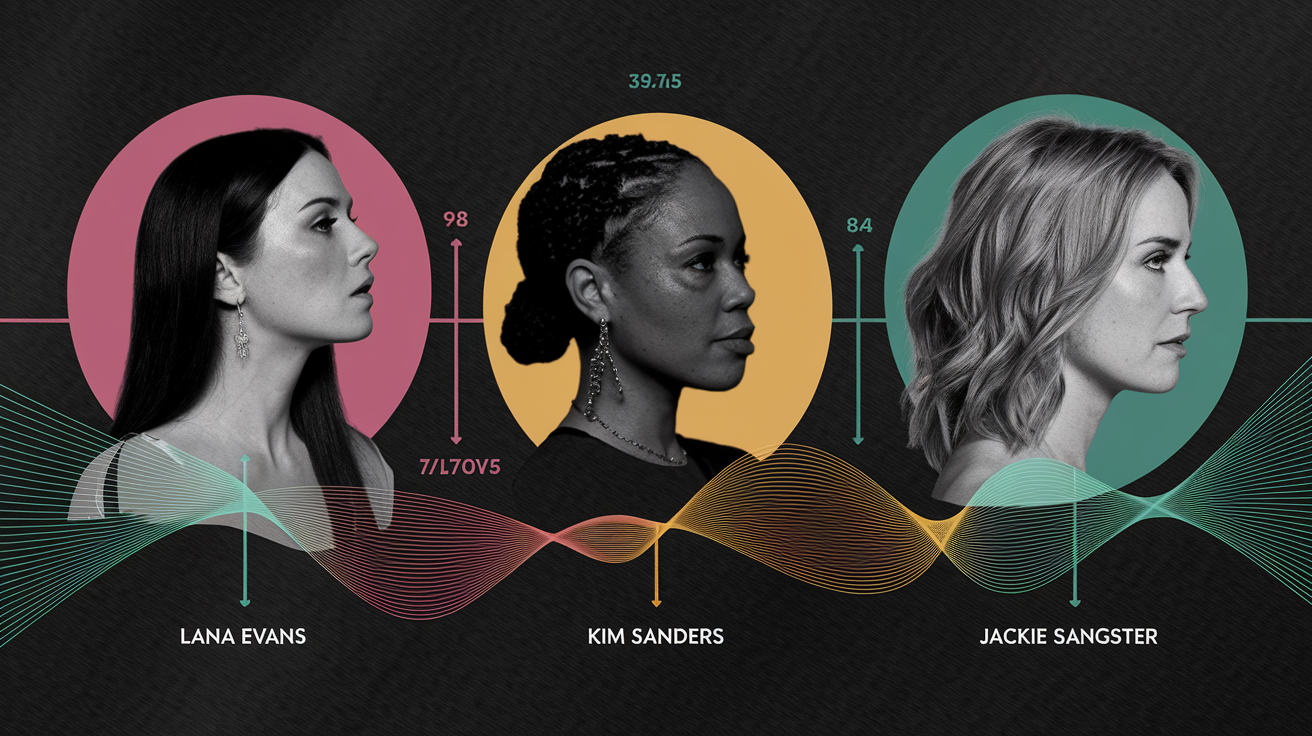
Culture Beat’s early vocal identity was defined by Lana E, whose voice appeared on the group’s initial releases and helped establish their presence in the German club scene. In 1993, as the group prepared for the Serenity era and the release of “Mr. Vain,” Lana E departed and was replaced by British singer Tania Evans. Tania’s powerful, soulful delivery became the defining vocal signature of Culture Beat’s breakthrough period, and her work on Serenity and later releases shaped the sound millions of fans came to know.
Tania Evans Era (1993–1997)
Tania Evans fronted Culture Beat during the group’s peak commercial years, delivering vocals on “Mr. Vain,” “Got To Get It,” and “Anything.” Her voice brought emotional depth and melodic strength to tracks that relied on both dancefloor energy and memorable hooks. Tania’s tenure coincided with Culture Beat’s greatest visibility, and her contributions were central to the group’s ability to compete at the highest levels of the 90s Eurodance market.
Kim Sanders Era (1997 Onward)
After Tania Evans left in 1997, American singer Kim Sanders took over vocal duties. Kim brought a different vocal texture. Smoother, more polished, well-suited to the cleaner production style Frank Fenslau was developing on albums like Metamorphosis. Kim’s work helped Culture Beat maintain continuity as the group adapted to changing tastes in dance music.
Jackie Sangster and the Live Era (1999–Present)
Since 1999, British singer Jackie Sangster has fronted Culture Beat in live performances, supported by Greek MC 4T. This lineup represents the group’s current identity, focused on festival appearances, 90s nostalgia events, private bookings. When rapper Jay Supreme left in 1998, Culture Beat shifted to a single-vocalist format for live shows, streamlining the act and emphasizing the vocal hooks that remain the group’s most recognizable element.
Lineup changes allowed Culture Beat to adapt to shifting commercial trends while keeping vocal quality and stage presence intact. The transition from dual-vocal (rap and sung) to single-vocalist format reflected broader changes in how Eurodance acts were marketed and performed in the 2000s. Jackie Sangster’s long tenure since 1999 has provided stability and a consistent live identity for fans hitting up retro dance events.
Hit Singles, Discography Milestones, and Club Remix Culture

Culture Beat’s discography is built around a core group of singles that defined their sound and secured their place in 90s dance music history. These tracks weren’t just radio hits. They were dancefloor anthems, crafted for maximum impact in clubs and at festivals, designed to be remixed, reworked, played by DJs across Europe and beyond.
“Mr. Vain” (1993): The signature track, a 13-country No. 1 hit that became the best-selling European single of 1993 and remains a club classic.
“Got To Get It” (1993): A follow-up single from Serenity that maintained momentum and demonstrated the album’s depth beyond the lead hit.
“Anything” (1993): Another Serenity single that reinforced Culture Beat’s ability to deliver consistent dancefloor energy and memorable hooks.
“Inside Out” (mid-1990s): The title track from the post-Serenity album, showcasing a slightly darker production tone while retaining the group’s core Eurodance identity.
“Crying in the Rain” (mid-1990s): A melodic single from Inside Out that balanced emotional vocal delivery with driving beats, appealing to both club and radio audiences.
Culture Beat tracks became staples in 90s DJ playlists and remix culture, with multiple versions of singles released to cater to different club formats and radio markets. Remix culture in the Eurodance era meant a single track could live in dozens of forms. Extended club mixes, radio edits, instrumental versions, remixes by prominent DJs. Maximum reach and longevity on dancefloors.
| Single | Release Year | Notes |
|---|---|---|
| “Mr. Vain” | 1993 | No. 1 in 13 countries; Europe’s best-selling single of 1993 |
| “Got To Get It” | 1993 | Second single from Serenity; strong European chart performance |
| “Inside Out” | Mid-1990s | Title track from post-Serenity album; darker production tone |
| “Rendez-Vous” | Mid-to-late 1990s | Single from Metamorphosis; polished, radio-friendly sound |
Culture Beat’s Lasting Legacy in Dance and Electronic Music

Culture Beat’s influence stretches well beyond the 90s, with their music continuing to appear in playlists, festivals, DJ sets celebrating the golden age of Eurodance. Serenity is frequently cited by dance music experts as a milestone album, a record that captured the energy, production quality, and commercial appeal defining 90s club culture. “Mr. Vain” in particular has achieved true classic status. It’s a track that goes beyond nostalgia and remains functional on modern dancefloors, still capable of drawing a crowd reaction decades after release.
The group’s long-term recognition is tied to their role in shaping the sound of 90s dance music, a genre that influenced everything from early 2000s pop to contemporary EDM. The dual-vocal format, the piano-driven hooks, the balance of rap and sung melody. These elements became templates for countless acts that followed. Culture Beat didn’t just ride the Eurodance wave. They helped define what that wave sounded like and how it moved across borders and into mainstream culture.
Culture Beat tracks remain fixtures in retro 90s playlists on Spotify, Apple Music, other streaming platforms, introducing their music to new listeners who weren’t alive during the original Eurodance era. The group continues performing at 90s-themed festivals, private events, corporate galas, with Jackie Sangster and MC 4T delivering live versions of the classic hits that made Culture Beat famous. “Mr. Vain” regularly features in nostalgia-driven marketing campaigns, TV shows, films that want to evoke the sound and energy of the 90s club scene.
Final Words
From the 1993 smash “Mr. Vain” to later albums and lineup shifts, this piece mapped Culture Beat’s rise, chart domination, and worldwide reach.
We traced their Frankfurt club roots, the change after Torsten Fenslau, key vocal eras, and how remixes kept their tracks alive in DJ sets.
All of that adds up: culture beat helped shape 1990s Eurodance and left a lasting mark on today’s EDM and retro playlists. Expect their songs to keep popping up at festivals and nostalgia nights, and their influence is still going strong.
FAQ
Q: Who is the singer of Culture Beat?
A: The singer of Culture Beat is currently Jackie Sangster, who has fronted the act since 1999; notable past lead vocalists include Tania Evans (1993–1997), Lana E, and Kim Sanders.
Q: Who were the original members of Culture Beat and has the lineup changed?
A: The original members of Culture Beat were founder Torsten Fenslau, Jo van Nelsen, Jay Supreme, and Lana E; yes, the lineup changed repeatedly with new vocalists and MCs through the 1990s and after.
Q: What is Culture Beat most known for?
A: Culture Beat is most known for their 1993 smash “Mr. Vain,” which topped charts in 13 countries and became a defining 1990s Eurodance club anthem.