

Is “For the Culture” just a slogan brands stole to sell hoodies?
Not really.
It began in Black American communities as a promise: do work to honor and protect culture, not chase clout or cash.
Today it lives in music, merch, nonprofits, and creator drops, linking elders who saved traditions to kids making viral moves.
This piece will unpack the phrase’s meaning, origin, and modern uses, and show why it still matters as a claim on respect, representation, and real community power.
Meaning, Origin, and Modern Use of “For the Culture”

“For the Culture” started as a phrase, but it’s become something bigger. It’s a statement that what you’re doing isn’t about the money or the clout. It’s about honoring, protecting, and pushing forward Black cultural expression and identity. Born in Black American communities, it was shorthand for doing something out of pure love and respect, no outside validation needed. Over the last ten years or so, it’s turned into a full rallying cry across music, fashion, grassroots work, and youth movements, calling out representation and authenticity wherever they show up.
You’ll see it now in merch drops like “Intro to Culture 101” or “Culture Is a Cheat Code.” It anchors nonprofit work serving Black and brown communities. Athletes and creators build whole collections around it. The phrase lives in Instagram captions, album credits, event posters, and product releases, always pointing to the same thing: this is in service of the community, not some cash grab.
It connects generations too. The elders who preserved traditions through storytelling and the kids who carry culture forward through viral dances and sneaker drops are part of the same lineage. It’s both a cultural movement and a way of saying “I belong here.”
You’ll find “For the Culture” showing up in:
- Clothing lines with cultural education vibes and athlete signature collections like the CJ Stroud Lockerverse and Jameer Nelson drops
- Nonprofit programs offering scholarships, mentorship, and arts education under slogans like “STRENGTHEN | SUPPORT | EMPOWER”
- Social media posts and music credits that signal creative moves made for community pride, not commercial appeal
- Event flyers and festival lineups centering Black arts, dance, and storytelling
Cultural Roots and Heritage Connected to “For the Culture”
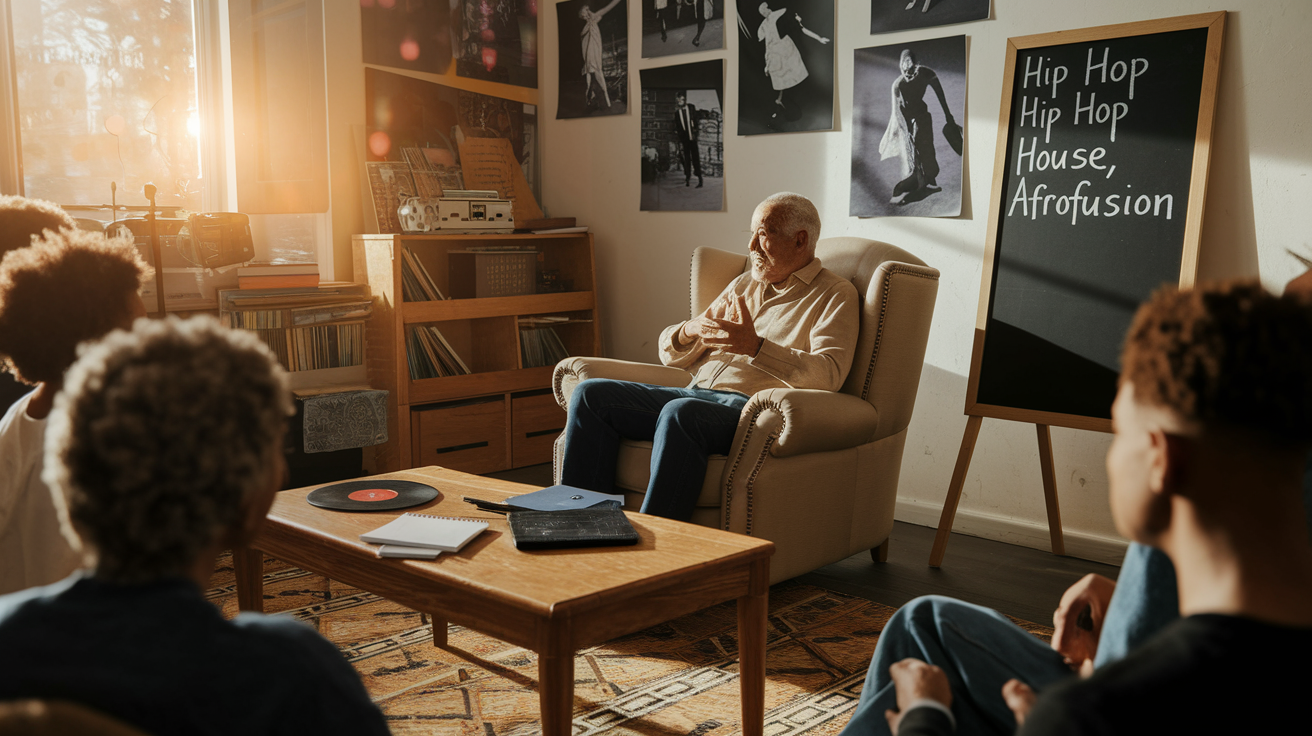
This phrase didn’t just appear out of nowhere. It comes from a deep tradition of Black cultural expression built on resilience, creativity, and passing knowledge down through generations. It reflects how Black communities have always kept their traditions alive through performance, style, storytelling, and looking out for each other, especially when the mainstream wasn’t paying attention or actively tried to shut it down. The idea existed long before the slang caught on, visible in how elders shared oral histories, how neighborhoods built safe spaces for young people, and how artists carved out careers without waiting for permission.
Organizations today use the phrase to describe work that honors diaspora connections and keeps culture intact. Nonprofits frame their missions around scholarships for people of color, mentorship tracks, and building community legacy. Dance institutions teach Hip hop, House, and AfroFusion not just as movement styles but as living histories, creating what one group calls “knowledgeable stewards of Black culture for future generations.” It’s not just about learning the steps. It’s about elevating voices that have been pushed to the margins and making sure the people who created these innovations get their credit.
| Tradition | Cultural Meaning | How It’s Preserved |
|---|---|---|
| Hip hop dance lineages | Community storytelling through movement and rhythm | Workshops that combine technique with history lessons, taught by returning instructors in spaces designed for learning |
| Black apparel and style codes | Identity expression and solidarity signaling | Branded merch that references cultural icons and uses education themed names |
| Community mentorship networks | Intergenerational knowledge transfer and empowerment | Scholarship programs and internships built for underserved Black and brown individuals |
Pop Culture and Merch Influence “For the Culture”

The phrase has woven itself into how Black culture flows through music, fashion, and creator economies. It marks the line between a transaction and an actual cultural exchange. When someone releases a product or sponsors an event “for the culture,” they’re saying this respects where we come from, centers our voices, and adds to our collective pride instead of taking from it.
Entertainment and entrepreneurship have turned the phrase into both a mindset and a business approach. Independent creators use it to frame drops, collaborations, and content that honor their roots while building careers that actually last. Apparel’s become one of the clearest ways this shows up, with brands and individuals designing merch that works as wearable storytelling and identity markers. Limited drops, pre-order windows, and holiday fulfillment cutoffs create hype and exclusivity, but the messaging stays rooted in cultural pride and real representation.
The growth of cultural entrepreneurship has let athletes, artists, and everyday creators monetize their platforms while staying tied to the communities that shaped them. Signature collections from public figures aren’t just celebrity endorsements anymore. They’re extensions of personal stories and community representation. This shift has changed what it means to build a brand “for the culture,” mixing commerce with authenticity and turning merch into statements of belonging.
Music and Performance Influence
Hip hop’s been the loudest voice carrying this phrase, embedding it in lyrics, album rollouts, and performance culture. Artists reference it when they make creative choices that put community respect over mainstream appeal, like dropping music independently, working with local talent, or choosing beats that honor foundational sounds. Dance styles rooted in Black culture, like Hip hop, House, and AfroFusion, carry the same energy, taught not just as moves but as living history. Product names like “The Billie Jean Step Culture” and “The MJ Icon” pull from music and performance legacies, turning cultural moments into wearable references that fans immediately get.
Fashion, Merch Drops, and Cultural Expression
Apparel’s become a main channel for the phrase, with pieces designed to communicate identity, pride, and insider knowledge. Hoodies like the “Racer Skull Hoodie 10oz” and “Culture Cowboy – Hoodie – 12.5 oz” list specific fabric weights for quality and durability. Embroidery options, from full chest designs to left chest placements, let buyers choose how loud they want to signal their connection. Oversized sweatsuits like the “Culture State Oversized Sweatsuit” and “Definition of Homecoming Sweatsuit” lean into comfort and streetwear looks, while items like the “For the Culture – Letterman Jacket – Pre Order” nod to classic varsity style with cultural messaging layered in. Sites list global currency options and set holiday fulfillment deadlines like “ALL ORDERS PLACED AFTER 12/14 IS NOT GUARANTEED TO BE RECEIVED BY 12/25,” showing commerce built around urgency and access.
Creator Led Branding and Collaborations
Athletes and public figures have built signature lines that merge personal branding with cultural storytelling. The CJ Stroud Lockerverse Collection includes tees and hoodies, while the Jameer Nelson and Jamia Nelson collections tie items to individual legacies. The “CJ Stroud 7 – NEW ERA 9FIFTY SnapBack” is a licensed collab connecting sports culture with branded headwear. Pre-order models and “New in” tags signal limited availability and build hype around drops, while collaborations with heritage brands, like a partnership celebrating a Negro League baseball team, root products in deeper cultural history. These collections turn creators into curators, using apparel as both income and public statements of what they represent.
Six merch categories tied to cultural expression:
- Graphic tees with cultural icons – “The Glove,” “Mike Culture,” and “Cultural Excellence Mike & Steph” reference sports legends and cultural moments
- Heavyweight hoodies with embroidery options – “I AM C.U.L.T.U.R.E.D. – Boarding Pass Hoodie 10 oz” and “Cultural Excellence Champions – Hoodie – 10oz” offer full or left chest embroidery
- Oversized sweatsuits for streetwear aesthetics – “College Culture Sweatsuit” and “Block Culture Sweatsuit” lean into comfort and layered style
- Headwear collaborations with licensed brands – “The CJ Stroud 7 – NEW ERA 9FIFTY SnapBack” merges athlete branding with heritage sports apparel
- Pre-order outerwear with cultural messaging – “For the Culture – Letterman Jacket – Pre Order” signals exclusive drops tied to cultural pride
- Books and signed collectibles – “For the Culture – Signed Book” turns cultural education into physical keepsakes
Community Programs and Social Impact Driven “For the Culture” Work
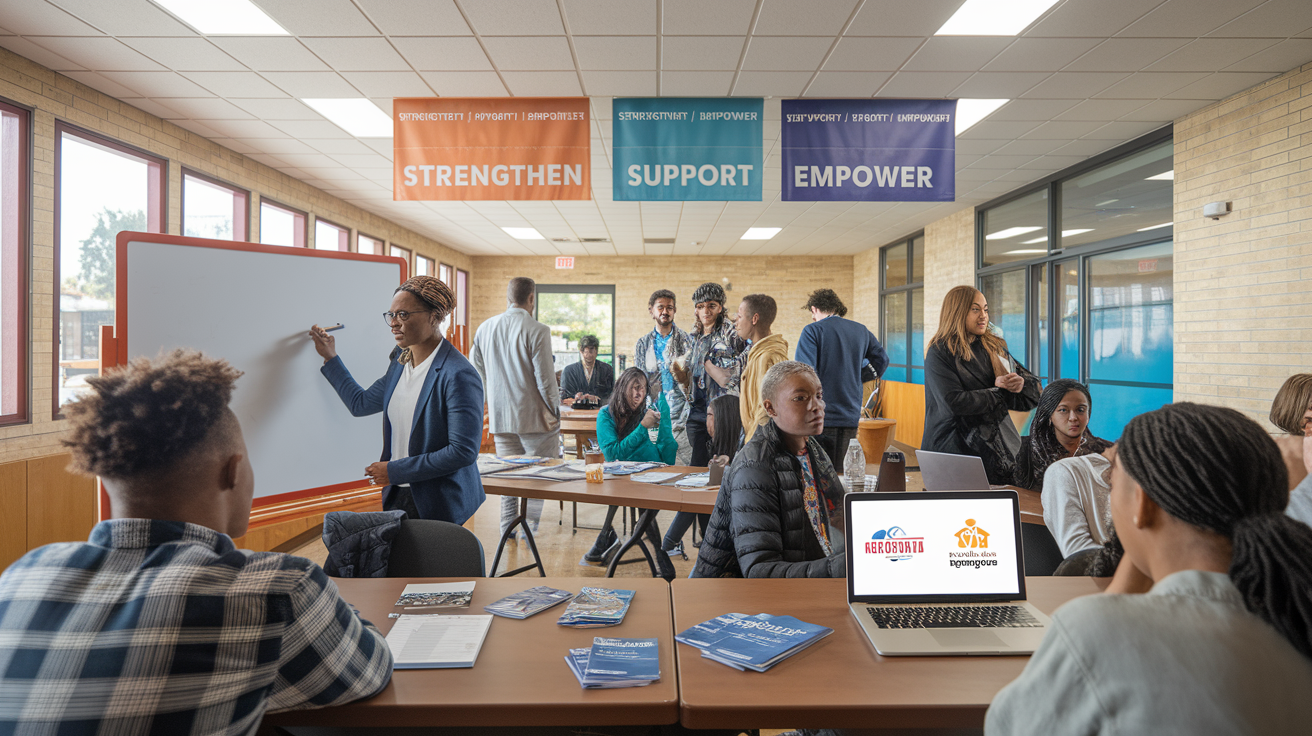
The phrase stretches beyond products and performances into actual community programs designed to empower, educate, and create pathways for the next generation. Nonprofits and grassroots organizations use it to frame work that centers underserved Black and brown individuals, offering resources around educational access, career development, and cultural literacy. These programs run on the idea that cultural pride and practical support aren’t separate things, and that real impact comes from giving communities tools to build their own futures.
Scholarship programs like “Scholarships for People of Color College Bound” remove financial barriers to higher education, while internships and mentorship opportunities like the FTC Internship create entry points into professional fields. Initiatives such as “Dare to Dream…” encourage youth to chase their goals with the backing of community networks and real support structures. These efforts reflect mission language rooted in empowerment, captured in taglines like “STRENGTHEN | SUPPORT | EMPOWER” and inspired by quotes like the one from Barack Obama: “Change will not come if we wait for some other person, or if we wait for some other time. We are the ones we’ve been waiting for. We are the change that we seek.”
Arts education programs take the same route, mixing technique training with cultural history to create knowledgeable stewards of tradition. Dance workshops teach foundational styles like Hip hop, House, and AfroFusion, emphasizing not just how to move but where those movements came from and why they matter. Testimonials describe these programs as transformative, calling them “one of a kind” and “nothing short of amazing,” pointing to the combination of learning, community, and fun that shapes the experience.
Four types of programs driven by cultural pride and social impact:
- College scholarships for students of color, built to increase access to higher education and reduce financial barriers for underserved communities
- Internship and mentorship initiatives that connect youth with professional networks, skill building, and career pathways
- Arts education workshops that teach culturally foundational dance styles alongside their histories, creating spaces for both learning and cultural pride
- Community empowerment campaigns that use mission driven messaging and grassroots organizing to build cultural resilience and collective wellbeing
Storytelling, Archives, and Preserving Culture for Future Generations

Preserving culture isn’t just about keeping records. It’s about actively passing down knowledge, honoring origins, and creating spaces where future generations can learn the stories behind the movements, styles, and expressions they inherit. Storytelling for community is how culture survives, whether through oral histories shared in workshops, testimonials captured from participants, or merch that names and references cultural icons. These methods turn lived experience into teachable moments and collective memory into something tangible.
Dance nonprofits build cultural learning spaces where history and technique get taught together, making sure students understand not just the steps but the lineages they come from. Apparel lines reference cultural storytelling through product names that call out figures like Mike, Steph, and the Glove, turning icons into shorthand for excellence and influence. Community testimonials describe workshops as places where participants felt seen, challenged, and connected, with one person noting that Toronto’s knowledgeable instructors made the experience unforgettable. These archives, whether formal or informal, are how culture gets handed forward.
| Storytelling Method | Community Benefit | Example |
|---|---|---|
| Workshop based teaching with historical context | Participants learn both skill and cultural origin, becoming informed stewards of tradition | Multi volume dance workshop series teaching Hip hop, House, and AfroFusion with history lessons built into technique training |
| Testimonial collection and sharing | Creates public record of cultural impact and lived experience, validating community contributions | Participant quotes describing workshops as transformative, highlighting community, learning, and joy |
| Merchandise with named cultural references | Turns cultural icons and moments into wearable storytelling that educates and signals belonging | Apparel lines like “The MJ Icon” and “Cultural Excellence Mike & Steph” that reference sports legends and shared cultural pride |
Events, Festivals, and Collective Experiences “For the Culture”

Events and festivals create the physical spaces where “for the culture” moves from idea to real life. These gatherings bring people together to celebrate, learn, perform, and build networks that last way longer than a single day. They’re where music scenes converge, where heritage tourism takes root, and where community led festivals affirm shared identity. Whether it’s a neighborhood block party, a multi day workshop series, or a citywide cultural celebration, these events reinforce that culture is something you do together, not alone.
Programs like multi volume dance workshops offer structured experiences where participants come back for deeper learning, building relationships and skills over time. Organizations encourage schools and community groups to bring cultural programming directly into their spaces, making access easier and embedding cultural education into everyday environments. Festivals like the “2nd Street Festival returns to Northern Liberties” signal the continuation of annual traditions that anchor neighborhoods and draw people back year after year. These events are where cultural resilience strategies take shape, where networks form, and where the phrase “for the culture” becomes visible, audible, and shared.
Four types of events that reinforce cultural identity and collective pride:
- Multi volume workshop series that build on previous sessions, creating opportunities for returning participants to deepen skills and connections
- Neighborhood festivals and block parties that celebrate local culture, bring communities together, and support cultural entrepreneurship through vendor and performer lineups
- Traveling cultural programs designed to be brought into schools, community centers, and organizations, making access easier and embedding cultural education in everyday spaces
- Music and performance showcases that center Black and diaspora artists, creating platforms for emerging talent and honoring foundational styles and lineages
Final Words
Right now, “for the culture” is showing up everywhere — in music, merch drops, dance floors, scholarships, and community programs. This piece traced its origin in Black American cultural expression and how it grew into a wider movement of pride and representation.
It’s clear the phrase powers apparel lines, creator collaborations, archives, and festivals that pass culture forward. Keep an eye on how communities keep shaping what it means — for the culture is alive, growing, and full of positive momentum.
FAQ
Q: What does it mean to say “for the culture” or “do it for the culture”?
A: Saying “for the culture” or “do it for the culture” means acting to celebrate, defend, or uplift shared cultural identity—often rooted in Black American heritage—through art, events, merch, community work, or music.
Q: When did Lana Del Rey post Question for the culture?
A: The date Lana Del Rey posted “Question for the culture” isn’t confirmed here; check her verified Instagram, X, or official site and the original post’s timestamp for the exact upload date.