

Is the Y2K comeback a style crime or a brilliant remix of the past?
Either way, butterfly clips are back, from thrift shops to runways.
The revival didn’t happen by accident.
It’s rooted in late-1990s tech optimism, pop-star wardrobes, and a predictable 20-year fashion cycle.
Gen Z found the look on TikTok and secondhand apps, and celebrities and designers pushed it into high fashion.
This post traces that history, explains why Y2K faded, and shows how digital culture revived and reshaped it.
Explaining the Y2K Fashion Revival and Its Historical Roots

The original Y2K fashion era ran from about 1999 through 2004, shaped by end-of-millennium tech optimism and this cultural belief that the digital age was about to deliver a shiny, streamlined future. The look was bright, confident, playful. Driven by the dot-com boom, the rise of reality TV, and a music video culture that turned pop stars into walking billboards for futuristic glamour. Low-rise jeans, metallic fabrics, velour tracksuits, and rhinestone-studded accessories defined the wardrobes of millions. Brands like Juicy Couture and Von Dutch became cultural shorthand for early 2000s excess.
That aesthetic disappeared in the mid-2000s. Replaced by minimalism, muted palettes, and recession-conscious dressing. Then around 2019, it started creeping back. By early 2020, the Y2K revival was accelerating across TikTok and Instagram. By 2021 it had gone fully mainstream. Fashion weeks showcased Y2K-inspired pieces, and celebrities returned to low-rise jeans, baby tees, butterfly clips. As of 2024 and 2025, the trend’s still visible across runways, thrift shops, and For You pages. More than a flash in the pan.
The revival’s fueled by a predictable 20-year fashion cycle, where each generation revisits the trends of two decades prior. Gen Z discovered Y2K not through lived memory but through secondhand platforms, social media archives, celebrity influence. The result is a nostalgic remix driven by digital-age tools that didn’t exist in the original era. A feedback loop that keeps Y2K clothing circulating and evolving.
Central forces driving the revival:
- Gen Z nostalgia for an era they didn’t experience firsthand, discovering early 2000s style through pop culture archives
- TikTok’s algorithm pushing Y2K fashion videos onto millions of For You pages
- Celebrity reinforcement from figures like Bella Hadid, Dua Lipa, Olivia Rodrigo reintroducing iconic silhouettes
- Secondhand culture making authentic early 2000s pieces accessible through Depop, thrift stores, vintage shops
- The 20-year fashion cycle bringing 1990s and early 2000s trends back into cultural rotation right on schedule
Original Y2K Fashion Aesthetic and Early 2000s Style History
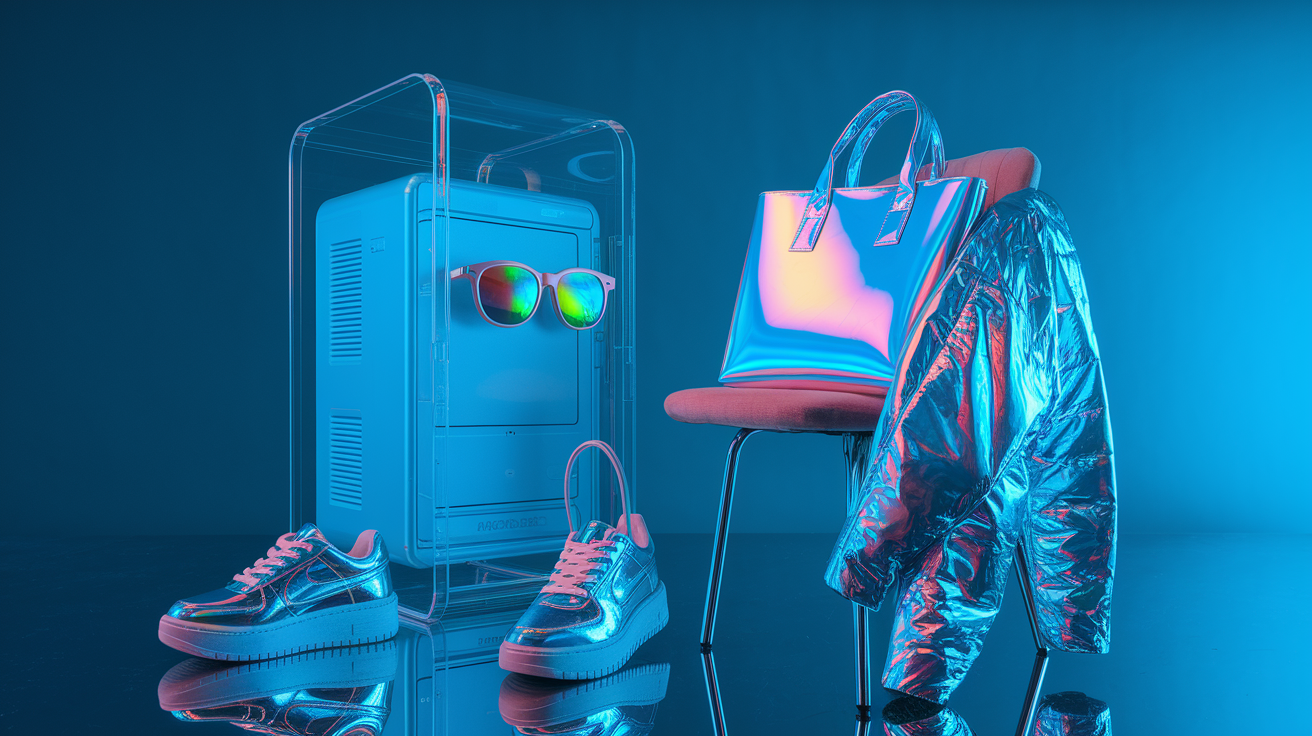
The original Y2K aesthetic was built on shiny, iridescent, translucent materials that signaled a future where technology and fashion merged. Metallic fabrics dominated runways and music videos, paired with color palettes heavy on icy blues, silvers, whites, neon accents. Inflatable furniture, blob-like silhouettes, tech-inspired accessories. The vibe was optimistic and experimental, rooted in this belief that the year 2000 would mark a turning point toward a sleek, digitized world.
The dot-com boom shaped the aesthetic as much as any designer. Tech companies were minting millionaires, the internet felt like uncharted territory, and futurism was cultural currency. Fashion responded with tight, shiny fabrics, space-age sunglasses, silhouettes borrowed from sci-fi films. Christian Dior’s fall 1999 couture show leaned hard into The Matrix aesthetic. Brands like Miu Miu featured translucent dresses with Velcro straps in their Spring/Summer 1996 collections. Even Apple joined in with the 1998 release of the iMac G3, a candy-colored, translucent desktop that embodied the era’s love for playful, visible technology.
Pop culture visuals cemented the aesthetic. The Matrix became a visual blueprint for slick black leather and dark sunglasses. Hip-hop and R&B music videos turned glossy, high-budget sets into fashion stages. Directors like Hype Williams shaped the look with fisheye lenses, metallic backdrops. Stylists like June Ambrose dressed artists in futuristic streetwear. Björk released Post in 1995 and Homogenic in 1997, albums wrapped in ethereal, tech-forward artwork that matched her electronic soundscapes. By the time Daft Punk dropped Discovery in 2001, complete with computer-generated music videos, the connection between digital culture and fashion was locked in.
Pop Culture Icons and Early Influencers Who Shaped Y2K Style

MTV was the distribution channel for Y2K fashion. Music videos and red carpets became real-time trend reports. Pop stars became walking mood boards, and their stylists had more influence than most runway shows. Britney Spears showed up to events in low-rise jeans, rhinestone-studded tops, trucker hats. Christina Aguilera leaned into leather chaps, belly chains, neon highlights. Paris Hilton turned velour tracksuits into a status symbol, pairing them with tiny handbags and oversized sunglasses. Every public appearance was another data point in what would become the defining silhouette of the early 2000s.
Hip-hop culture shaped the look as much as pop did. Stylists like June Ambrose dressed artists in logomania-heavy streetwear, rhinestone belts, oversized accessories that blended luxury branding with street credibility. Directors like Hype Williams turned music videos into fashion showcases. Bad Boy visuals and R&B aesthetics pushed shiny fabrics, bold colors, futuristic sets into the mainstream.
Six key Y2K-influencing figures and their trademark styles:
- Britney Spears: denim-on-denim, low-rise jeans, rhinestone crop tops, trucker hats
- Paris Hilton: velour Juicy Couture tracksuits, micro handbags, oversized sunglasses, pink everything
- Christina Aguilera: belly chains, leather chaps, neon streaks, tiny tops
- Destiny’s Child: matching metallic sets, coordinated stage looks, bold accessories
- June Ambrose (stylist): logomania, oversized jewelry, hip-hop luxury blends
- Jennifer Lopez: low-rise trousers, crop tops, hoop earrings, athleisure glam
Why Original Y2K Fashion Declined in the Mid-2000s

The optimism that drove Y2K fashion evaporated after September 11, 2001. The cultural mood shifted from futuristic confidence to uncertainty and caution. Fashion followed. The Iraq War era reinforced that shift, turning glossy materialism into a tone-deaf aesthetic. Tech optimism faded as the dot-com bubble burst, and the sleek futurism that defined the late 1990s started to feel dated. By the mid-2000s, minimalism was creeping back in. Muted palettes, skinny jeans, tailored basics replacing the shiny excess of the millennium.
The 2008 recession finished off what was left of McBling culture. Velour tracksuits and rhinestone logos felt out of step with a world dealing with financial collapse and job losses. Fast fashion brands like H&M, Zara, Forever 21 pivoted hard toward accessible minimalism. The “model-off-duty” aesthetic took over, driven by figures like the Olsen twins and Kate Moss. Y2K fashion didn’t just fade. It became a cultural punchline, replaced by understated layering, neutral tones, a rejection of anything too flashy or optimistic.
| Cause of Decline | Cultural Effect |
|---|---|
| 9/11 and Iraq War era | Shift from optimism to caution; futuristic aesthetics felt disconnected from geopolitical reality |
| Dot-com bubble collapse | Tech optimism faded; shiny, digital-inspired fashion lost its cultural anchor |
| 2008 global recession | Conspicuous consumption became culturally tone-deaf; minimalism and recession dressing took over |
| Rise of fast fashion minimalism | H&M, Zara, Forever 21 pushed accessible basics; flashy logos and bling fell out of favor |
Timeline of the Y2K Fashion Revival (2019–2025)

The revival started quietly around 2019, with early signals appearing on Instagram and niche fashion forums. Influencers began mixing vintage early 2000s pieces into their outfits. Brands like Urban Outfitters started restocking butterfly clips and mini bags. The aesthetic was still underground, but the pieces were circulating again. Younger consumers were discovering them through secondhand platforms like Depop and Poshmark.
The 2020 pandemic lockdowns accelerated everything. Stuck at home, Gen Z turned to TikTok and spent hours scrolling through nostalgia-heavy content. Y2K fashion videos started flooding For You pages. Users showing off thrifted Juicy Couture tracksuits, low-rise jeans, rhinestone accessories. The aesthetic became a form of escapism, a way to revisit a simpler, pre-crisis era through clothing. Algorithms amplified the trend. By mid-2020, Y2K fashion was one of the most visible microtrends on the platform.
By 2021, the revival had gone fully mainstream. Fashion weeks in New York, Paris, Milan featured Y2K-inspired collections. Celebrities like Bella Hadid and Dua Lipa were photographed in low-rise jeans and baby tees. Brands like Blumarine and Miaou leaned hard into the aesthetic, producing rhinestone-heavy pieces that sold out within hours. The trend had moved from niche internet subculture to high-fashion endorsement, cementing its place in the broader cultural conversation.
From 2022 through 2025, the trend continued to evolve rather than disappear. Retailers stocked Y2K-inspired basics, secondhand platforms reported sustained demand for authentic early 2000s pieces. The aesthetic splintered into sub-trends like “cyber Y2K” and “soft Y2K,” allowing users to personalize the look. As of early 2025, Y2K fashion remains a visible force across runways, social media, street style.
Four chronological milestones:
- 2019: Early revival signals on Instagram and niche platforms; influencers begin mixing vintage early 2000s pieces
- 2020: Pandemic lockdowns drive TikTok explosion; Y2K fashion videos dominate For You pages
- 2021: Mainstream peak with Fashion Week endorsements and celebrity adoption; brands restock Y2K staples
- 2022–2025: Continued evolution and personalization; sub-aesthetics emerge; secondhand demand remains strong
Gen Z’s Role in the Y2K Fashion Comeback
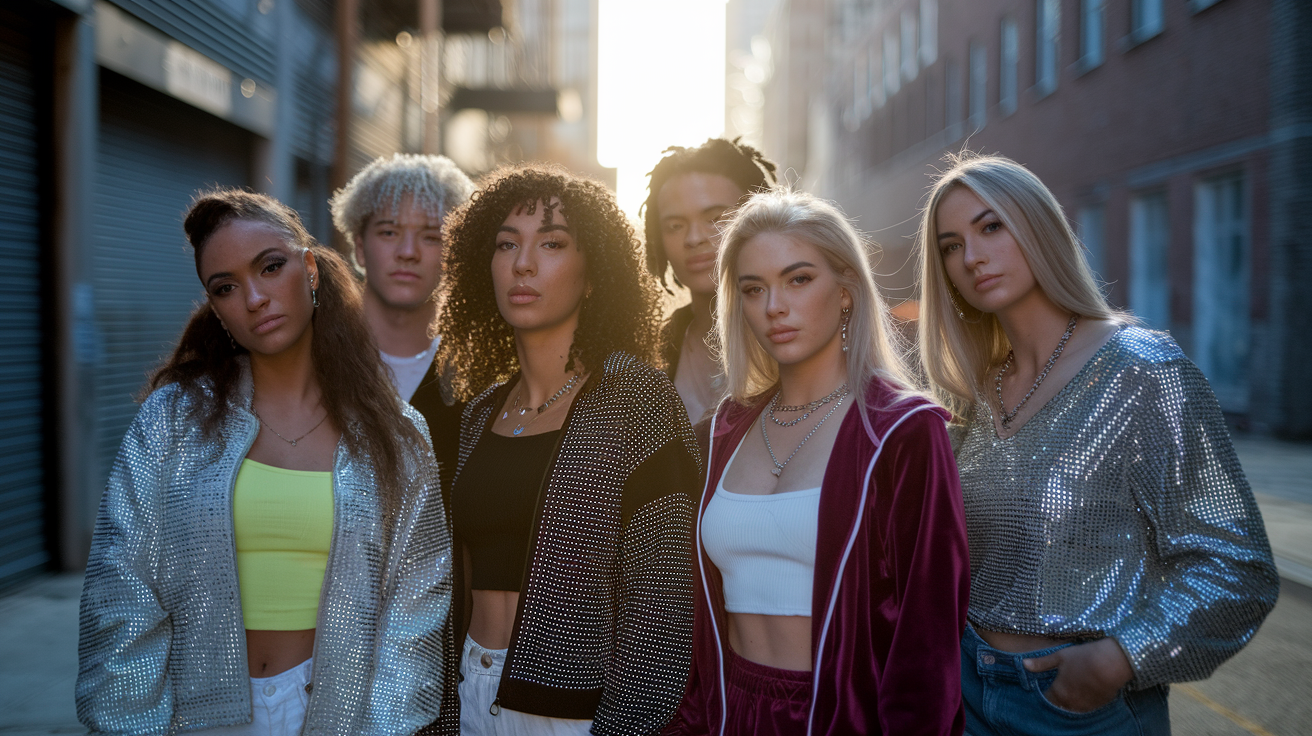
Gen Z’s relationship with Y2K fashion is built on discovery rather than memory. Most members of the generation were either not born or too young to remember the original era, so their nostalgia is secondhand. Shaped by pop culture archives, celebrity Instagram posts, reruns of early 2000s TV shows. That distance creates a kind of emotional freedom, where Y2K becomes a fantasy version of the past rather than a literal recreation. The aesthetic represents a time that feels simpler, more optimistic, less weighed down by the climate anxiety, political division, economic uncertainty that defines their lived experience.
TikTok and Instagram algorithms turned that nostalgia into a mass movement. The For You page doesn’t just show users what they’re already interested in. It introduces them to aesthetics they didn’t know existed. A single video of someone styling a thrifted Juicy Couture tracksuit can rack up millions of views, and suddenly thousands of users are searching for similar pieces. The feedback loop is instant and self-reinforcing, with each viral post pushing the trend further into the mainstream. Gen Z didn’t stumble into Y2K fashion organically. They were algorithmically guided into it.
Escapism plays a major role in why the trend stuck. Gen Z came of age during a global pandemic, contentious elections, Brexit fallout, constant reminders of climate collapse. Y2K fashion, with its bright colors, playful silhouettes, unapologetic materialism, offers a break from that heaviness. It’s a way to dress like the future was still full of promise, even when the present feels unstable. The aesthetic’s emphasis on experimentation and individuality also aligns with Gen Z’s broader cultural values. More than just a nostalgic callback.
Key Fashion Items Driving the Modern Y2K Revival
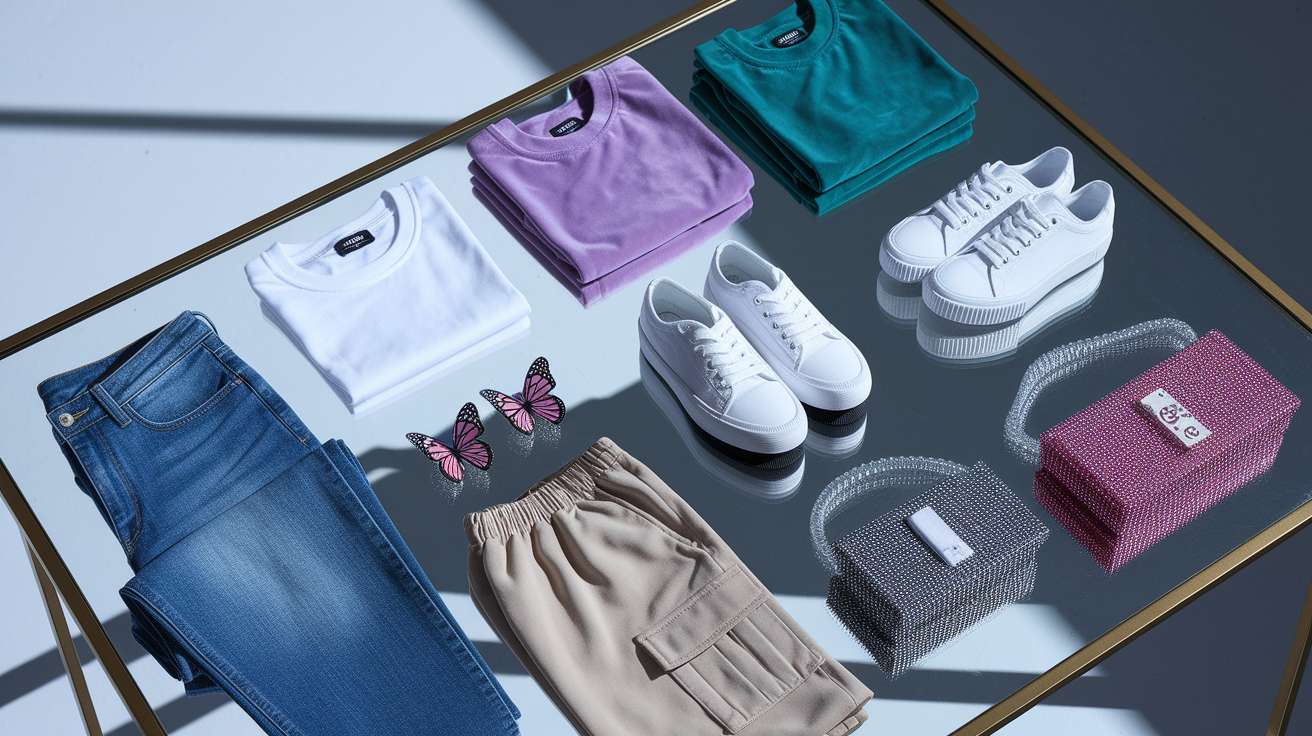
The revival centers on a specific set of items that define the aesthetic without requiring a full wardrobe overhaul. Low-rise jeans are the anchor piece, sitting just below the hips and pairing easily with baby tees, crop tops, oversized hoodies. Velour tracksuits, once synonymous with Paris Hilton and early reality TV, are back in heavy rotation. Often styled with chunky sneakers or platform sandals. Rhinestone embellishments show up on everything from tank tops to handbags, adding a nostalgic flash that feels both playful and intentional.
Micro bags are another staple. Small enough to hold a phone and a credit card but big enough to make a statement. Platform shoes, cargo pants, butterfly clips round out the core items, each one instantly recognizable as Y2K without needing explanation. Brands like Juicy Couture, Von Dutch, Ed Hardy have either relaunched or seen renewed interest in their original pieces. Vintage tracksuits and logo-heavy tees commanding high resale prices on platforms like Depop and Grailed.
These items appeal to current styling trends because they’re easy to mix with modern basics. A baby tee pairs just as well with high-waisted jeans as it does with low-rise. A velour tracksuit can be dressed down with sneakers or dressed up with heels and a mini bag. The flexibility keeps the aesthetic from feeling like a costume, allowing users to pull in Y2K elements without fully committing to the era.
Eight staple revival items:
- Low-rise jeans: the defining silhouette of Y2K, sitting below the hips
- Baby tees: tight, cropped, often with logos or graphics
- Velour tracksuits: Juicy Couture’s signature piece, now widely replicated
- Cargo pants: oversized pockets, loose fit, often in neutral tones
- Platform shoes: chunky sneakers, sandals, boots with thick soles
- Butterfly clips: small, colorful, worn in clusters or as accents
- Rhinestone embellishments: on tops, bags, belts, accessories
- Micro bags: tiny handbags, often branded, just big enough for essentials
The Influence of Thrifting, Vintage Culture, and the Secondhand Economy

The Y2K revival wouldn’t exist in its current form without the secondhand economy. Platforms like Depop, Poshmark, Grailed made it possible to source authentic early 2000s pieces without relying on new production. Gen Z’s comfort with online resale turned those platforms into cultural hubs. A vintage Juicy Couture tracksuit that might have been donated to Goodwill in 2010 is now a $150 item on Depop, complete with detailed photos and era-specific styling tips. The market for Y2K fashion is driven as much by scarcity and authenticity as it is by aesthetic appeal.
Sustainability aligns with the trend in a way that reinforces its cultural relevance. Gen Z is more likely than previous generations to prioritize secondhand shopping, both for environmental reasons and for the thrill of finding unique pieces. Buying a 2003 Von Dutch trucker hat from a reseller feels different than buying a 2024 knockoff from a fast fashion brand. The original carries a sense of history and authenticity that new production can’t replicate. That preference has turned thrifting into a form of curation, where finding the right piece is part of the appeal.
| Platform | Role in Y2K Revival |
|---|---|
| Depop | Peer-to-peer resale app where Gen Z sources authentic early 2000s pieces; known for curated vintage shops |
| Poshmark | Secondhand marketplace with strong Y2K inventory; users sell branded tracksuits, jeans, accessories |
| Grailed | Menswear-focused resale platform; high-end Y2K pieces and rare vintage finds circulate here |
Modern Interpretations vs. Original Y2K Fashion
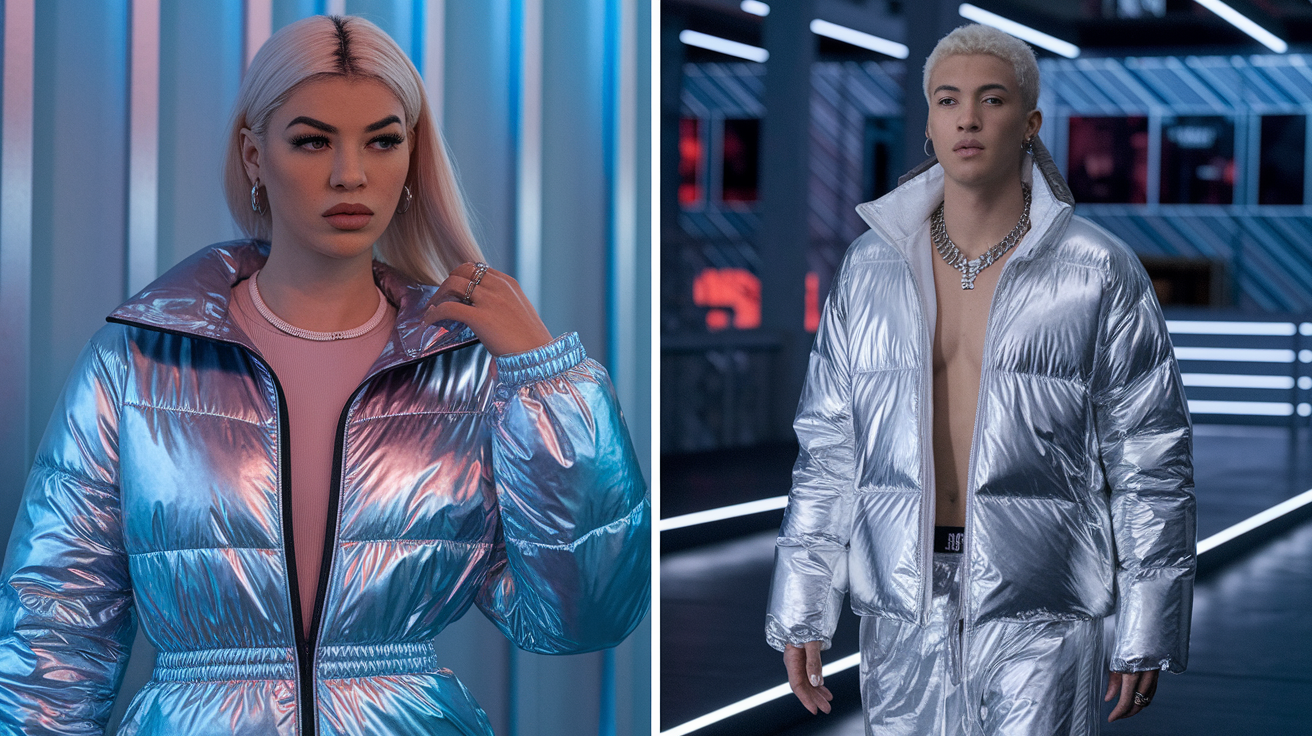
Original Y2K Characteristics
The original Y2K aesthetic was built on forward momentum. It looked toward the future with confidence, shaped by the belief that technology would make life sleeker, faster, more connected. Metallics, iridescence, translucent fabrics dominated, paired with silhouettes borrowed from sci-fi films and space exploration. The mood was experimental and optimistic. Designers and pop stars alike betting on a digital utopia that never quite arrived. Iconic moments like Christian Dior’s Matrix-inspired fall 1999 couture show or the release of Apple’s candy-colored iMac G3 captured that energy perfectly.
The aesthetic was also deeply tied to consumerism. Logomania was everywhere, from Dapper Dan’s early work in hip-hop to Tom Ford’s Gucci collections. Owning the right branded tracksuit or accessory was a status marker, and the culture celebrated visible wealth in a way that felt unapologetic. Music videos, reality TV, early internet culture all reinforced the same message: the future was shiny, flashy, full of possibility.
Modern Remix Characteristics
The modern Y2K revival flips that optimism into nostalgia. Instead of looking forward, it looks back, mining the early 2000s for comfort and escapism. The aesthetic is still playful and experimental, but it’s filtered through a Gen Z lens that values personalization, inclusivity, sustainability. Low-rise jeans are paired with oversized blazers and chunky sneakers, baby tees are layered over long-sleeve shirts, rhinestone accessories are DIY-applied rather than mass-produced. The result is a hybrid look that pulls from Y2K while mixing in elements of streetwear, minimalism, vintage curation.
The modern version is also more inclusive. The original era was dominated by thin, white, wealthy celebrities, with limited representation across body types, races, gender identities. The revival, shaped by social media’s broader reach, features a wider range of bodies and identities. Influencers of all sizes, backgrounds, styles are reinterpreting Y2K fashion in ways that feel personal rather than prescriptive. Sub-aesthetics like “cyber Y2K” and “soft Y2K” allow users to tailor the trend to their own identities, creating a version of the aesthetic that feels more adaptable and less uniform.
Hybrid styling is central to the modern interpretation. A 2024 Y2K outfit might include a thrifted baby tee, high-waisted vintage jeans, platform sneakers, rhinestone-studded bag. Pulling from multiple eras and styling traditions at once. That flexibility keeps the aesthetic from feeling like a costume and allows it to coexist with other trends rather than demanding full commitment.
Cultural and Economic Reasons Behind the Y2K Revival

Fashion cycles are driven by economics as much as nostalgia. The 20-year pattern isn’t arbitrary. It’s the result of generational turnover and the speed at which trends circulate through culture. By the time a trend is 20 years old, it’s far enough in the past to feel fresh again but recent enough that physical items still exist in thrift stores and family closets. The early 2000s hit that sweet spot around 2019. The infrastructure to support the revival, secondhand platforms, social media algorithms, celebrity influence, was already in place.
Escapism is the emotional engine behind the comeback. Gen Z’s formative years have been defined by crisis: climate anxiety, political division, a global pandemic, economic instability. Y2K fashion, with its bright colors, playful silhouettes, unapologetic materialism, offers a break from that heaviness. It’s a way to dress like the future was still full of promise, even when the present feels uncertain. The aesthetic doesn’t solve those problems, but it provides a visual escape. A way to signal optimism or experimentation through clothing.
Nostalgia marketing and celebrity amplification speed up the cycle. Brands know that nostalgia sells, so they reissue old collections, partner with vintage resellers, hire influencers to showcase Y2K-inspired pieces. Celebrities like Bella Hadid, Dua Lipa, Olivia Rodrigo wear the aesthetic on red carpets and in music videos, turning it into aspirational content that trickles down to mass audiences. The combination of algorithmic distribution, celebrity endorsement, economic accessibility through secondhand markets creates a feedback loop that keeps the trend alive far longer than it might have lasted in a pre-digital era.
Final Words
We sketched how Y2K’s early-2000s look, metallics, low-rise jeans and bling, rose with dot-com optimism and then dipped before making a comeback on TikTok.
The revival came fast: Gen Z discovery, algorithm amplification, resale markets, and celebrity moments all sped a 20-year fashion cycle back into view. It’s both thrift-driven and reimagined for now.
For a quick takeaway, the history of Y2K fashion revival explained: nostalgia plus digital speed and sustainable sourcing. It feels playful again, and that’s the point.
FAQ
Q: What was Y2K fashion and when did it happen?
A: Y2K fashion was the turn-of-the-millennium style (roughly 1999–2004) defined by metallics, translucent fabrics, shiny finishes and tech-inspired silhouettes reflecting dot-com optimism and pop-culture visuals.
Q: Why did Y2K fashion decline in the mid-2000s?
A: Y2K fashion declined because post-9/11 mood shifts, fading tech optimism, the rise of minimalism, and recession-era practicality made flashy McBling styles feel out of step and less wearable.
Q: When did the Y2K revival start and how did it spread?
A: The Y2K revival began around 2019 and spread via TikTok and Instagram, surging during early-2020s lockdowns and growing through influencers, celebrities, and a roughly 20-year trend cycle.
Q: What forces are driving the Y2K comeback?
A: The Y2K comeback is driven by Gen Z nostalgia, TikTok visibility, celebrity reinforcement, secondhand markets like Depop, and the roughly 20-year cyclical return of fashion trends.
Q: Which key items define the modern Y2K look?
A: Key modern Y2K items include low-rise jeans, baby tees, velour tracksuits, micro bags, rhinestone logos, platform shoes, cargo pants, and butterfly clips.
Q: How does modern Y2K differ from the original early 2000s style?
A: Modern Y2K remixes original McBling with 1990s influences, updates silhouettes, prioritizes inclusivity, and blends playful pieces with oversized tailoring and sneakers for a hybrid, personalized look.
Q: What role does Gen Z play in the Y2K revival?
A: Gen Z fuels the revival by discovering Y2K as nostalgia, amplifying looks through algorithms, seeking escapist fun during crises, and remixing pieces into individualized, online-friendly styles.
Q: How important are thrifting and Depop to the revival?
A: Thrifting and Depop are crucial because they surface authentic 1999–2004 pieces, make the aesthetic affordable, support sustainability, and let rare originals recirculate in youth culture.
Q: How did pop culture shape original Y2K style?
A: Pop culture shaped original Y2K through stars like Britney, Christina, and Paris Hilton, MTV-era styling, Hype Williams videos, and films like The Matrix that pushed metallic, futuristic aesthetics.
Q: What cultural and economic reasons explain the Y2K comeback?
A: The comeback reflects nostalgia marketing, algorithmic acceleration, a desire for optimistic escapism amid political and climate anxiety, and consumer demand for identity-driven trends.
Q: How can someone style Y2K looks in a modern, wearable way?
A: To wear Y2K today, pair a baby tee or low-rise jeans with an oversized blazer or sneakers, keep bling to one focal piece, and mix vintage finds with clean modern basics.