
Think limited-release films pop up on Netflix like big studio movies?
They don’t.
Indie and festival titles often slide into digital stores with zero warning, so browsing platforms won’t cut it.
This quick guide gives free tools, smart alerts, and a 15-minute weekly routine to catch nearly every limited-release streaming date.
You’ll learn how to use JustWatch and Reelgood, set Google Alerts, and scan “Coming Soon” pages so you get notified the moment a film drops.
Why Limited-Release Films Are Harder to Track

Limited-release films don’t follow the same timelines as wide theatrical releases. A major studio blockbuster? It announces its streaming date weeks ahead and lands on every platform at once. An independent or festival film might premiere at Sundance in January, get picked up by a distributor in February, roll out to 20 theaters in September, and quietly show up on digital rental platforms in November with almost no warning.
These films skip the predictable marketing drumbeat. Distributors often finalize streaming deals late, and platforms may not list a title until days before launch. If you rely on browsing Netflix or Hulu, you’re going to miss most limited releases entirely. Active tracking is the only reliable way to know when a film you saw at a festival or heard about in a trade headline becomes available at home.
The good news: a handful of free tools, a few smart alerts, and a 15 minute weekly routine will catch nearly every release you care about.
Key Tools to Track Streaming Releases
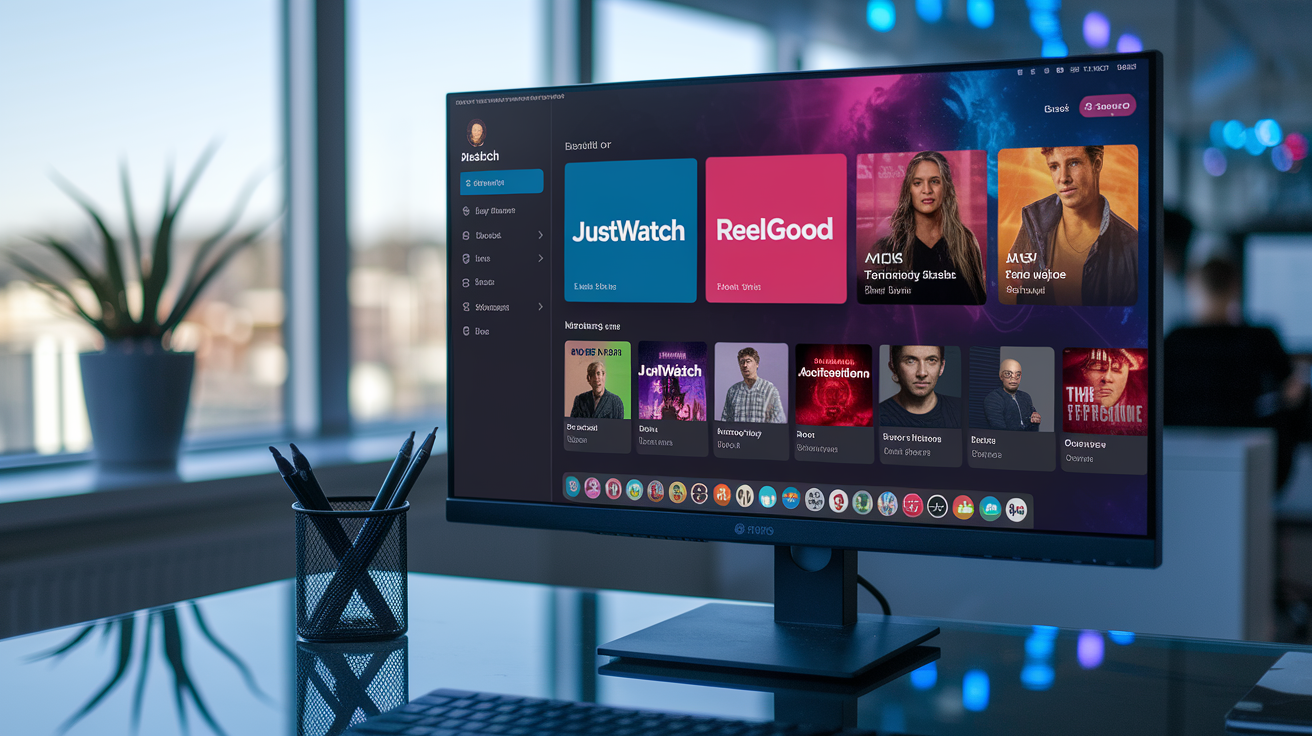
JustWatch is the single most useful tracker for limited releases. The site pulls availability from more than 100 streaming services in the U.S., including PVOD storefronts like Apple TV and Prime Video. Create a free account, search for a title, and add it to your Watchlist. Toggle on notifications, and JustWatch will email or push notify you the moment the film becomes available on any platform you’ve selected. You can filter by region, price, and release type (subscription, rental, purchase). Check JustWatch at least once a week, and enable alerts for every film you’re tracking.
Reelgood works the same way but with a cleaner interface and faster mobile app. Add titles to “My List,” enable release notifications, and Reelgood will alert you when a film moves from theatrical to streaming or when it switches platforms. Reelgood also highlights new arrivals by service, so you can browse what hit Netflix, Hulu, or MUBI in the past seven days. Use Reelgood alongside JustWatch. Alerts from both services ensure you won’t miss a surprise early access window or a limited time curator slot.
IMDb and The Movie Database (TMDb) publish official release date pages that distributors update directly. Search for a film, scroll to the “Release Info” section, and you’ll see theatrical dates, digital dates, and sometimes PVOD or SVOD windows. Add the title to your IMDb Watchlist, and check back weekly. TMDb lists are especially reliable for international and festival films because contributors update entries quickly after acquisition announcements.
Platform watchlists and “Remind Me” features live inside Netflix, Prime Video, Hulu, and Apple TV apps. If a title appears on a platform’s “Coming Soon” page, tap the bell or “Notify Me” button. You’ll get a push notification on release day. This works best for films that already have distribution deals with major streamers, but it won’t help if you’re tracking a festival premiere that hasn’t yet been acquired.
Platform specific trackers like What’s on Netflix, New on Prime Video, and New on Hulu publish daily or weekly lists of new arrivals. Bookmark these sites and scan them every Tuesday (the industry standard digital release day). These trackers often catch titles that slip onto a platform without a press release or social announcement.
Aggregators and RSS feeds from sites like Flixable, Decider, and The Playlist compile streaming news and distributor announcements. Subscribe to their newsletters or add their RSS feeds to an RSS reader (Feedly, Inoreader). You’ll see headlines like “NEON Acquires Festival Winner for Fall Release” or “A24 Announces Digital Date for Limited Drama,” often weeks before the film appears on a tracker.
Theatrical to Streaming Windows for Indie and Limited Releases
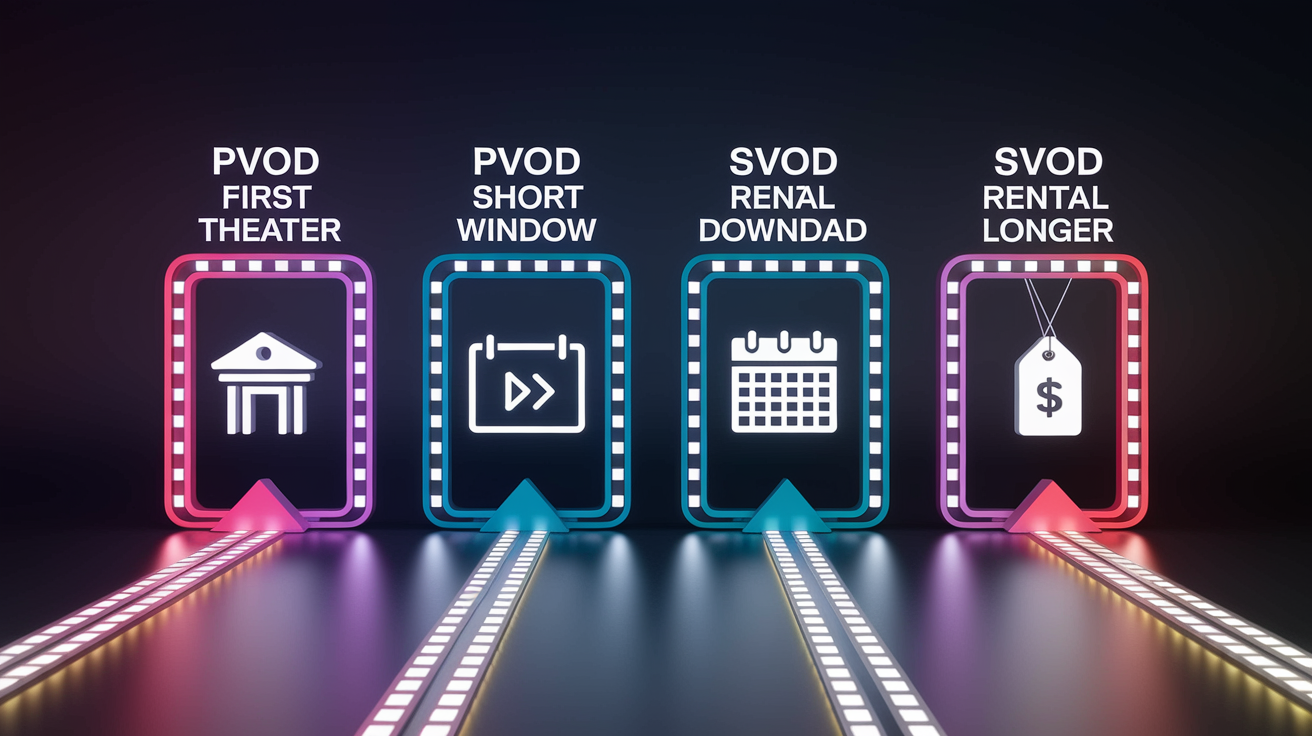
Most limited releases follow one of four timing patterns.
Day and date releases (0 days) launch in select theaters and on digital platforms simultaneously. This model is common for micro budget indies and documentaries that prioritize accessibility over box office revenue. A distributor might book five theaters in major cities and release the film on Apple TV and Prime Video the same day. If you see “In Theaters and On Demand” in a press release, expect immediate streaming availability.
PVOD first or early digital (7 to 30 days) means the film appears on premium video on demand within a month of its limited theatrical run. The distributor keeps the film in a few theaters for prestige and awards eligibility, then shifts to digital rental at $19.99 to $29.99. This window is popular with genre films and star driven indies that can command a premium price. Check retailer pages (Apple, Amazon, Vudu) 10 to 20 days after the film opens in theaters.
Short window SVOD or rental (30 to 90 days) is the most common pattern for well reviewed festival films. The distributor books a limited run, collects critical reviews, and then moves to transactional rental (typically $5.99 to $6.99) or a subscription service within three months. A film that premieres at TIFF in September might open in 50 theaters in October and land on Hulu or MUBI by December. Track the first weekend box office numbers. If they’re modest, expect a quick pivot to streaming.
Longer windows before SVOD (3 to 12 months) happen when a distributor aims for awards season or wants to maximize theatrical revenue. A Sundance winner in January might play festivals through spring, open in limited release in November, and not reach Netflix or Prime until the following February. This pattern is frustrating to track because the distributor won’t announce a streaming date until the awards campaign is over. The only solution is to set alerts and check weekly.
Seasonal and awards driven exceptions complicate these timelines. A film that premieres at Cannes in May but gets a U.S. release in December will often hold its streaming debut until after the Oscars in March. If a film is generating buzz on the festival circuit, add three to six months to your expected streaming window.
| Release Pattern | Typical Days After Theatrical | Example |
|---|---|---|
| Day and date | 0 days | Limited theatrical + Apple TV same day |
| PVOD first | 7 to 30 days | Theatrical Oct 5 → PVOD Oct 25 at $24.99 |
| Short window SVOD/rental | 30 to 90 days | Theatrical Sept 15 → Hulu Dec 1 |
| Longer SVOD window | 90 to 365 days | Festival premiere Jan → theatrical Nov → Netflix Mar |
PVOD vs SVOD vs Transactional On Demand
Premium Video On Demand (PVOD) is early access rental or purchase, typically priced at $19.99 to $29.99 for a 48 to 72 hour viewing window. PVOD launches before or shortly after a limited theatrical run, allowing distributors to capture audience demand while the film is still in the cultural conversation. PVOD titles appear on Apple TV, Prime Video, Vudu, and Google Play. If a film is listed as “Pre-order” on Apple TV two weeks before its theatrical date, that’s a PVOD release. PVOD windows usually last 30 to 60 days before the film moves to standard rental pricing.
Subscription Video On Demand (SVOD) means the film is included in a monthly subscription service. Netflix ($6.99 to $22.99/month), Hulu ($7.99 to $17.99/month), Prime Video (included with Prime), MUBI ($14.99/month), Criterion Channel ($10.99/month). SVOD releases typically occur 90 to 180 days after PVOD or limited theatrical, though some distributors negotiate exclusive SVOD windows that push the film straight to a streamer after a brief theatrical run. A film that skips PVOD and goes directly to Netflix after 60 days is using a short exclusive SVOD window.
Transactional Video On Demand (TVOD) is standard digital rental or purchase after the PVOD window closes. TVOD rentals cost $3.99 to $6.99 for 48 hours. Digital purchases run $9.99 to $19.99. TVOD availability is permanent. Once a film hits TVOD, it stays available on retailer platforms indefinitely, even if it later appears on SVOD. If you see a film listed at $5.99 rental on Prime Video three months after its theatrical run, that’s TVOD.
Typical timelines: a festival film premieres in January, gets picked up by a distributor in February, opens in limited release in September, launches PVOD in October at $24.99, drops to TVOD in December at $5.99 rental, and lands on Hulu SVOD in March.
How to Set Up Alerts and Automated Tracking
JustWatch watchlist and notifications. Sign up at justwatch.com, search for the film by exact title, click “Add to Watchlist,” and toggle on “Notify me when available.” Open your account settings and enable email or push notifications. Set your region to “United States” and select the platforms you subscribe to or want to monitor. JustWatch will email you the day the film becomes available on any of those services.
Reelgood notifications. Create a free account at reelgood.com, search for the title, click “Add to My List,” and enable “Notify me” under the title’s detail page. Go to Settings → Notifications and turn on email and mobile push. Reelgood sends alerts within hours of a new release, often faster than JustWatch.
Google Alerts for streaming announcements. Visit google.com/alerts and create a new alert with this query format: “Exact Film Title” streaming OR “digital release” OR PVOD OR “available on”. Set delivery to “As it happens.” Use quotes around the film title to avoid false matches. Google will email you the moment a press release, review, or blog post mentions the film and any of those keywords. Set up one alert per film you’re tracking.
IMDb watchlist and RSS. Add the film to your IMDb watchlist, then subscribe to the IMDb RSS feed for your watchlist (imdb.com/rss/watchlist). Plug that feed into an RSS reader like Feedly or Inoreader, and you’ll see updates when IMDb’s release date page changes. This method is slower than JustWatch but useful for films with uncertain distribution.
IFTTT or Zapier automation. If you want to route alerts to Slack or a shared tracking sheet, use IFTTT (ifttt.com) or Zapier (zapier.com) to connect RSS feeds to email, Slack, or Google Sheets. For example, subscribe to a distributor’s press release RSS feed, then create an IFTTT applet that posts new items to a Slack channel. This setup is overkill for casual tracking but useful if you’re monitoring dozens of titles.
Recommended alert mix. For each priority film, set up alerts on JustWatch, Reelgood, and Google Alerts. Add the film to your IMDb watchlist and check platform “Remind Me” features if the film is already listed. That mix will catch 95 percent of release date announcements, usually within 24 hours.
Distributor, Festival, and Filmmaker Tracking Strategies

Follow top indie distributors because they announce streaming dates on their websites, newsletters, and social channels weeks before the film appears on aggregators. Key distributors to monitor: A24, NEON, IFC Films, Magnolia Pictures, Bleecker Street, Kino Lorber, Oscilloscope, Music Box Films, Samuel Goldwyn Films, Greenwich Entertainment, Magnolia Pictures, Well Go USA, and Watermelon Pictures. Sign up for their email newsletters and follow their Twitter/Instagram accounts. Enable post notifications for their social profiles so you see trailer drops and digital date announcements in real time.
Distributors often post press releases with exact PVOD or SVOD dates 10 to 20 days before launch. A typical announcement reads, “Available on Digital and On Demand April 15.” That’s your cue to add the date to your calendar and check retailer pages on April 14.
Track festival screening dates and acquisition news because acquisition announcements predict streaming timelines. A film that premieres at Sundance in January and gets picked up by NEON in February will likely see a fall theatrical release and winter streaming window. Follow festival program pages (Sundance, TIFF, SXSW, Tribeca, Cannes, Venice, Telluride) and subscribe to their press release feeds. Trade outlets like Deadline, Variety, IndieWire, and The Hollywood Reporter publish acquisition stories within hours of festival deals. Add RSS feeds for those outlets to your reader and scan daily during major festival windows (January, March, May, September).
Use FilmFreeway and festival program pages to see where a film is playing next. If a film you care about is listed in the SXSW 2026 lineup, that festival page will link to the distributor and often include a “Release Info” section. Bookmark the festival’s official schedule and check back weekly during the event. Festival pages update quickly when a distributor announces a theatrical or digital date.
Filmmaker and cast social accounts sometimes announce streaming dates before press releases go live. Follow the director, lead actors, and producers on Instagram or Twitter. Enable notifications for their accounts. A director might post, “Excited to share that our film hits Apple TV and Prime Video on May 15!” two weeks before the official announcement. This method is hit or miss, but it works well for micro budget films that rely on grassroots promotion.
Typical acquisition to streaming timeline: festival premiere → distributor acquisition within 0 to 90 days → theatrical release 60 to 180 days after acquisition → PVOD 0 to 30 days after theatrical → SVOD 60 to 180 days after PVOD. A film that premieres at TIFF in September and gets picked up by A24 in October might open in limited release in March, launch PVOD in April, and land on Max or Netflix in July.
Platform Specific Premiere Nuances
Netflix often negotiates exclusive global licensing windows that delay a film’s availability on other platforms. If Netflix acquires a limited release film, expect a 90 to 180 day exclusive SVOD window after theatrical. Netflix releases films globally on the same day, but they may skip PVOD entirely and go straight from limited theatrical to Netflix. Follow Netflix’s “New Releases” page and the Netflix press site (about.netflix.com/en/news) for monthly announcements. Netflix rarely lists titles more than 30 days in advance, so enable JustWatch and Reelgood alerts to catch surprise additions.
Prime Video and Amazon have complex regional rights and staggered rollouts. A film may appear on Prime Video in the U.S. but remain unavailable in the U.K. for months. Prime also offers both PVOD (early rental at $19.99) and SVOD (included with Prime membership) options, sometimes for the same film at different times. Check the “Prime Video Store” tab and filter by “New Releases” to see PVOD titles. Enable watchlist notifications in the Prime Video app, and use JustWatch’s region toggle to confirm U.S. availability.
Hulu and Disney+ often share content under the Disney umbrella. Some limited release films acquired by Searchlight Pictures or 20th Century Studios will appear on Hulu first, then migrate to Disney+ months later. Hulu lists titles 7 to 14 days before launch on its “Coming Soon” page. Enable Hulu’s “My Stuff” notifications and check the page weekly.
MUBI and Criterion Channel curate limited windows and scheduled programming. MUBI rotates one new film per day and keeps titles available for 30 days. Criterion Channel programs themed collections and adds new films monthly. Both services announce their monthly lineups 7 to 10 days before the month begins. Subscribe to their newsletters and follow their social channels. If a limited release film you’re tracking fits MUBI’s aesthetic (international, auteur driven, festival pedigree), check their schedule weekly.
Day and date and exclusive platform windows. Some indie distributors choose simultaneous theatrical and streaming releases on a single platform. A film might launch in 10 theaters and exclusively on Apple TV for 30 days before expanding to other retailers. Watch for phrases like “Exclusively on Apple TV” or “Only on Prime Video.” Those signal a temporary platform exclusive window. After 30 to 60 days, the film will expand to TVOD on all retailers.
Region locks and staggered international releases. A film may stream in the U.S. weeks or months before it appears in Canada, the U.K., or Australia. Use JustWatch’s region selector to check availability in your country. If you see a film listed on JustWatch UK but not JustWatch US, expect a staggered release. Google Alerts will catch U.S. announcements, but you may need to follow the distributor’s regional social accounts (e.g., @A24UK) for international dates.
Practical Daily and Weekly Workflow

Weekly 10 to 15 minute checklist. Every Tuesday (standard digital release day), open JustWatch and Reelgood and check your Watchlist for new availability. Scan “What’s on Netflix,” “New on Prime Video,” and “New on Hulu” for surprise additions. Open your RSS reader and skim headlines from Deadline, IndieWire, and your subscribed distributor feeds. Check festival program pages if a major event (Sundance, SXSW, Cannes) is running that week. Review your Google Alerts inbox and click through to confirm any release date announcements.
Monthly festival and distributor audit. Once a month, visit the websites of your top five distributors (examples: A24, NEON, IFC, Magnolia, Kino Lorber) and scan their “Upcoming Releases” or “Coming Soon” pages. Check the Sundance, TIFF, and SXSW program archives to see which films from recent festivals have been acquired and scheduled. Update your Watchlist with any new titles.
Set alerts for 3 to 5 priority films at a time. Tracking dozens of films simultaneously is overwhelming and inefficient. Pick three to five titles you’re most interested in, set up JustWatch, Reelgood, and Google Alerts for each, and focus on those. Once a film releases or you lose interest, replace it with a new title. This keeps your alert volume manageable and ensures you actually follow through when a notification arrives.
Check platform apps on release day. Alerts sometimes arrive late or get filtered to spam. On the day a film is supposed to release (based on a distributor announcement or press release), open the Apple TV, Prime Video, or Hulu app and search for the title by name. Scroll to the “Movies” tab and filter by “New Releases” to confirm availability. If the film isn’t listed, check back in the evening. Platforms often publish new titles at midnight Pacific or midday Eastern.
Sample Scenarios and Templates

Template Google Alert query:
“The Super Mario Galaxy Movie” streaming OR “digital release” OR PVOD OR “available on”
Frequency: As it happens
Sources: Automatic (all sources)
Language: English
Region: United States
Deliver to: your-email@example.com
Sample JustWatch setup steps:
- Go to justwatch.com and create a free account.
- Search for “Exit 8” in the search bar.
- Click the “+ Watchlist” button on the film’s detail page.
- Click the bell icon and toggle on “Notify me when available.”
- Go to Settings → Notifications and enable email or push notifications.
- Select “United States” as your region.
- Choose the platforms you want to track (Netflix, Hulu, Prime Video, Apple TV, MUBI, etc.).
- Save settings and wait for the alert.
Reelgood notification example:
Add “Mortal Kombat 2” to My List → open the film’s page → click “Notify me” → enable email and push in Settings → receive email the day the film launches on Max or Prime Video.
Tracking a festival film from premiere to streaming:
Jan 20, 2026: Film premieres at Sundance.
Jan 25, 2026: NEON acquires distribution rights (announced via Deadline).
Set Google Alert: “Film Title” + streaming OR digital OR PVOD.
Add to JustWatch and Reelgood watchlists.
Follow NEON on Twitter/Instagram and enable notifications.
Sept 15, 2026: NEON announces limited theatrical release for Nov 8.
Oct 30, 2026: NEON posts trailer with “In Theaters and On Demand Nov 8.”
Nov 7, 2026: Check Apple TV and Prime Video. Film listed for $24.99 PVOD.
Dec 15, 2026: PVOD window closes. Film drops to $5.99 rental TVOD.
Feb 1, 2027: JustWatch alert. Film now included on Hulu.
What to monitor in the first 180 days after a festival premiere:
| Days After Festival Premiere | What to Track |
|---|---|
| 0 to 30 days | Distributor acquisition announcements (Deadline, Variety, festival press pages) |
| 30 to 90 days | Theatrical release date announcements and trailer drops (distributor social, trade outlets) |
| 60 to 120 days | PVOD or day and date digital announcements (distributor press releases, retailer pre-order pages) |
| 90 to 180 days | SVOD licensing announcements and platform addition (JustWatch, Reelgood, Netflix/Hulu newsletters) |
FAQ and Quick Reference

How long after theatrical release does a limited film typically hit streaming?
Most limited releases appear on PVOD or TVOD within 30 to 90 days of their theatrical premiere. Films with strong box office performance or awards campaigns may delay SVOD for 90 to 180 days or longer. Day and date releases stream immediately.
What is the average PVOD price for a limited release film?
PVOD rentals typically cost $19.99 to $29.99 for a 48 to 72 hour viewing window. After 30 to 60 days, the film usually drops to standard TVOD rental pricing of $3.99 to $6.99.
Which tools send the fastest streaming alerts?
Reelgood and JustWatch send email or push notifications within hours of a new release. Google Alerts can be slower (12 to 24 hours) but catch press releases and blog posts that aggregators miss.
Do limited release films always skip wide theatrical runs?
Yes. Limited release means the film opens in fewer than 600 theaters (often 10 to 100). These films prioritize critical reviews, festival buzz, and awards eligibility over box office revenue, so they move to streaming faster than wide releases.
How can I track international streaming dates for a U.S. festival film?
Use JustWatch’s region selector to toggle between countries (U.S., U.K., Canada, Australia). Follow the distributor’s regional social accounts (e.g., @A24UK, @NEONRated UK) and set Google Alerts with the film title and region specific keywords (“UK streaming,” “Canada digital release”).
What is the difference between PVOD, TVOD, and SVOD?
PVOD (Premium Video On Demand): early access rental at $19.99 to $29.99, available 0 to 60 days after theatrical.
TVOD (Transactional Video On Demand): standard rental ($3.99 to $6.99) or purchase ($9.99 to $19.99), available after PVOD window closes.
SVOD (Subscription Video On Demand): included in a monthly subscription (Netflix, Hulu, Prime, MUBI), typically 90 to 180+ days after theatrical.
Which distributors should I follow for reliable streaming date announcements?
A24, NEON, IFC Films, Magnolia Pictures, Bleecker Street, Kino Lorber, Music Box Films, Oscilloscope, Samuel Goldwyn Films, Greenwich Entertainment, and Well Go USA. Sign up for their newsletters and follow their social accounts with notifications enabled.
Can I rely on Netflix or Hulu to announce limited release films in advance?
Rarely. Netflix and Hulu list most titles only 7 to 30 days before release. Use JustWatch, Reelgood, and distributor announcements to catch earlier confirmation, then enable platform “Remind Me” features once the film appears on the service’s “Coming Soon” page.
Resources List
Trackers and aggregators:
JustWatch (justwatch.com)
Reelgood (reelgood.com)
IMDb (imdb.com)
The Movie Database / TMDb (themoviedb.org)
Letterboxd (letterboxd.com)
What’s on Netflix (whatsonnetflix.com)
New on Prime Video (newonprimevideo.com)
Flixable (flixable.com)
Decider (decider.com)
Festival program pages:
Sundance Film Festival (festival.sundance.org)
Toronto International Film Festival / TIFF (tiff.net)
SXSW (sxsw.com/festivals/film)
Tribeca Festival (tribecafilm.com/festival)
Cannes Film Festival (festival-cannes.com)
Venice Film Festival (labiennale.org/en/cinema)
Telluride Film Festival (telluridefilmfestival.org)
Distributor homepages and press pages:
A24 (a24films.com)
NEON (neonrated.com)
IFC Films (ifcfilms.com)
Magnolia Pictures (magpictures.com)
Bleecker Street (bleeckerstreetmedia.com)
Kino Lorber (kinolorber.com)
Music Box Films (musicboxfilms.com)
Oscilloscope Laboratories (oscilloscope.net)
Samuel Goldwyn Films (samuelgoldwynfilms.com)
Greenwich Entertainment (greenwichentertainment.com)
Well Go USA (wellgousa.com)
Trade outlets for acquisition and release news:
Deadline (deadline.com)
Variety (variety.com)
IndieWire (indiewire.com)
The Hollywood Reporter (hollywoodreporter.com)
The Playlist (theplaylist.net)
Alert and automation tools:
Google Alerts (google.com/alerts)
IFTTT (ifttt.com)
Zapier (zapier.com)
Feedly (feedly.com)
Inoreader (inoreader.com)
Final Words
If you’re racing to watch a limited-release film the moment it hits streaming, this guide put you in the driver’s seat.
We covered checking distributor and festival pages, following studios and filmmakers on social, using aggregator sites and streaming watchlists, and setting alerts so you don’t miss a drop.
Keep the simple checklist from above. Those quick steps make tracking a lot less annoying. This walkthrough on how to find streaming release dates for limited-release films should help you spot a release fast, so you’ll be ready the day it lands.
FAQ
Q: What’s the best site for movie release dates?
A: The best site for movie release dates is IMDb for comprehensive listings; Box Office Mojo and Fandango are also helpful for box-office numbers and ticket availability.
Q: How far in advance are movie release dates announced?
A: Movie release dates are typically announced months to a year in advance, with major studio films often set 6–12 months ahead and indie or smaller films announced closer to release.
Q: What is the app that tracks movie release dates?
A: The app that tracks movie release dates is IMDb, which offers release calendars; other popular apps include JustWatch and Fandango for showtimes, streaming alerts, and ticket sales.
Q: Why are some movies only limited release?
A: Some movies are limited release because distributors test audience reaction, aim for awards eligibility, or target niche audiences; limited runs can build buzz before a wider rollout.