

What if the red carpet finally went green?
During the 2020 awards run, stars like Margot Robbie, Saoirse Ronan, Joaquin Phoenix, and Olivia Colman chose sustainable designers and rewear strategies, from archive gowns to recycled fabrics and lab-grown gems.
This guide breaks down those headline moments, the designers behind them, like Stella McCartney, Gucci, Louis Vuitton, and Prada, and the materials proving glamour can be low waste and still headline-worthy.
Read on to see which designers are changing awards season and why it matters now.
Key Celebrity Moments Featuring Sustainable Designers on the Red Carpet

At the 2020 Oscars, a wave of celebrities turned one of fashion’s most visible stages into a showcase for sustainable designers on the red carpet. Cate Blanchett arrived at the Venice Film Festival that year in a fully pre-worn outfit. She deliberately chose to reuse a previous red carpet look instead of commissioning something new. Margot Robbie stepped onto the Academy Awards carpet in a vintage Chanel dress from the 1994 collection, retailored to fit her perfectly. Saoirse Ronan’s Oscars gown, created by Gucci, was built entirely from repurposed fabrics. She demonstrated fabric reuse across awards season by using the same black material for both her BAFTAs and Oscars looks.
Joaquin Phoenix made one of the most visible sustainable red carpet fashion statements by wearing the same Stella McCartney suit to virtually every single awards ceremony throughout the 2020 season. Kim Kardashian West chose a rare archival gown from 2003 for the Vanity Fair after-party. Only two copies of that collection dress exist worldwide, with the other held in the Metropolitan Museum of Art. Léa Seydoux wore a white floor-length Louis Vuitton gown made from organic silk faille spun as Tencel Luxe filament yarn, paired with organic satin sandals, in collaboration with the Red Carpet Green Dress campaign. Timothée Chalamet brought sustainable menswear forward in a Prada zip-up bomber jacket and trousers constructed entirely from recycled nylon.
Emma Watson, a UN Goodwill Ambassador since 2014, has consistently favored recycled, upcycled, and regenerated materials for her red carpet appearances, supporting sustainable rating platforms like Good On You. Olivia Colman chose a Stella McCartney caped gown made from sustainable velvet for the Oscars and paired it with ethical lab-grown diamonds she’d worn earlier at the BAFTAs. Kaitlyn Dever wore a red Louis Vuitton gown crafted with silk satin certified by Red Carpet Green Dress and walked in custom platform shoes by Aldo, a brand certified climate neutral after offsetting 100% of its 2017 carbon emissions.
Celebrity Sustainable Gowns and Designer Pairings (2020 Awards Season)
- Cate Blanchett — Venice Film Festival 2020, fully pre-worn look, reuse of previous red carpet outfit
- Margot Robbie — 2020 Oscars, 1994 vintage Chanel dress, retailored archive piece
- Saoirse Ronan — 2020 Oscars, Gucci gown made entirely from repurposed fabrics, same material used at BAFTAs
- Joaquin Phoenix — 2020 awards season, Stella McCartney suit worn repeatedly to every ceremony
- Léa Seydoux — 2020 Oscars, Louis Vuitton gown in organic silk faille (Tencel Luxe), Red Carpet Green Dress certified
- Timothée Chalamet — 2020 Oscars, Prada recycled nylon bomber jacket and trousers
- Kim Kardashian West — Vanity Fair after-party 2020, 2003 archive gown (only two copies exist, one in the Met)
- Olivia Colman — 2020 Oscars, Stella McCartney sustainable velvet gown, lab-grown diamonds from BAFTAs
Iconic Sustainable Designers Powering Red Carpet Fashion

Stella McCartney has become the best sustainable red carpet designer for high-profile moments. She’s worked with Olivia Colman on a sustainable velvet gown and partnered with Joaquin Phoenix throughout the 2020 awards season. McCartney’s designs prove eco-friendly couture can deliver red carpet glamour without animal products or conventional waste-heavy practices. Louis Vuitton demonstrated its commitment to sustainable materials with organic silk faille spun as Tencel Luxe filament yarn, certified by Red Carpet Green Dress and paired with organic satin sandals for Léa Seydoux. Prada brought recycled nylon into menswear tailoring, turning trash into a sharp Oscars look for Timothée Chalamet.
Gucci embraced vintage restoration and fabric reuse, pulling from Tom Ford era archives and creating new gowns from leftover black fabric, as seen in Saoirse Ronan’s coordinated BAFTAs to Oscars appearances. Chanel’s archival pieces, like the 1994 dress Margot Robbie wore, show how heritage houses can support circular fashion by opening their vaults instead of producing new collections. Independent ethical couture houses like Voz and Studio 189, both co-launched by Rosario Dawson, prioritize indigenous community empowerment and ethical production, offering red carpet alternatives that connect glamour to real social impact.
| Designer | Key Sustainability Feature | Celebrity Example |
|---|---|---|
| Stella McCartney | Sustainable velvet, vegan materials, repeat-use advocacy | Olivia Colman (Oscars 2020), Joaquin Phoenix (2020 awards season) |
| Louis Vuitton | Tencel Luxe (wood-based yarn), organic satin, Red Carpet Green Dress certified | Léa Seydoux (Oscars 2020), Kaitlyn Dever (Oscars 2020) |
| Prada | Recycled nylon menswear | Timothée Chalamet (Oscars 2020) |
| Gucci | Repurposed fabrics, vintage Tom Ford-era archive restoration | Saoirse Ronan (Oscars 2020), Lily Aldridge (after-party 2020) |
| Voz / Studio 189 | Indigenous craft, ethical production, community empowerment | Rosario Dawson (brand co-founder) |
Sustainable Materials Transforming Red Carpet Couture
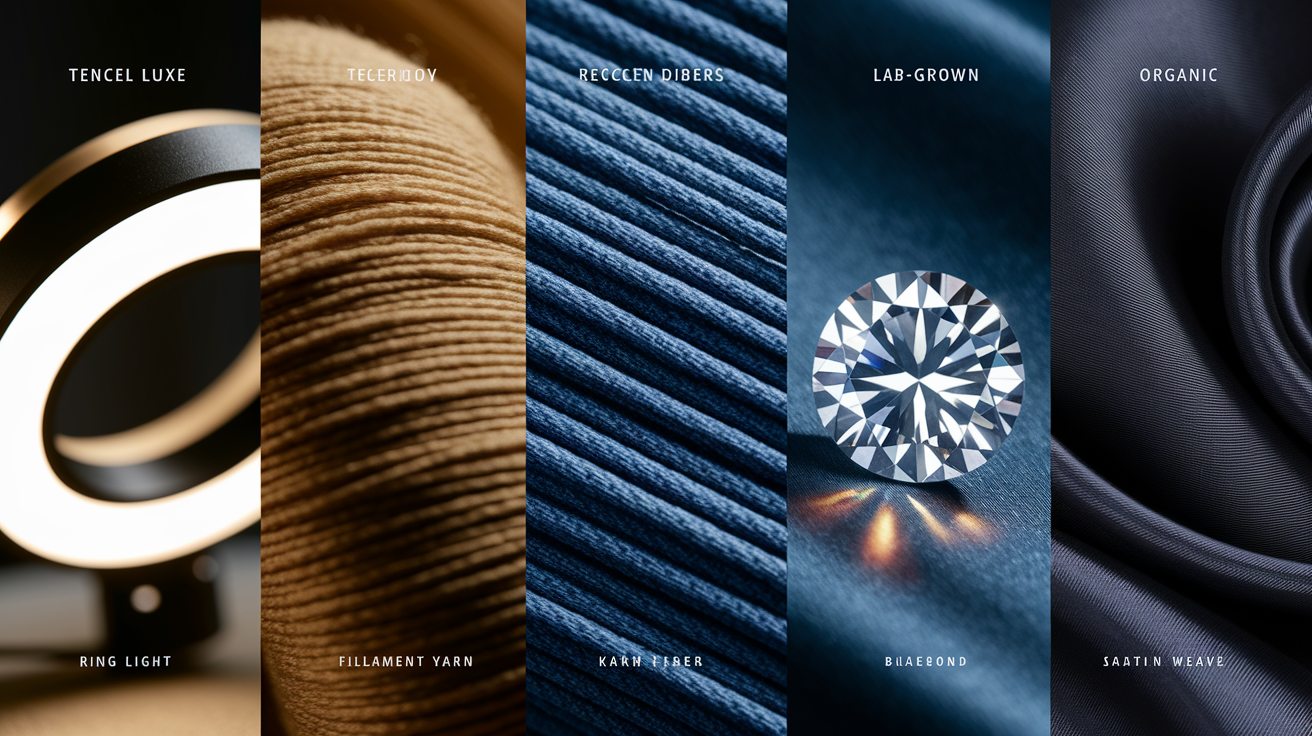
The 2020 awards season introduced a new wave of biodegradable fabrics for gowns and innovative textiles that look luxurious while leaving a lighter footprint. Tencel Luxe, a wood-based filament yarn, showed up in Léa Seydoux’s Louis Vuitton gown as organic silk faille. Plant-derived fibers can deliver the drape and shine formal gowns require. Organic satin appeared in her matching sandals, offering a cruelty-free alternative to conventional silk production. Recycled nylon, turned into sharp tailoring by Prada for Timothée Chalamet, demonstrated that menswear can be both polished and circular.
Sustainable velvet, used by Stella McCartney for Olivia Colman’s gown, offers the rich texture red carpets demand without the heavy chemical dye loads of traditional velvet. Lab-grown diamonds, worn by Colman at the BAFTAs, eliminate the ethical and environmental costs of mining while delivering identical sparkle. Joaquin Phoenix has advocated for vegan materials across his red carpet appearances, partnering with PETA to promote animal-free fashion and pushing designers to explore mushroom leather, Piñatex (pineapple leaf fiber), and other plant-based alternatives for evening accessories.
Mulesing-free wool has become a priority for vegan and animal welfare advocates. Deadstock fabrics, leftover materials from previous collections, reduce waste by giving excess yardage a second life in couture. Upcycled evening gowns now appear regularly on red carpets, turning fabric scraps and vintage textiles into one-of-a-kind statement pieces.
Five Red Carpet Material Innovations
- Tencel Luxe (wood-based filament yarn), used in Louis Vuitton gowns for high drape and eco credentials
- Recycled nylon, transformed into tailored menswear by Prada
- Lab-grown diamonds, ethical alternative to mined stones, worn by Olivia Colman
- Vegan leather alternatives (Piñatex, mushroom leather), plant-based materials for shoes and clutches
- Deadstock fabrics, repurposed excess yardage from past collections, reducing couture waste
Vintage, Archive, and Rewear Culture on the Red Carpet

Circular fashion on the red carpet gained serious momentum when Margot Robbie arrived at the 2020 Oscars in a 1994 Chanel dress pulled from the archive and expertly retailored. Lily Aldridge doubled down on vintage, wearing a Ralph Lauren design from spring/summer 2013 to the ceremony and switching into a white Gucci dress by Tom Ford from autumn/winter 2004 for the after-party. Kim Kardashian West chose an archival gown from 2003 so rare that only two copies exist. The other sits in the Metropolitan Museum of Art. These celebrity secondhand gowns prove that vintage pieces can hold their own against brand new couture.
Joaquin Phoenix turned rewear into a red carpet slow fashion moment by wearing the same Stella McCartney suit to every single awards ceremony throughout the 2020 season. A deliberate statement against throwaway culture. Saoirse Ronan demonstrated fabric reuse across events. Her Gucci Oscars gown was created from the same black material used for her BAFTAs dress, cutting production waste in half. Cate Blanchett arrived at the Venice Film Festival 2020 in a fully pre-worn outfit, showing that even A-list stars can repeat looks without losing impact.
Six Ways Vintage and Archive Fashion Reduce Waste
- Pulling archival pieces from designer vaults, eliminates new fabric, dye, and production (example: Margot Robbie’s 1994 Chanel).
- Retailoring vintage gowns to fit current measurements, extends garment lifespan without manufacturing a new dress.
- Rewearing the same garment across multiple events, Joaquin Phoenix wore one Stella McCartney suit all season.
- Reusing fabrics from one event to another, Saoirse Ronan’s BAFTAs to Oscars black fabric.
- Choosing rare archive pieces over fast fashion commissions, Kim Kardashian’s 2003 gown (two copies worldwide).
- Switching into second vintage looks for after parties, Lily Aldridge wore 2013 Ralph Lauren, then changed into 2004 Tom Ford era Gucci.
Up-and-Coming Sustainable Designers Ready for Major Red Carpets

Jiri Kalfar
Jiri Kalfar, a Czech-based designer and former model and dancer, runs a zero waste policy and uses recycled fabrics alongside local manufacturing. Kalfar’s small batch couture brands approach combines artisanal slow fashion with sharp tailoring, making his pieces ideal for celebrities looking to support European sustainable luxury designers. His aesthetic balances structure and fluidity, perfect for red carpet moments that require both movement and impact.
AMUR
AMUR’s name stands for A Mindful Use of Resources, and the brand delivers on that promise by producing everything in New York City using sustainably sourced materials. AMUR’s made to order red carpet pieces reduce overproduction while maintaining couture level craftsmanship. The brand’s ethical couture houses model centers local labor and transparent supply chains, appealing to stylists who want verifiable sustainability credentials alongside red carpet glamour.
Leanne Marshall
Leanne Marshall started on Project Runway and now creates bridal gowns and evening wear in New York City using natural fabrics like organic cotton and silk. Marshall repurposes scrap material to eliminate waste, turning offcuts into trims, accessories, and sample pieces. Her flowing, romantic designs have already appeared at smaller awards events. Her commitment to zero waste production positions her as a strong candidate for major red carpets.
Edun
Edun produces most of its collections within Africa to promote sustainable infrastructure and community development, using natural materials like cotton and silk plus deadstock fabrics left over from larger fashion houses. The brand’s ethical couture approach connects red carpet fashion to real economic impact in artisan communities. Edun’s designs blend clean lines with cultural textiles, offering a globally conscious alternative to traditional European luxury labels.
Laura Strambi
Laura Strambi focuses on female-oriented designs crafted from certified sustainable fabrics that are free of heavy metals and feature fully traceable supply chains. Her work appeals to celebrities who want transparency and third-party verification behind their red carpet choices. Strambi’s gowns combine modern silhouettes with old world tailoring techniques, creating pieces that photograph beautifully while meeting strict environmental and social standards.
Red Carpet Stylists Leading the Sustainability Movement

Eco-conscious red carpet stylists are the architects behind many high-profile sustainable styling for awards nights moments, sourcing vintage pieces, negotiating archival loans, and selecting designers with verified credentials. Stylists working with Cate Blanchett and Margot Robbie have mastered the art of retailoring vintage gowns, adjusting waistlines, hemlines, and bust panels so archive pieces fit like custom couture. Deadstock fabric sourcing has become a stylist superpower, tracking down leftover yardage from past collections and pairing it with designers willing to build new gowns from old stock.
Emma Watson’s stylist uses sustainable rating platforms like Good On You to vet designers before fittings. Every red carpet appearance aligns with her UN advocacy work. Joaquin Phoenix’s team coordinates with PETA to identify vegan materials and mulesing-free wool, turning his awards season wardrobe into a consistent animal rights message. The rewear strategy Phoenix followed throughout 2020, one Stella McCartney suit for every ceremony, required stylist coordination to keep the look fresh through different shirt and accessory pairings.
Four Sustainable Stylist Techniques
- Archival and vintage sourcing, pulling pieces from designer vaults and private collections, then retailoring for a perfect fit
- Deadstock fabric coordination, tracking excess materials from past seasons and matching them with designers who create custom gowns
- Repeat use styling, accessorizing and tailoring one core piece multiple ways across awards season
- Certification vetting, using platforms like Good On You and Red Carpet Green Dress to verify sustainability claims before selecting a look
Sustainable Red Carpet Accessories and Jewelry Innovations

Lab-grown diamonds made a major red carpet debut when Olivia Colman wore them to the 2020 BAFTAs, delivering the same sparkle as mined stones without the environmental and human cost of extraction. Kaitlyn Dever stepped onto the Oscars carpet in custom Aldo platform shoes. The brand achieved climate neutrality by offsetting 100% of the carbon emissions it produced in 2017. Joaquin Phoenix’s vegan accessory preferences have pushed designers to explore plant-based leather alternatives for evening clutches and dress shoes, including Piñatex (made from pineapple leaf fiber) and mushroom leather grown in labs.
Recycled metal jewelry is becoming standard among sustainable accessory designers, with gold and silver reclaimed from old electronics and vintage pieces recast into new earrings, bracelets, and rings. Designers are also experimenting with upcycled gemstones, pulling stones from estate jewelry and resetting them in modern designs. These innovations prove that sustainable red carpet accessories can meet the same luxury standards as conventional pieces while reducing mining, waste, and carbon footprints.
Emerging Accessory Materials on the Red Carpet
- Lab-grown diamonds, identical to mined stones, zero extraction impact (Olivia Colman, BAFTAs 2020)
- Piñatex and mushroom leather, plant-based alternatives for shoes and clutches, promoted by vegan advocates
- Recycled metals, reclaimed gold and silver recast into new jewelry designs
Key Sustainability Certifications and Standards Seen on the Red Carpet

Red Carpet Green Dress certification appeared on multiple Louis Vuitton gowns at the 2020 Oscars, verifying that materials like Tencel Luxe and organic satin met strict environmental and social criteria. The certification is tied to a women-led environmental activism campaign that works directly with designers to green their red carpet offerings. Aldo’s climate neutral certification, earned by offsetting 100% of its 2017 carbon emissions, gave Kaitlyn Dever’s custom platform shoes a verified sustainability credential that stylists could cite in press notes.
B Corp recognition has appeared in discussions of ethical fashion houses on the red carpet, signaling that a brand meets rigorous standards for social and environmental performance, accountability, and transparency. Sustainable rating platforms like Good On You, publicly supported by Emma Watson, help stylists and celebrities quickly assess whether a designer’s sustainability claims hold up under scrutiny. These certifications turn vague “eco-friendly” promises into measurable, third party verified commitments.
| Certification | What It Validates | Notable Celebrity/Designer Example |
|---|---|---|
| Red Carpet Green Dress | Sustainable materials, ethical production for red carpet gowns | Louis Vuitton (Léa Seydoux, Kaitlyn Dever, Oscars 2020) |
| Climate Neutral | 100% carbon emissions offset for a given year | Aldo (Kaitlyn Dever’s platform shoes, Oscars 2020) |
| B Corp | Social and environmental performance, accountability, transparency | Cited in ethical fashion brand discussions (Voz, Studio 189 context) |
Final Words
From Cate Blanchett’s rewear to Margot Robbie’s vintage Chanel, the post maps who wore what and why, naming designers, events, and the sustainability credentials behind each look.
We broke it down into materials (Tencel, recycled nylon), vintage and rewear strategies, accessory innovations, rising small-batch designers, stylist tactics, and key certifications.
Bottom line: sustainable designers on the red carpet are proving glamour and responsibility can go hand in hand, and we’ll likely see even more bold, planet-friendly moments next awards season.
FAQ
Q: Who is the most sustainable designer?
A: The most sustainable designer is not one person; leaders like Stella McCartney and Gabriela Hearst are often highlighted for transparent supply chains, low-impact materials, and slower production, though sustainability varies by collection.
Q: Is Princess Polly more ethical than Shein?
A: Princess Polly is generally seen as more ethical than Shein because it’s smaller and sometimes uses better sourcing, but it still runs fast-fashion practices and lacks full transparency compared with truly ethical brands.
Q: Who is Amy Powney?
A: Amy Powney is the founder and creative director of Mother of Pearl, a British label known for craft-led design and a strong sustainability focus, including traceable materials and support for ethical makers.
Q: Is Zara ethical now?
A: Zara is not fully ethical now; it has programs like Join Life and uses more recycled fibers, but its fast-fashion business model and limited transparency mean significant ethical concerns remain.