
Love them or hate them, nostalgic reboots rule entertainment today.
They give viewers emotional comfort when the present feels messy, and they’re safer financial bets for studios.
Put simply: reboots dominate because they pair familiar feelings with proven brands, a combo that calms audiences and convinces execs to spend big.
Add algorithm-driven recirculation and a generation hungry for shared memories, and you get a feedback loop that turns every trailer into a cultural event.
Here’s how that mix explains why old favorites keep coming back, and what to watch for next.
Core Cultural and Psychological Forces Behind Nostalgic Reboots
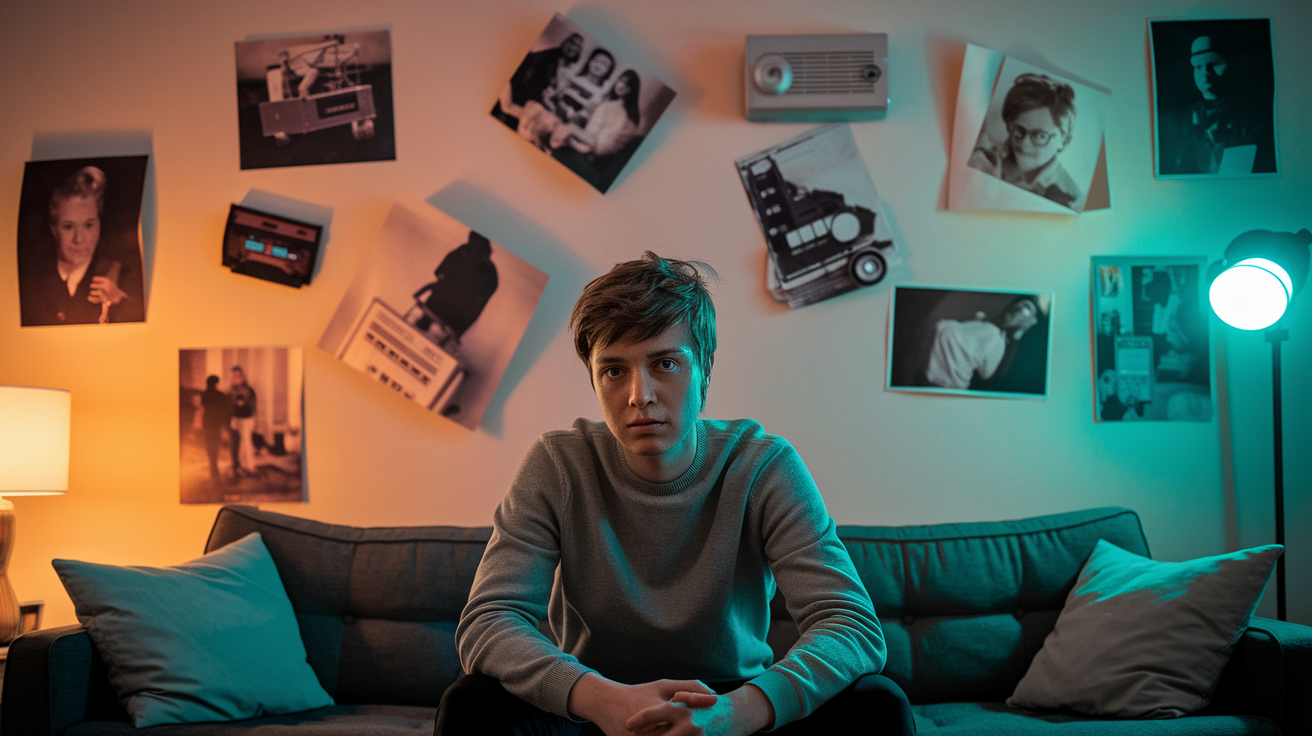
Nostalgia works as emotional regulation when things feel uncertain. The word comes from Greek: nostos (“homecoming”) and algos (“pain”). It originally meant homesickness. Before it became a marketing goldmine, nostalgia was actually diagnosed as a medical condition in soldiers who missed home. Studies from early COVID showed measurable spikes in nostalgic content consumption as people looked for comfort during lockdowns, health scares, and isolation. Clay Routledge, who wrote Past Forward, notes that nostalgia strengthens social connection by tapping into shared memories and preferences. It temporarily reduces loneliness and disconnection. When the present feels unstable, remembered experiences offer predictability and emotional safety.
Millennials and Gen Z show particularly strong nostalgic responses. They’re shaped by formative disruptions: pandemic shutdowns, climate anxiety, student debt, cost-of-living pressures. These generations turn to childhood properties not just out of sentimentality but as a coping mechanism against present-day stressors. Marketers recognize this vulnerability and deploy nostalgia campaigns backed by billion-dollar budgets, using techniques rooted in Edward Bernays’ insight that appealing to subconscious emotions drives mass behavior more effectively than rational argument.
Digital-era conditions intensify nostalgic coping. Constant connectivity, rapid cultural churn, and algorithmic feeds amplify the feeling that the present is overwhelming and the future uncertain. Nostalgic reboots offer an oasis of familiarity in an accelerating landscape, tapping into memories formed during slower, seemingly simpler developmental windows. This psychological dynamic transforms nostalgia from a passive emotion into a valuable commercial asset.
Economic Logic Driving the Nostalgic Reboot Boom

Studios and streamers prioritize reboots because proven intellectual property reduces financial risk. An established franchise already has brand recognition, lowering the hurdle required to capture attention in a saturated market. Marketing becomes more efficient when audiences already know the characters, settings, and emotional tone. Advertising dollars go further and greenlighting decisions require less internal persuasion. The theatrical trailer for Wicked, released on May 15, circulated instantly across platforms, generating millions of impressions with minimal explanation needed. Viewers understood the premise before the first frame ended.
Edward Bernays’ principle of subconscious persuasion underpins modern nostalgia marketing. Rather than arguing for a product’s merit, campaigns tap into pre-existing affection and memories, creating an emotional shortcut to purchase or viewership. Revivals historically outperform original properties in early revenue windows because audiences arrive with lower skepticism and higher baseline engagement. This dynamic creates a feedback loop where success begets more reboots, and risk-averse executives favor IP recycling over untested ideas.
Economic incentives stack in favor of nostalgic properties. Lower perceived risk due to established audience segments and historical performance data. Reduced marketing effort since core brand awareness already exists. Easier merchandise extensions through legacy character catalogs and recognizable iconography. Predictable audience segments that streamers and studios can target with precision. Easier greenlighting as executives justify budgets by citing prior franchise success.
How Digital Platforms Supercharge the Popularity of Reboots

Digital platforms accelerate nostalgic circulation at unprecedented speed. When a trailer drops, it reaches YouTube, X, Instagram, and TikTok within hours, triggering waves of reaction videos, commentary threads, and fan edits that keep the property trending for days or weeks. The Wicked trailer became inescapable not because of traditional TV spots but because algorithms surfaced it repeatedly to users flagged as interested in musicals, fantasy, or nostalgia content. Millennials and Gen Z consume the majority of this algorithm-fed nostalgia, and their engagement signals train recommendation engines to prioritize similar properties, creating a self-reinforcing cycle.
Algorithmic systems favor familiar intellectual property because it generates reliable engagement. Platforms measure watch time, shares, and completion rates, all of which spike when audiences encounter something they already care about. Fan-generated noise (debates, theories, anticipation posts) further boosts visibility, making nostalgic reboots appear more culturally dominant than their actual viewership might warrant. This recirculation loop also contributes to nostalgia fatigue, as the same trailers, clips, and announcements saturate feeds until audiences feel oversaturated and cynical.
Generational Timing and the Roots of the Nostalgia Surge
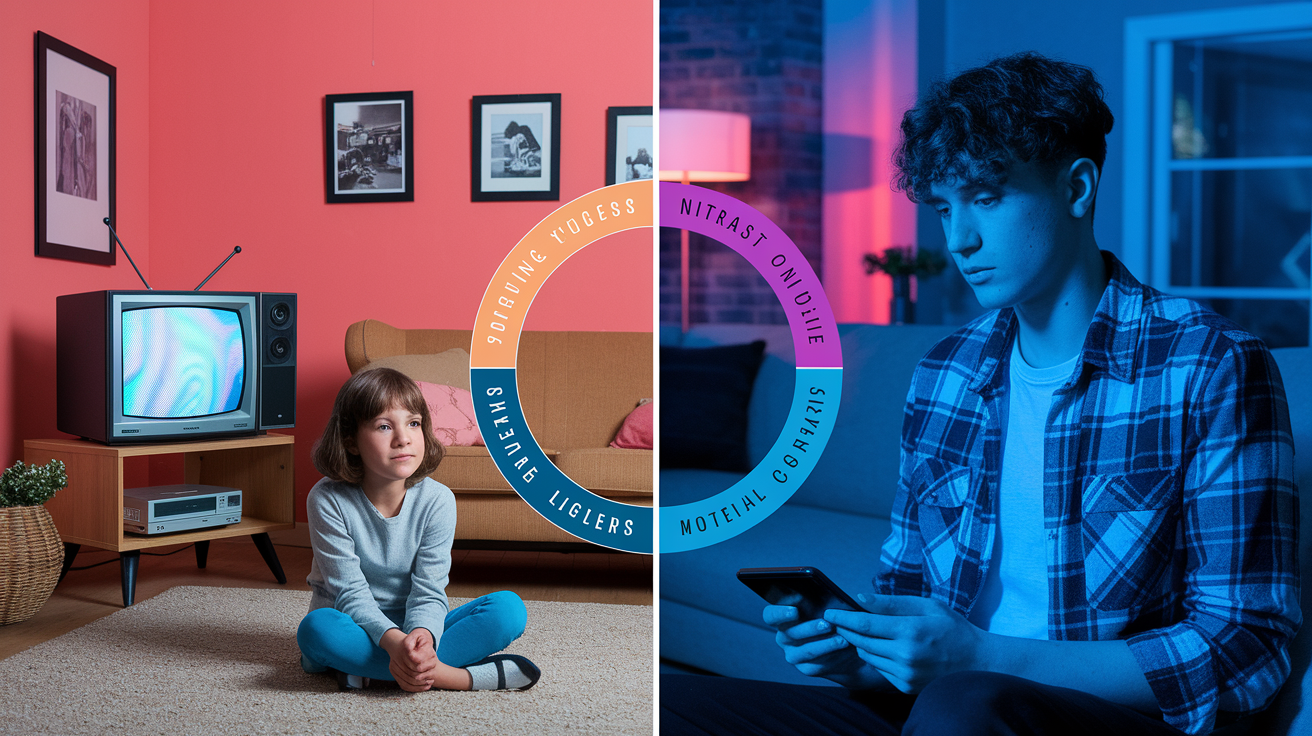
Nostalgia spikes during periods of societal stress. The current wave reflects economic instability, climate uncertainty, and digital overload experienced by Millennials and Gen Z. Properties from the 1980s through early 2000s (formative decades for these cohorts) reappeared at high frequency starting in the mid-2010s and accelerated during the pandemic. Early-COVID studies documented dramatic increases in nostalgic media consumption as locked-down audiences sought emotional refuge in childhood favorites and reboots of familiar franchises.
Cultural nostalgia cycles typically run on 20 to 30 year loops, the span required for a generation to reach peak earning power and cultural influence while retaining vivid childhood memories. Historical patterns show technological change that makes older properties feel quaint or novel again (practical effects, analog aesthetics). Generational aging as cohorts enter parenthood and seek to share formative media with children. Crisis periods (recessions, pandemics, political upheaval) that increase demand for comforting content. Market timing when studios exhaust current-era hits and mine back catalogs for proven material.
Creative Approaches: Updating Nostalgic IP for Modern Audiences
Revivals walk a tightrope between honoring legacy elements and updating for contemporary sensibilities. The Mean Girls reboot and upcoming Moana sequel illustrate attempts to modernize themes (social dynamics, representation, humor) while retaining core characters and narrative hooks that made originals successful. Concerns about creative stagnation persist, with critics arguing that nostalgia offers comfort but risks recycling “profitable fictions” that prevent fresh storytelling. Legacy TV properties like Drake and Josh, Big Time Rush, and the iCarly reboot show how adaptation can introduce classic franchises to new audiences while tweaking tone and values for changed cultural contexts.
Successful updates require balancing homage and innovation. Too much fidelity risks feeling stale or dated. Too much change alienates the core fanbase that justified the reboot’s greenlight. Studios deploy focus groups, social listening, and test screenings to calibrate this balance, seeking to capture both nostalgic viewers and younger demographics unfamiliar with the original.
Honoring Legacy Elements
Callbacks (visual motifs, musical cues, catchphrases, original cast cameos) anchor reboots in their source material and signal respect for fans’ memories. Theme reuse maintains continuity, ensuring that long-time followers recognize the emotional and narrative DNA even when settings or supporting characters change. The goal is to evoke familiarity without trapping creativity, allowing new storylines to unfold within an established framework. When done well, legacy elements function as Easter eggs that deepen engagement without overwhelming the plot.
Updating Values and Representation
Modern reboots incorporate diversity, inclusion, and contemporary social topics that were absent or underdeveloped in originals. Expanded character arcs, more nuanced relationships, and revised power dynamics reflect shifts in audience expectations and cultural norms. These updates attract younger viewers who might dismiss older properties as outdated while demonstrating that nostalgic IP can evolve. The challenge lies in updating authentically rather than performatively, ensuring changes feel integral to storytelling rather than grafted on for optics.
Case Studies: Why Some Nostalgic Reboots Succeed and Others Fail
Historical chains like Wicked (originating in L. Frank Baum’s 1900 novel, adapted into the 1939 Wizard of Oz film, reimagined in Gregory Maguire’s 1995 novel, staged as a Broadway musical in 2003, and released as a film in 2024) demonstrate the durability of nostalgic IP across more than a century. Some reboots underperform due to nostalgia fatigue, creative missteps, or shifts in cultural taste that make once-beloved properties feel irrelevant. Digital recirculation amplifies both hype and backlash, turning moderate disappointments into viral failures and modest successes into breakout phenomena.
| Title | Release Year | Budget Tier | Revenue/Streaming Impact | Outcome Reason |
|---|---|---|---|---|
| The Super Mario Bros. Movie | 2023 | High | Massive global box office | Strong IP recognition, family appeal, accessible story |
| Mean Girls (Musical Film) | 2024 | Mid | Moderate theatrical, strong streaming | Updated humor, Broadway credibility, Gen Z casting |
| Star Wars Sequel Trilogy | 2015–2019 | Very High | Strong but divisive | High nostalgia draw, mixed creative reception, fanbase splits |
| Wizard of Oz Legacy Chain | 1900–2024 | Varied | Century-long cultural penetration | Evergreen themes, multiple media adaptations, public domain advantages |
| Generic Reboot Failures | Various | Mid to High | Underperformed expectations | Poor timing, creative fatigue, insufficient updates, audience oversaturation |
Nostalgia Marketing Tactics Used by Studios and Brands
Studios deploy large advertising budgets designed to make nostalgic reboots inescapable. The Wicked trailer spread instantly because it combined recognizable branding with strategic platform targeting, hitting audiences most likely to engage and share. Nostalgia-based advertising uses subconscious-emotion targeting, a technique rooted in Edward Bernays’ work on mass persuasion, which prioritizes feeling over facts. Major corporations profit by packaging childhood memories as consumable products.
Key marketing tactics include visual and audio callbacks to original branding, title cards, and theme music that trigger immediate recognition. Legacy logos and retro design elements in posters, trailers, and merchandise packaging. Soundtrack reuse or remixes of iconic scores that anchor emotional memory. Original cast cameos in trailers or promotional materials to validate continuity. Anniversary tie-ins pegged to round-number milestones (20th, 30th, 40th anniversaries). Cross-platform merchandise tie-ins launched simultaneously with content releases to maximize revenue windows.
Cultural Risks and the Rise of Nostalgia Fatigue
Nostalgia may deepen dissatisfaction with the present when it becomes a default escape rather than occasional comfort. Many nostalgic visions are “profitable fictions” (idealized memories repackaged to seem attainable, masking the reality that childhood environments, economic conditions, and social structures have changed irreversibly). Fans experience fatigue from overexposure when every feed, playlist, and recommendation surface serves up another reboot, sequel, or throwback campaign. Uncritical consumption can be manipulative, as corporations exploit emotional vulnerabilities to drive engagement and spending without delivering meaningful innovation.
Industry overuse risks devaluing nostalgia itself. When audiences encounter endless recycled properties, the emotional potency of genuine nostalgic connection diminishes, replaced by cynicism and diminishing returns. Critics warn that overreliance on reboots stifles creative risk-taking, discouraging studios from developing original stories that could become the nostalgic favorites of future generations. The result is a cultural bottleneck where the past crowds out the present, and new voices struggle to break through an IP-dominated landscape.
Future Outlook: Where Nostalgic Reboots Are Heading Next
Nostalgic intellectual property has been reused for over a century, as demonstrated by the Wizard of Oz adaptation chain stretching from 1900 to 2024. Digital platforms ensure continued circulation, with algorithms programmed to surface familiar content to maximize engagement. Social and economic stressors (climate anxiety, political polarization, automation fears) may sustain nostalgia demand as audiences seek refuge in known quantities. The business logic favoring reboots shows no sign of weakening, especially as studios consolidate and streamers compete for reliable hits in crowded markets.
Emerging trends likely to shape nostalgic revivals include AI-driven remakes that de-age actors, reconstruct sets, or generate entirely synthetic performances based on archival material. Interactive nostalgia on streaming platforms allowing viewers to choose story branches within familiar franchises. Cross-platform revivals that launch simultaneously as series, games, and social media experiences. More culturally varied adaptations as global markets demand localized versions of Western nostalgia properties and vice versa.
Final Words
We walked through why nostalgic reboots thrive, the psychology of nostalgia, studio economics, digital amplification, generational timing, creative choices, marketing tricks, and nostalgia fatigue.
You saw case studies that show hits and flops, plus practical marketing tactics and predictions for where revivals are headed.
Bottom line: why nostalgic reboots trend in pop culture explained boils down to emotion plus economics plus algorithms, comfort sells, data spreads it fast, and fresh takes keep audiences coming back. Expect more revivals, but smarter ones, too.
FAQ
Q: Why are nostalgic reboots trending in pop culture?
A: Nostalgic reboots are trending because they soothe stress, tap built-in fanbases, lower financial risk for studios, and get amplified instantly by streaming algorithms and social media buzz.
Q: How does nostalgia affect audience emotions and behavior?
A: Nostalgia calms and connects people, easing stress and prompting comfort viewing; it encourages repeat watching, social sharing, and buy-in for related merch or spin-offs.
Q: Why do studios prefer rebooting existing IP instead of new ideas?
A: Studios prefer rebooting existing IP because known brands reduce financial risk, cut marketing uncertainty, attract predictable audiences, and open easy merchandising and extension opportunities.
Q: How do streaming platforms and social media boost reboot popularity?
A: Streaming platforms and social media boost reboots by favoring familiar titles in algorithms, circulating trailers fast, and using fan noise to justify data-driven greenlighting decisions.
Q: Why are Millennials and Gen Z especially drawn to nostalgic reboots?
A: Millennials and Gen Z are drawn to reboots due to economic and climate stress, formative media memories, and a digital culture that recirculates familiar content for comfort and community.
Q: How do creators balance honoring originals with modern updates?
A: Creators balance honoring originals by keeping key callbacks and tone while updating values, expanding representation, and adding fresh character arcs to avoid mere copycat nostalgia.
Q: What marketing tactics do studios use to sell reboots?
A: Studios sell reboots with visual callbacks, legacy logos, soundtrack reuse, cast cameos, anniversary tie-ins, merchandise drops, and targeted campaigns that trigger emotional recall.
Q: What makes a reboot succeed or fail?
A: A reboot succeeds when it respects the source, innovates narratively, and fits audience expectations; it fails when it over-relies on nostalgia, feels cash-driven, or fatigues viewers with overexposure.
Q: What are the cultural risks of constant rebooting?
A: Constant rebooting risks nostalgia fatigue, creative stagnation, manufactured longing that deepens present dissatisfaction, and ethical questions about manipulating emotions for profit.
Q: How will nostalgic reboots evolve in the future?
A: Nostalgic reboots will likely use AI-driven remakes, interactive streaming formats, cross-platform revivals, and more culturally varied adaptations while aiming for sustainable, audience-first practices.
Q: How can viewers tell if a reboot is a thoughtful revival or just a cash grab?
A: Viewers can tell by checking for meaningful updates to themes and representation, clear creative vision, and new storytelling versus shallow callbacks, recycled marketing, and obvious merchandising pushes.