

Is shipping rewriting how we watch and even make pop culture?
What began as photocopied Star Trek zines has exploded into viral TikTok edits, million-post archives, and fandom hubs on Tumblr and Reddit.
Fans create romantic pairings and wild theories not just for fun.
They fill story gaps, claim ownership of characters, build tight online communities, and now, with streaming and algorithmic feeds, those ideas spread fast and actually nudge creators.
Comprehensive Origins Behind Fandom Shipping Culture and Fan Theories

Private hobbyist circles didn’t become mainstream internet culture overnight. It took about thirty years, starting with analog zines and ending up with TikTok trends pulling millions of views in hours. Late 1970s Star Trek fans began circulating hand-drawn and typed stories that paired Captain Kirk with Spock, called K/S or slash fiction. These early romantic pairings lived in printed fanzines, photocopied magazines traded at conventions or mailed between fans. Shipping wasn’t even called “shipping” yet, and fan theories were just informal dinner-table arguments. The culture was there, but niche, self-contained, and you had to put in real effort just to find other fans who shared your take on fictional characters.
Then the 1990s hit. Personal computers spread and early internet forums like Usenet opened up, and fans realized they could reach thousands of people instantly. The X-Files aired from 1993 to 2002 and became a testing ground for modern shipping language. Fans debating whether Mulder and Scully would get together shortened “relationshipper” to “shipper,” and it stuck. Serialized TV shows with long runs and unresolved romantic arcs gave audiences time to develop theories, write fanfiction, and argue over subtext. In 1998, a major fanfiction archive launched, marking the shift from zines to centralized web distribution. By the early 2000s, platforms like LiveJournal, Reddit (2005), Twitter (2006), and Tumblr (2007) built lasting infrastructure for fandom communities to organize, debate, and create at scale.
Streaming services, shared cinematic universes, and smartphones pushed the final leap forward. The Marvel Cinematic Universe kicked off in 2008 with Iron Man, creating a sprawling narrative sandbox where fans could mix and match characters across films. Binge-watching culture meant fans consumed entire seasons in days, then immediately turned to online communities to share theories and shipping content. By the 2010s, what started as underground zine culture had become visible, measurable internet culture, with fanfiction archives hosting millions of works and convention attendance hitting six figures.
Key Milestones in Fandom Shipping and Theory Evolution:
- Late 1970s – Kirk/Spock slash zines emerge, marking the first widely documented romantic pairing culture.
- 1993–2002 – The X-Files popularizes “shipper” terminology and establishes online shipping discourse on Usenet.
- 1998 – Major web-based fanfiction archive launches, enabling mass distribution beyond physical zines.
- 2005–2007 – Reddit, Twitter, and Tumblr create persistent social platforms for fandom organizing and content sharing.
- 2010s onward – Streaming culture, algorithmic feeds, and short-form video platforms (TikTok from 2016) turn shipping and theories into viral, mainstream cultural products.
Evolution of Shipping Culture Across Digital Platforms
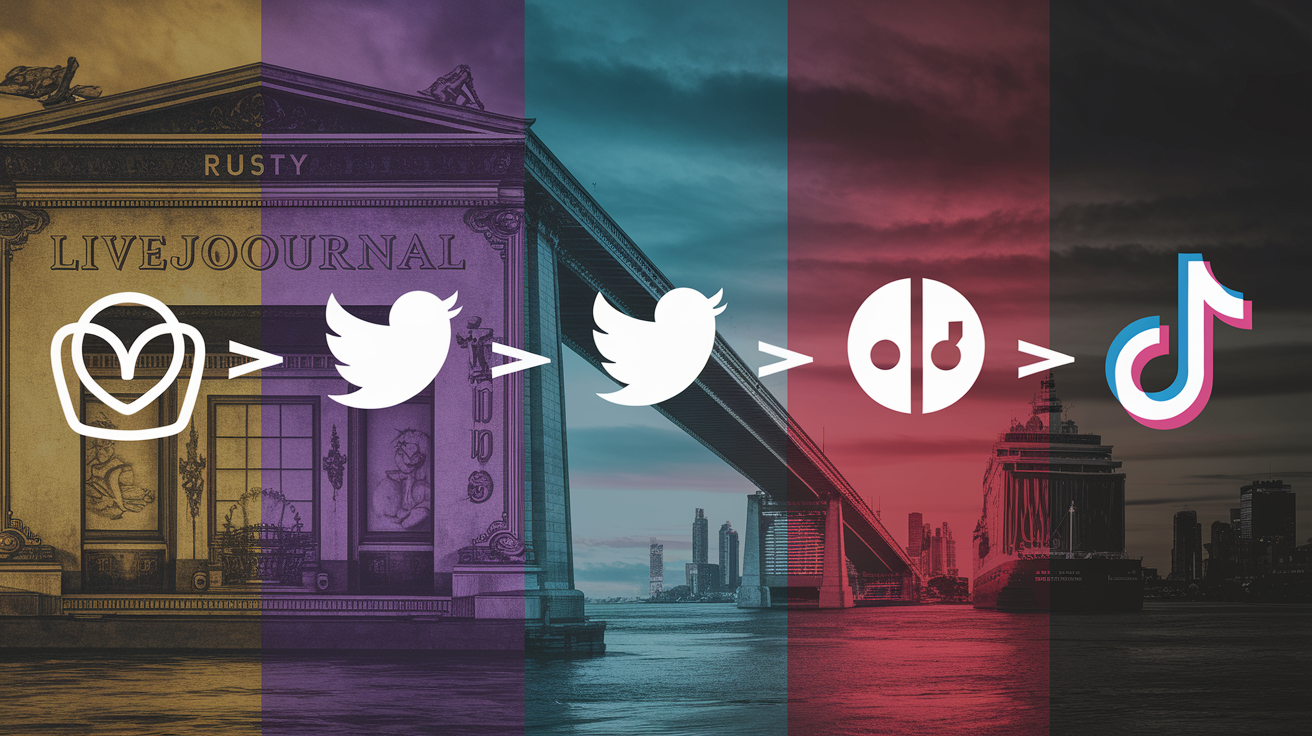
Each new platform brought different tools that reshaped how fans engaged with romantic pairings and shared theories. LiveJournal introduced threaded comments and “friends-only” posts, giving communities a way to build semi-private spaces with moderation and norms. Tumblr’s reblog system and image-friendly interface made visual shipping content spread faster than text-only forums ever could. Fanart, mood boards, gif sets, all of it. The platform’s tagging culture turned ship names into discoverable hubs, so typing “Destiel” or “Reylo” instantly connected you to thousands of posts. Reddit’s upvote system and subreddit structure let theory crafters build detailed, crowdsourced analyses, with popular posts rising to the top and gaining legitimacy through community votes.
Short-form video platforms changed everything again starting around 2019. TikTok’s For You Page algorithm prioritizes engagement over follower count, meaning a single viral shipping edit can reach millions of users who’ve never heard of the fandom before. Creators produce quick explainers, supercuts of character interactions, and theory breakdowns that feel accessible even to people just scrolling past. The low production barrier (often just a phone, a few clips, and a trending sound) means shipping content can replicate and mutate at viral speed. What once took weeks to circulate through zines now trends globally in 48 hours.
| Platform | Key Impact | Core Years |
|---|---|---|
| LiveJournal | Threaded communities, moderated spaces, semi-private sharing | 2000–2008 |
| Tumblr | Visual shipping content, reblog amplification, discoverable tags | 2007–2018 |
| Upvoted theories, crowdsourced analysis, legitimacy through votes | 2005–present | |
| TikTok | Viral edits, algorithmic reach, rapid trend cycles | 2019–present |
Character Dynamics and Canon Factors Driving Shipping Growth
Serialized storytelling creates natural gaps. Offscreen conversations, ambiguous glances, unresolved tension. Fans rush to fill them. When a show runs for multiple seasons or a cinematic universe spans a decade, characters accumulate dozens of interactions that can be read multiple ways. A lingering look between two characters might be directorial accident, intentional subtext, or pure coincidence, but fans treat it as raw material. The longer the narrative runs and the more ensemble it becomes, the more combinations exist. The MCU’s post-2008 expansion meant characters like Steve Rogers and Bucky Barnes had years of shared history, battle trauma, and emotional beats that shippers could remix into romantic arcs, even when the official text never confirmed it.
Creators sometimes leave doors open on purpose. Showrunners know that unresolved romantic tension keeps audiences talking between episodes, so they drop hints, write chemistry-heavy scenes, and avoid definitive closure until late in a series. Other times, the gaps are accidental. Budget constraints, actor availability, or last-minute script changes create narrative holes that fans interpret as meaningful silence. Either way, the effect is the same. Fictional characters become vessels for audience projection. Fans develop headcanons to explain behavior, backstory, or motivation that canon never addresses, and those headcanons become shared knowledge within fandom communities.
Ensemble casts multiply the possibilities. A show with six main characters offers fifteen potential pairings before you even start mixing genders, sexualities, or relationship styles. Add in recurring side characters, and the number explodes. Cross-shipping (pairing characters from entirely different fictional universes) takes this further, treating personality archetypes and relationship tropes as modular pieces. “Troubled boy meets good girl” works whether the characters are from a 2000s animated film or a 2020s Netflix series, so fans apply familiar templates across franchises and test whether the chemistry holds up.
Community Practices Within Modern Fandom Shipping Culture

Shipping communities operate with their own languages, rituals, and governance systems. Fans condense pairings into portmanteau ship names like “Destiel” (Dean and Castiel) or “Reylo” (Rey and Kylo Ren), making them instantly recognizable and searchable. Tagging systems on platforms like Tumblr and Archive of Our Own let creators label their work by ship, trope, rating, and content warnings, so readers can filter for exactly what they want or avoid what they don’t. These systems aren’t just organizational. They’re ethical infrastructure that helps communities navigate consent, trigger warnings, and spoiler etiquette at scale.
Content creation is multimodal and collaborative. Fanartists draw shipping scenes, video editors splice together character interactions set to trending music, and fanfiction writers produce everything from thousand-word drabbles to novel-length epics. Some fans specialize in “meta” commentary, long analytical posts that argue for a ship’s canonical plausibility using close reading, thematic analysis, and frame-by-frame evidence. Others organize events like “ship weeks,” where the community produces coordinated bursts of content around prompts. These traditions build shared identity and give participants roles (artist, writer, theorist, curator) that mirror professional creative labor.
Common Practices in Shipping Communities:
- Ship name creation – Portmanteau labels or “/” notation (e.g., Steve/Bucky) that serve as searchable identifiers.
- Content warnings and tags – Systems that flag sensitive material, spoilers, and specific tropes to manage consent and expectations.
- Meta-commentary – Analytical essays and threaded discussions that argue for ships using textual evidence and thematic readings.
- Collaborative events – Ship weeks, zine projects, and prompt challenges that coordinate bursts of fanworks around a pairing.
- Dispute norms – Informal rules about harassment, blocking, and “don’t like, don’t read” that attempt to reduce conflict.
- Archival practices – Mirroring, bookmarking, and preservation efforts to protect fanworks from platform shutdowns or creator deletion.
These practices do more than organize content. They create belonging. Learning the tags, understanding the tropes, and contributing work signals membership in a community that spans continents and time zones. Shipping becomes a form of collective storytelling where everyone’s interpretation can coexist, even when they contradict. That shared language and ritualized creation are why fans stay invested for years, long after a show ends or a film franchise wraps.
Psychological Factors Behind Shipping and Theory Crafting

Fans form one-sided emotional bonds with fictional characters, something psychologists call parasocial relationships. You don’t know them, but you care what happens to them. Shipping converts that care into imagined intimacy. When you write or read a story where two characters fall in love, you’re exploring emotional scenarios the official text didn’t deliver. That act of creation offers agency in a way passive viewing never can. If the show killed off your favorite character or left a romance unresolved, fanfiction lets you rewrite the outcome and imagine a version where things went differently.
Identity exploration drives a lot of shipping energy, especially in younger and LGBTQ-heavy fandom spaces. Writing about queer relationships or non-normative dynamics lets fans test ideas about sexuality, gender, and intimacy in a low-stakes environment. Shipping isn’t just about the characters. It’s about what those relationships represent and how they let you signal values or desires. Choosing to ship a same-sex pairing in a fandom where canon offers only heterosexual relationships is both a creative act and a form of cultural critique, a way of saying “this story would be better if it reflected my reality.”
Pattern-seeking is hardwired into how humans process stories. Serialized narratives with cliffhangers, ambiguous dialogue, and unresolved arcs trigger the brain’s need for closure. Fan theories emerge as attempts to resolve that uncertainty. If the show won’t explain why a character acted a certain way, fans will build hypotheses using every scrap of available evidence. Theory crafting becomes a social game where the goal isn’t always being right, it’s demonstrating cleverness, close reading, and mastery of the text. The more complex and layered the story, the more theories proliferate, and the more fans bond over shared speculation.
Four Psychological Drivers of Shipping and Theory Creation:
- Parasocial attachment – Emotional investment in characters creates motivation to explore and extend their relationships.
- Agency and authorship – Fanworks give audiences control over narrative outcomes, especially when canon disappoints or leaves gaps.
- Identity play and exploration – Shipping allows testing of gender, sexuality, and relationship norms in a safe, fictional context.
- Cognitive closure and pattern-seeking – Theories satisfy the brain’s need to resolve ambiguity and make sense of complex, serialized storytelling.
Major Fandom Case Studies Illustrating Shipping and Fan Theory Growth
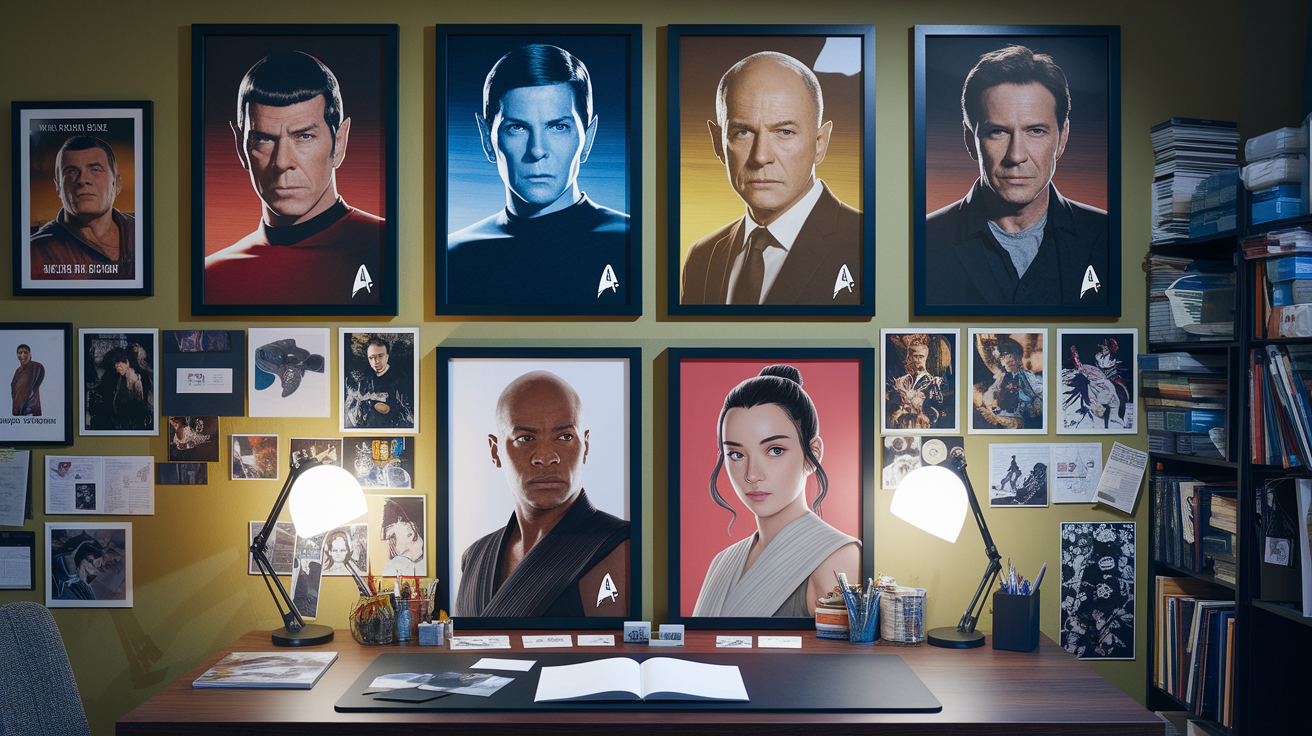
Star Trek’s Kirk and Spock pairing in the late 1970s set the template. Two male characters with intense loyalty, emotional subtext, and zero official romance became the blueprint for slash fiction. Fans saw the potential for something deeper in their interactions and wrote it into existence, distributing stories through zines at conventions. That underground practice stayed niche until the internet arrived. The X-Files took shipping mainstream in the 1990s. Mulder and Scully’s will-they-won’t-they dynamic stretched across nine seasons, and fans organized on Usenet to debate every longing glance and almost-kiss. The term “shipper” was born in that fandom, and the debates were so intense they became cultural shorthand for obsessive fan investment.
Supernatural ran from 2005 to 2020, and the ship “Destiel” (Dean Winchester and the angel Castiel) became one of the longest-running and most contentious pairings in modern fandom. The show’s creators alternated between teasing the relationship and denying it, which only intensified fan production. By the time the series ended, Destiel had spawned hundreds of thousands of fanfiction works, countless pieces of fanart, and an entire meta-commentary ecosystem analyzing subtext frame by frame. The fandom’s scale and longevity turned it into a case study in how unresolved tension fuels sustained creative output.
The Marvel Cinematic Universe’s launch in 2008 introduced a new model. Shared-universe storytelling that encouraged cross-title shipping. Fans paired characters who’d never shared a scene, like Steve Rogers and Bucky Barnes, building on comic book history and emotional beats across multiple films. The sheer size of the MCU meant dozens of potential pairings, and the staggered release schedule kept theory crafting alive for over a decade. Star Wars did something similar with its sequel trilogy from 2015 to 2019. “Reylo” (the pairing of Rey and Kylo Ren) became one of the most visible and divisive ships in recent memory, sparking online activism, merch economies, and real-world debates about redemption arcs and toxic relationships.
Anime and manga fandoms have long institutionalized same-sex shipping in ways Western media only recently began to approach. Yaoi and Boys’ Love genres in Japan built entire commercial markets around male/male romantic pairings, and those traditions crossed over as anime gained global audiences in the 2000s and 2010s. Series like My Hero Academia and Attack on Titan generate massive fanwork volumes, with shipping communities operating across multiple languages and platforms. The scale and organization of anime fandom shipping often surpasses Western equivalents, partly because the industries and fan cultures evolved with shipping already baked in.
How Algorithmic Feeds and Streaming Culture Fueled Modern Fan Theories
Binge-watching changed the pace of theory formation. When Netflix drops an entire season at once, fans consume it in a weekend, then flood social media with reactions, theories, and shipping content before the cultural conversation moves on. That compressed timeline creates urgency. If you don’t post your theory in the first 72 hours, someone else will, and the moment will pass. Streaming platforms also made it easier to rewatch scenes obsessively, scrubbing through frames to catch Easter eggs, background details, or subtle acting choices that support a theory. Video essays became a genre unto themselves, with creators on YouTube producing 20-minute deep dives analyzing single episodes or character arcs.
Algorithmic recommendation systems boost the content that generates the most engagement, and shipping content performs exceptionally well. It’s visual, emotional, and invites debate. Three qualities that drive comments, shares, and watch time. TikTok’s For You Page prioritizes videos that keep users scrolling, so a 30-second shipping edit with the right sound and pacing can reach millions of people who’ve never engaged with that fandom before. Once the algorithm identifies you as someone interested in fan theories or shipping, it feeds you more, creating feedback loops that intensify investment and make niche interests feel mainstream.
Five Ways Algorithmic Systems Amplify Shipping and Theory Content:
- Visibility boost – Engagement metrics push popular ships and theories to the top of feeds, making them discoverable to casual fans.
- Virality acceleration – Content that sparks strong reactions spreads faster, turning private fandom debates into public trending topics.
- Clustering effect – Algorithms group similar content, so engaging with one ship or theory leads to recommendations for dozens more.
- Genre amplification – Platforms learn user preferences and serve hyper-targeted content, deepening investment in specific fandoms or pairings.
- Trend looping – Viral moments get remixed and referenced repeatedly, extending their lifespan and recruiting new participants into fandom communities.
Gender, Demographics, and Cultural Shifts in Shipping Participation
Women make up an estimated 60 to 80 percent of fanfiction creators, depending on the platform and sample, and that gender skew shapes the culture’s priorities. Shipping communities emphasize emotional intimacy, character interiority, and relationship dynamics in ways that mirror broader patterns in how different demographics engage with storytelling. Romance, slow burns, and explorations of vulnerability dominate fanfiction archives, while action-heavy or plot-centric content is less common. That doesn’t mean men don’t participate. They do. But the creative outputs and community norms reflect a space where women and non-binary fans have historically driven the conversation.
Youth demographics dominate most fandom spaces, with large cohorts of participants between roughly 15 and 35 years old. Younger fans grew up with smartphones, social media, and streaming, so creating and sharing fanworks feels native rather than niche. Shipping also serves as a low-stakes way to explore identity, especially around sexuality and gender. LGBTQ fans use shipping to imagine queer relationships in media that rarely provides them, and that representational work doubles as both creative expression and cultural critique. The prevalence of same-sex ships in fandoms with predominantly straight canonical pairings isn’t accidental. It’s a direct response to gaps in mainstream representation.
The demographic patterns also explain why certain conflicts arise. When new fans enter a space, they sometimes bring different expectations about content warnings, consent, and what’s considered acceptable to ship. Generational and cultural divides over “problematic” content have sparked ongoing debates about censorship, freedom of expression, and who gets to set community standards. Those tensions aren’t going away. They’re built into the structure of open, decentralized fan communities that span age groups, countries, and value systems.
Creator–Fan Interactions and Their Role in Shaping Shipping and Fan Theories
Showrunners and writers sometimes lean into shipping culture, dropping hints on social media or crafting scenes that feel like winks to fans. A single tweet acknowledging a popular ship can spike fanwork production overnight, because it validates the interpretive labor fans have been doing. Other creators push back, insisting that fans are reading too much into platonic relationships or that certain pairings were never intended. Both responses shape the community. Teasing fuels hope and creativity, while denial can harden resolve or fracture fandoms into camps that argue over authorial intent versus fan interpretation.
Legal and policy decisions also matter. In the mid-2000s, some platforms cracked down on explicit fanfiction, prompting mass migrations to more tolerant archives. The creation of Archive of Our Own in 2008 was a direct response to fears that corporate intellectual property enforcement would erase years of fan labor. That history taught fandom communities to build their own infrastructure and treat preservation as a collective responsibility. When creators or studios threaten legal action, it rarely stops shipping or theory crafting. It just drives it underground or onto platforms outside corporate control.
| Creator Response Type | Fan Impact |
|---|---|
| Teasing or acknowledgement | Increased fanwork production, heightened emotional investment, hope for canon confirmation |
| Outright denial | Fan defensiveness, debates over authorial intent, sometimes strengthened resolve to ship anyway |
| Canon confirmation | Celebration, but sometimes disappointment if execution doesn’t match fanon expectations |
| Legal action or takedown notices | Platform migration, archival efforts, and community organization to protect fanworks |
Final Words
In the action, we tracked fandom from Kirk/Spock zines to LiveJournal, Tumblr, Reddit, and TikTok to show how platforms and serialized stories made shipping explode.
We sliced into character gaps, community habits, psychological drives, and case studies that turned private fancies into public culture.
Keep an eye on algorithms and creator moves. This piece is about explaining the rise of fandom shipping culture and fan theories, and the trend keeps getting more creative and community-driven.
FAQ
Q: What is fandom shipping culture and why does it matter?
A: Fandom shipping culture is fans pairing fictional characters and creating fanworks and theories; it matters because it builds community identity, fuels creative output, and shapes public conversation about media.
Q: Where and when did shipping originate, and when did the term “ship” appear?
A: Shipping originated in late‑1970s Star Trek zines (Kirk/Spock); the word “ship” crystallized in mid‑to‑late 1990s Usenet, with 1998 archives and early platforms scaling the practice.
Q: How did digital platforms change shipping culture?
A: Digital platforms changed shipping by adding reblogs, hashtags, visual edits, and algorithmic feeds that amplified pairings; LiveJournal, Tumblr, Reddit, AO3, and TikTok each shaped visibility and spread.
Q: What role do character dynamics and narrative gaps play in driving shipping and fan theories?
A: Character dynamics and narrative gaps drive shipping by offering unresolved tension, subtext, and ensemble possibilities that fans fill with headcanons, theorizing, and romantic pairings.
Q: Why do fans create ships and fan theories—what psychological drivers are involved?
A: Fans create ships and theories because parasocial attachment, identity exploration, agency, and pattern‑seeking make pairing characters emotionally meaningful and turn speculation into social creativity.
Q: How do shipping communities organize and what common practices do they use?
A: Shipping communities organize with tags, ship names, content warnings, fanart, fanfiction, collaborative events, wikis and Discord servers to share work, set norms, and manage debates.
Q: How have algorithms and streaming platforms fueled modern fan theories?
A: Algorithms and streaming fueled modern theories by rewarding emotionally charged content, speeding binge cycles, boosting viral edits, and creating feedback loops that amplify speculation quickly.
Q: Who participates in shipping culture—demographics and representation trends?
A: Shipping participation skews young (roughly 15–35) and is majority female among fanfiction creators (about 60–80%); it’s often used to explore representation and marginalized perspectives.
Q: How do creators and showrunners influence shipping and fan theories?
A: Creators influence shipping by teasing, confirming, denying, or retconning relationships; their choices, plus IP enforcement or fanservice, can validate or redirect fandom conversations.
Q: What are notable fandom case studies that show how shipping evolved?
A: Notable cases include Star Trek (Kirk/Spock origins), X‑Files (1990s), Supernatural’s Destiel, MCU post‑2008 cross‑title pairing growth, Star Wars Reylo, and long‑standing anime/BL traditions.