
Is TikTok’s glossy employer brand hiding a burnout engine?
On paper, it’s perks, wellness programs, and a push to “be authentic.”
In reality, employees report 60-plus hour weeks, 6 PM to midnight syncs, and major decisions made in Beijing and Singapore.
That gap between the pitch and the day-to-day is the real story.
This piece pulls back the curtain on life behind the algorithm: why careers can rocket fast, who pays the cost, and what to watch next.
Comprehensive Overview of the Internal TikTok Workplace Environment

TikTok’s work culture has this weird split personality. On one side, there’s the official ByteStyle pitch: bring your authentic self, be candid and clear, seek truth. Add in wellness programs, paid leave, healthcare, free meals, and transport. Sounds great. But employees tell a completely different story. Workweeks pushing past 60 hours. Meetings starting at 6 PM and wrapping near midnight. Major decisions getting made thousands of miles away in Beijing and Singapore. That gap between what the company says and what actually happens? That’s the culture.
Teams are scattered across continents with barely any overlap. Product leadership sits in China. U.S. offices? They’re basically execution arms running strategies built somewhere else. When teams work in a second language, communication accuracy drops to about 75 percent. Pandemic remote work turned two weeks of relationship building into six-month marathons. Trust fell apart. Transparency stayed low. Teams ended up competing against each other without even knowing it.
The environment runs on speed and tolerates burnout. Here’s what defines it:
Relentless pace. Projects move fast. The company intentionally duplicates work across teams to hit market faster.
Extended hours. Sixty-plus-hour weeks are normal, driven by cross-border collaboration that never sleeps.
Cross-border structure. U.S. teams report to Beijing and Singapore leadership, creating power imbalances and slow decisions.
Competitive pressure. Low transparency and locked documents make teams compete. Sometimes they build identical features without knowing the other exists.
ByteStyle values. Official culture talks up candor and authenticity. Execution varies wildly depending on where you are.
Communication friction. Language barriers and timezone chaos reduce information flow and kill alignment.
You get fast career growth, but the personal cost stacks up faster. Employees describe it pretty simply: join for a sprint, not a marathon.
Daily Realities of Work Hours, Cross‑Border Schedules, and Work‑Life Balance at TikTok
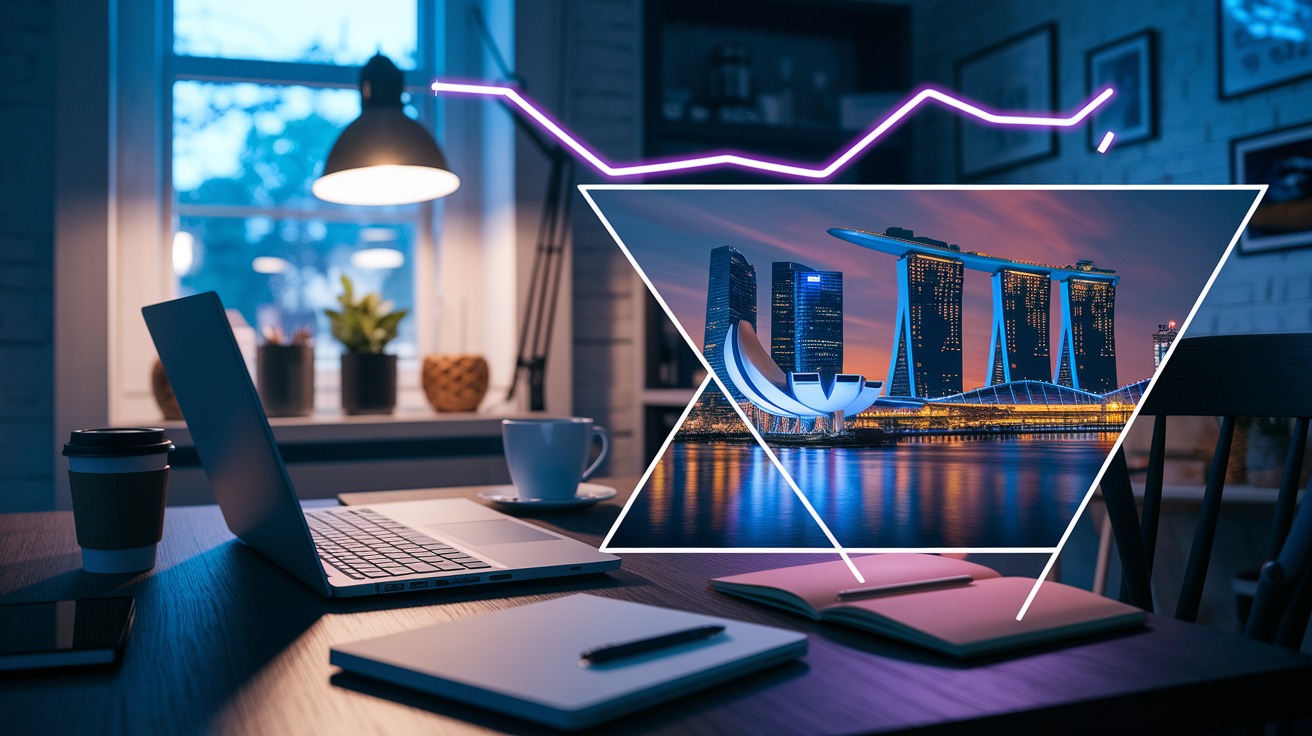
Work at TikTok doesn’t follow anything close to a 9-to-5. U.S. employees regularly join meetings that kick off around 6 PM and don’t wrap until 10 PM or later, just to sync with China. Some weeks include Sunday evening calls because Monday morning already started in Beijing. One employee clocked over 60 hours weekly on average, with almost no personal time during the week and zero chance to visit elderly parents.
The pandemic made everything worse. Remote work killed the informal trust building that happens in hallways or over lunch. What used to take two weeks of in-person work stretched to six months over Zoom. U.S. team members dialed into China office celebrations at 9 PM while their counterparts gathered in person after a trip to Shanghai Disneyland. The isolation wasn’t just about logistics. It was relational. Many teammates were younger, unmarried, no kids, which made late-night schedules easier for them but brutal for anyone juggling family.
Here’s how the schedule typically shakes out:
Late-night meetings. U.S.–China sync calls routinely scheduled from 6 PM to 10 PM or later.
Sunday work. Leadership reviews and planning sessions sometimes land on Sunday evenings to match Monday mornings in Asia.
Minimal core hours. No universal “core time” means teams stretch availability across 12-plus-hour windows.
Shortened overlap. Effective daily collaboration time dropped from eight hours to three or four usable hours.
Irregular leadership reviews. Product approvals and strategic check-ins often land after 10 PM, adding unpredictability.
Parenting at TikTok is technically possible. But it requires home support and schedule flexibility that most employees describe as exhausting. The culture doesn’t punish families outright. It just makes life outside work nearly impossible without serious personal sacrifice.
Organizational Structure and Cross‑Functional Team Dynamics Inside TikTok

TikTok’s org structure is global in theory but centralized in reality. Key decisions happen in Beijing, where ByteDance headquarters sits, with some influence from Singapore. U.S. offices operate as satellite teams executing strategies shaped elsewhere. Most product teams split across the U.S. and China, and no team runs fully independent from the China side. Cross-dependencies are standard, which means progress stalls waiting for input or approval from leaders halfway around the world.
Transparency inside the company is weirdly low. Documents get locked. Org charts stay hidden. Teams sometimes discover they’ve been building nearly identical features only after months of parallel work. Leadership occasionally tells groups to “build separately for now, and we’ll integrate sometime in the future.” The duplication isn’t a mistake. It’s intentional. The company treats internal competition as a way to speed time to market, even if it wastes engineering and design resources. One former employee found product mocks that looked almost identical to their own work, created by a team they didn’t even know existed.
The usable overlap between U.S. and China teams has shrunk dramatically. What used to be a standard eight-hour collaboration window compressed to three or four hours of actual working time. Language comprehension hovers around 75 percent accuracy when teams communicate in a second language, which means key details get lost or misunderstood. Miscommunication isn’t occasional. It’s structural. The result is a workflow where speed gets prioritized but clarity suffers, and employees spend extra hours trying to untangle decisions made in meetings they couldn’t fully follow.
Management Style, Leadership Transparency, and Decision Velocity in TikTok’s Global Environment

Leadership at TikTok operates with a “move fast, replace if needed” mentality. Decision-making authority stays concentrated in Beijing, and U.S. teams often feel like executors rather than strategists. Managers push for rapid delivery because the incentive structure rewards speed above almost everything else. Transparency from the top is minimal. Employees describe a culture where information flows down slowly and selectively, and where asking too many questions can feel like a career risk.
The company’s deep talent pool in China makes turnover less of a concern for leadership. If someone burns out, there’s someone else ready to step in. That “burn and churn” dynamic is tolerated, even encouraged, because it keeps the pace high and the pressure constant. Employees report receiving vague direction like “build it and we’ll figure out integration later,” which creates redundancy but keeps teams moving independently without waiting for alignment.
Here’s how leadership behavior shapes daily work:
Centralized control. Major product and strategy decisions flow from Beijing, limiting autonomy for U.S. teams.
Low visibility. Org charts and team structures stay hidden, making it hard to know who’s working on what.
Speed incentives. Managers get rewarded for fast delivery, not coordination or long-term planning.
Turnover tolerance. High churn is accepted as a cost of maintaining velocity and competitive pressure.
The trade-off is obvious. Employees get exposure to high-impact, fast-moving projects, but they give up clarity, stability, and often their own well-being.
Employee Health, Burnout, and Mental‑Wellness Challenges in TikTok Work Culture
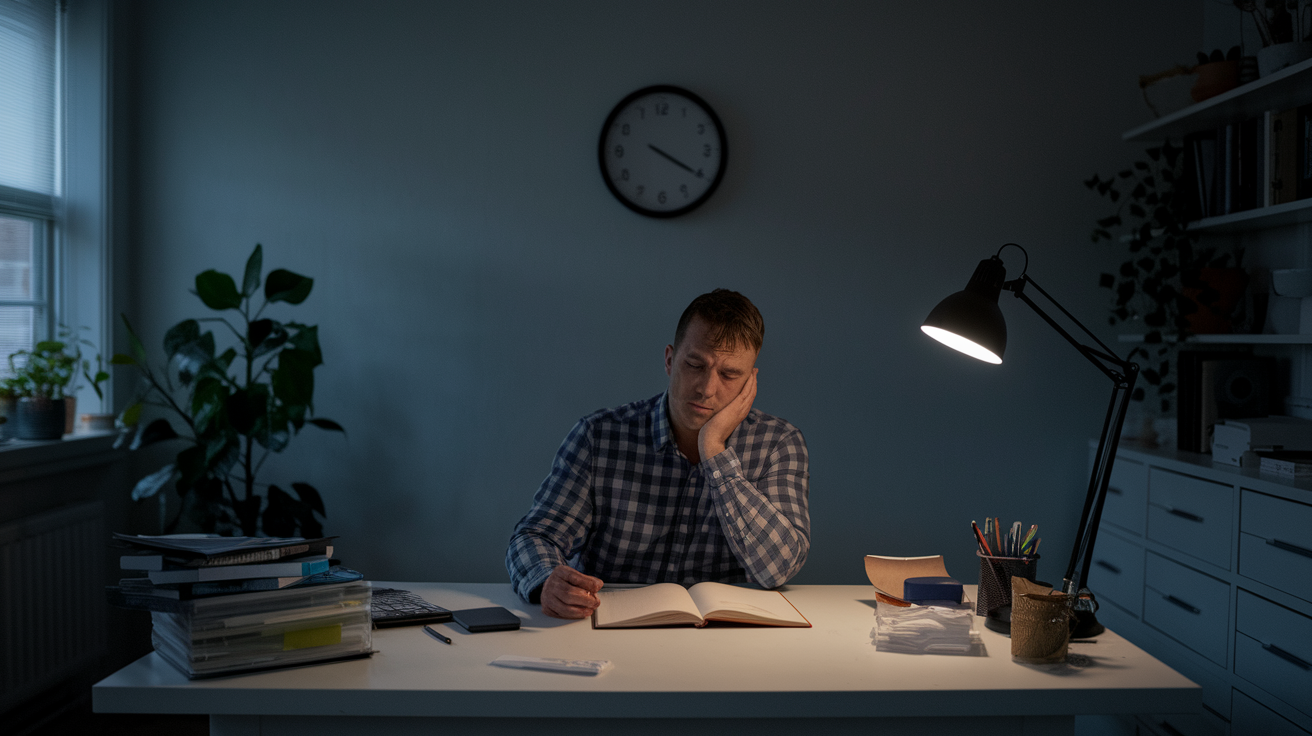
The intensity of TikTok’s work culture takes a real toll. Employees report seeking therapy, entering marriage counseling, losing significant weight, and struggling with sleep. One former team member described working evenings and weekends so consistently that family relationships strained to the breaking point. The combination of long hours, geopolitical uncertainty, and relentless pressure creates an environment where mental and physical health costs pile up fast.
TikTok does offer wellness programs, an employee assistance program, and access to mental health resources. But the structural drivers of burnout stay mostly unchanged. Late meetings, competitive internal dynamics, unclear job security tied to regulatory risk. Employees describe a gap between available support and the daily reality of a workplace that demands more than most people can sustain. Five months after leaving, one employee reported noticeable improvements in mental health, physical health, and relationships, which shows how deep the strain runs while you’re in it.
TikTok Employee Benefits, Perks, and Global Office Support Systems

TikTok’s benefits package looks comprehensive on paper. The company provides healthcare and risk insurance, retirement programs, paid holidays, annual leave, paid sick time, and parental leave. Employees also get access to wellness programs, an employee assistance program, meals, transportation benefits, and language learning opportunities. The perks aim to support “work-life efficiency,” though the long hours and late meetings often undercut that promise.
Benefits vary significantly by location. What’s available in the U.S. may differ from what’s offered in China, Singapore, or Latin America, depending on local regulations and market practices. The company notes that all benefits are subject to change, which adds uncertainty for employees trying to plan around family leave or retirement contributions.
| Benefit Category | Example Items |
|---|---|
| Health & Protection | Healthcare, risk insurance, wellness programs, employee assistance program |
| Time Off & Life Events | Paid holidays, annual leave, paid sick time, parental leave, life event support |
| Work-Life Efficiency | Meals, transport benefits, language learning, retirement programs |
The perks are real. But they function more as a buffer than a fix. Free meals and transit help when you’re working late, but they don’t change the fact that you’re working late in the first place.
Growth, Learning, and Career Mobility Within TikTok’s High‑Speed Environment

TikTok offers rapid career growth for employees willing to sprint. One former team member led the launch of TikTok’s first creator marketplace API and reshaped first-party creator and brand collaboration tools. High-visibility, 0-to-1 work that would take years to access at most companies. The pace means junior employees can make real impact quickly, and ambitious projects move from concept to launch faster than almost anywhere else in tech.
But the tradeoff is steep. The same intensity that accelerates growth also limits how long most people can sustain it. Employees describe TikTok as a place to join for a defined sprint, maybe 12 to 18 months, rather than a long-term home. The learning curve is steep, the exposure is valuable, and the resume line carries weight. Just don’t expect to stay healthy or balanced while you’re there.
Interns and Early-Career Roles at TikTok
TikTok’s internship program emphasizes real contribution over busywork. Interns are expected to make actual impact, not just shadow full-timers. One example highlighted an intern’s day at the New York City office, working on projects tied to live product features. Talent acquisition spotlights from employees like Alexandra and hiring tips from engineers like Arman suggest the company recruits with an eye toward people who can move fast and handle ambiguity. Early-career employees often get more responsibility faster than they would elsewhere, but they also face the same late meetings, cross-border complexity, and pressure that more senior team members navigate.
Diversity, Inclusion, and Belonging Inside TikTok Work Culture
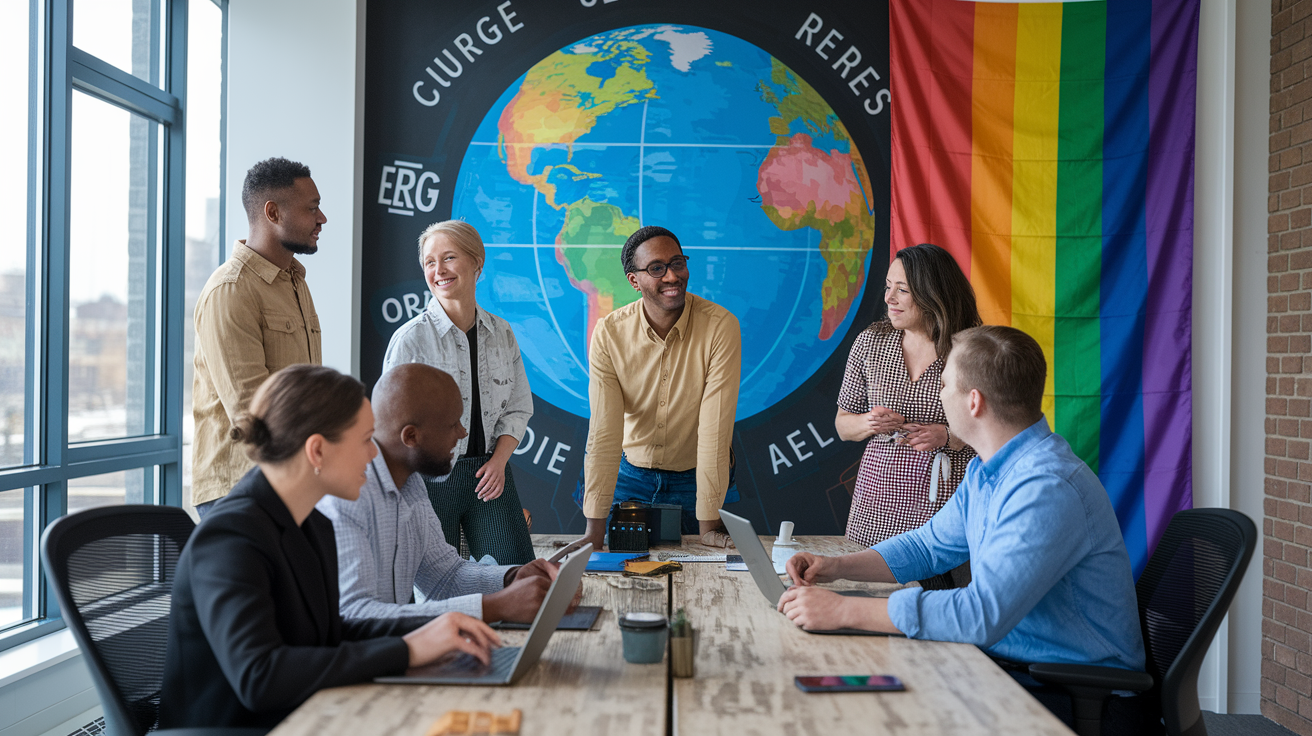
TikTok publicly positions itself as a champion of diversity and inclusion. The company’s messaging emphasizes “Bring your authentic self to work” and “We don’t just celebrate differences, we see them as essential to our success.” Employee resource groups (ERGs) exist to support community-building, and the company highlights initiatives like “You Belong Here: Pride at TikTok!” alongside team-building events and language learning programs.
The reality is harder to measure. Employees from different regions experience vastly different workplace norms, and the centralization of power in Beijing means that global inclusivity messaging doesn’t always translate into distributed decision-making or equitable influence. ERGs and Pride celebrations are visible, but structural issues like timezone inequity, language barriers, and regional power imbalances remain largely unaddressed. TikTok promotes the values. But the infrastructure often works against them.
Geopolitical Pressures, Regulatory Uncertainty, and Their Effects on TikTok Employees

Geopolitics sits like a low hum under everything at TikTok. The summer 2020 Trump-era ban threat created existential anxiety for employees who worried their work could disappear overnight. Chinese regulatory pressure intensified around the same time, adding a second layer of uncertainty. Employees questioned whether a U.S. or European IPO would ever happen, with Hong Kong emerging as the more realistic listing location. The volatility wasn’t abstract. It directly shaped how people thought about their career stability and whether the long hours were worth it.
The psychological weight of geopolitical risk compounded the already intense work culture. Employees described feeling like policy decisions made thousands of miles away could erase months of effort in a single news cycle. The uncertainty fed burnout, eroded morale, and made it harder to commit long-term to projects or teams.
Here are the major geopolitical stressors employees reported:
Ban threats. Regulatory action in the U.S. created fears that the product could be banned or sold, invalidating work overnight.
Chinese regulatory pressure. Increased scrutiny from Beijing added compliance complexity and uncertainty about future direction.
IPO skepticism. Doubts about a U.S. or European listing pushed expectations toward Hong Kong, limiting upside for some employees.
Policy volatility. Constant shifts in government stance on both sides of the Pacific made long-term planning nearly impossible.
For employees navigating 60-hour weeks and late-night meetings, the geopolitical backdrop made it harder to justify the sacrifice. If the company’s future felt unstable, why keep grinding?
Employee Testimonies, Anonymous Sentiment, and Real‑World Reputation of TikTok as an Employer

The range of employee experiences at TikTok is wide, but certain themes repeat. Many describe exhaustion, low transparency, and personal sacrifices that took a toll on mental health, relationships, and physical well-being. One former employee bluntly stated they were unlikely to join another Chinese company after their tenure, citing the intensity and cultural friction as dealbreakers. Others emphasize the career upside. Launching high-profile products, working on creator monetization tools, gaining exposure to global-scale challenges.
Anonymous sentiment often skews negative when it comes to work-life balance and long-term sustainability. Employees consistently note that the company culture shifts people more than people shift the culture. If you go in hoping to set boundaries or change the pace, you’ll likely burn out or leave instead. The few who thrive are often younger, without family obligations, and willing to treat the role as a short-term accelerator rather than a career home.
The company’s employer reputation is split. TikTok attracts talent with its brand, growth trajectory, and the chance to work on a product used by hundreds of millions. But retention remains a challenge, particularly among employees who value predictability, transparency, and sustainable workloads. Glassdoor ratings aren’t provided in public-facing company materials, and the internal reality often contradicts the polished employer branding on the careers page. What’s clear is that TikTok delivers on fast growth and high impact. But it asks for nearly everything in return.
Final Words
Long hours, late meetings and cross-border speed set the scene. Official ByteStyle values often meet employee reports of overtime and communication friction.
You read about leaders directing from Beijing or Singapore, teams juggling limited overlap, and perks like healthcare, parental leave and wellness programs. Growth comes fast. Interns and engineers can do big work, but high tempo and geopolitical stress are real.
Overall, the tiktok work culture is high-speed with real rewards and notable tradeoffs. Expect shifts in transparency and more employee support, and some bright chances to learn and move up.
FAQ
Q: What is the work culture like at TikTok?
A: The work culture at TikTok is fast-paced and high-pressure, with long hours, cross-border coordination, ByteStyle values (candor, authenticity), solid perks, and mixed employee feedback on workload and transparency.
Q: What is the 3 second rule in TikTok?
A: The 3 second rule in TikTok is to hook viewers within the first three seconds so they keep watching—improving watch time and algorithm reach with a bold visual, caption, or surprise opening.
Q: Is TikTok 5 days in office?
A: TikTok’s in-office expectation varies by region and role; many teams use hybrid schedules rather than a strict five-day office week, so check your team’s core-time rules and local office policy.
Q: Does TikTok pay $600 for 1m views?
A: TikTok paying $600 for 1m views is not a set rate; creator fund payouts vary by region, watch time, engagement, and CPM—one million views might earn a few dollars up to several hundred depending on factors.