
Is woke culture fixing injustice, or just making everything political?
It began in Black communities as a call to stay aware about racism and now covers gender, identity, language, and public shaming across schools, media, and workplaces.
Supporters say it pushes needed change, while critics say it punishes people, polices speech, and sparks culture wars.
This piece explains what woke culture actually means, where it came from, why it divides us now, and what to watch next.
Defining Woke Culture in Today’s Sociopolitical Landscape

Woke culture is about staying alert to social injustice, especially when it comes to race, gender, and identity, and actively pushing back against the systems that keep inequality going. The word itself started in Black communities. Lead Belly used it in the 1940s. Civil rights activists picked it up in the 1960s. Then it roared back during the 2010s with Black Lives Matter. Today, being woke means spotting systemic racism, advocating for fairness, watching how language can hurt people, and calling out individuals or institutions when they mess up.
But as the term spread, it got messy. In Britain, 57% of people know what “woke” means. Thing is, 73% use it as an insult while only 11% use it positively. That split tells you everything about the culture war it’s sparked. People who support woke culture see it as necessary progress. Critics think it’s become a tool for censorship, groupthink, and shallow virtue signaling that doesn’t actually fix anything.
What does woke culture usually involve?
Social justice advocacy. Fighting discrimination and pushing for fairness, particularly for groups who’ve been pushed to the margins.
Awareness of systemic inequality. Viewing racism, sexism, and other biases as baked into institutions, not just personal failings.
Identity politics. Making race, gender, sexuality, and class central to how we analyze culture and politics.
Language changes. Adopting terms like Latinx, birthing person, or neopronouns to avoid causing harm.
Public accountability. Using social media to expose bad behavior and demand real consequences.
Critics call this “mission creep.” What began as a way to stay conscious of racial injustice has morphed into an all-encompassing framework that touches nearly every corner of public life.
Historical Development and Cultural Roots of Woke Culture

“Woke” showed up in Black communities back in the 1940s as a shortcut for staying aware of racial injustice and police violence. During the 1960s civil rights movement, activists used “stay woke” to remind people not to get complacent just because some progress was happening. The phrase stuck around in Black cultural spaces but stayed pretty underground for decades.
Then came 2012 through 2015. A string of high-profile deaths of young Black people—George Zimmerman walking free after killing Trayvon Martin, Michael Brown shot by police in Ferguson, Eric Garner killed on Staten Island—lit a fire under modern activism and brought “woke” back into wide circulation. Social media, especially Twitter, became the engine. Hashtags like #BlackLivesMatter (launched in 2013) built instant networks of solidarity. That phrase alone has been tweeted over 30 million times. Algorithms boosted emotionally charged posts, and retweet cascades turned local tragedies into global conversations in hours.
This digital infrastructure let ideas like systemic racism, intersectionality, unconscious bias, and microaggressions jump from academic journals into everyday talk. A college student could write a thread that reached millions. That wasn’t possible before. The speed and scale transformed “woke” from a personal call to vigilance into a mass movement.
Quick timeline:
1940s. Origin in Black communities. Lead Belly uses “stay woke” in a recorded song.
1960s. Civil rights activists adopt it to signal awareness of systemic threats.
2012–2015. Trayvon Martin, Ferguson, Eric Garner deaths catalyze Black Lives Matter activism.
2013–present. #BlackLivesMatter goes global. “Woke” enters mainstream vocabulary and becomes a contested political label.
Core Principles Associated With Woke Culture
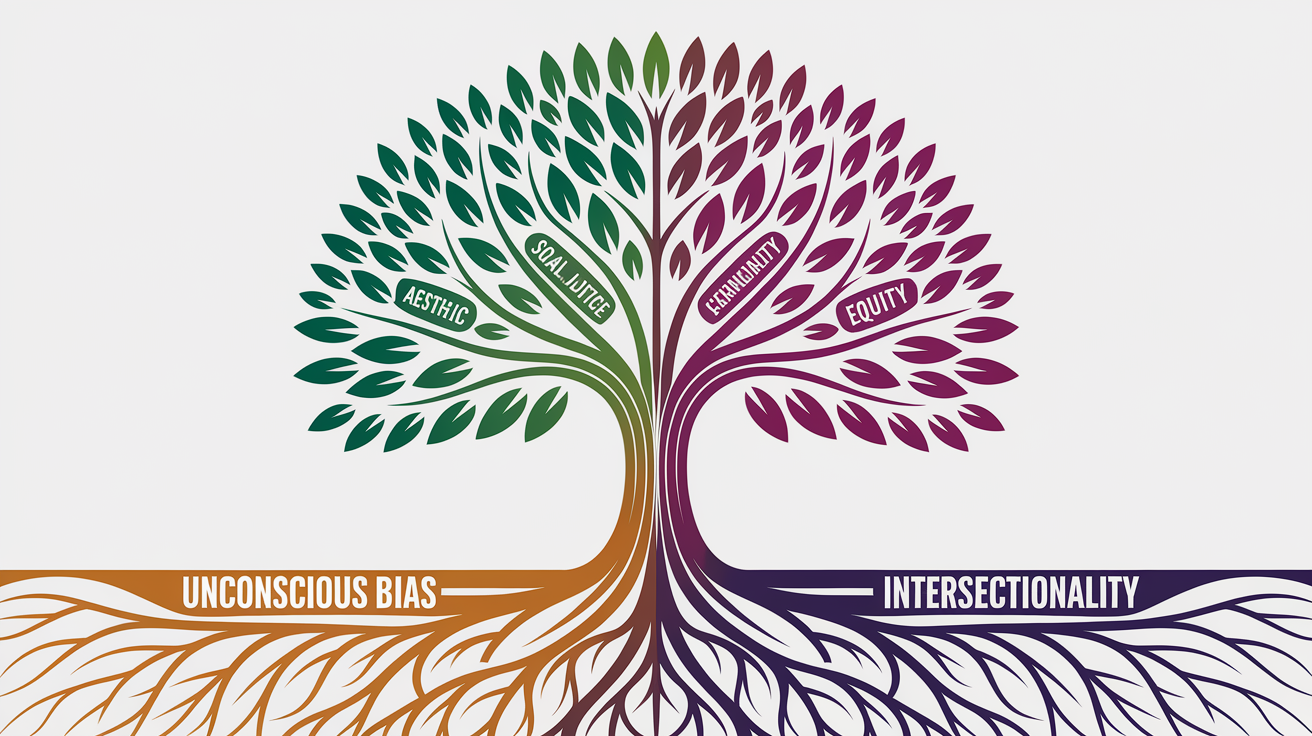
Woke culture rests on a set of ideas that reframe how people think about power, identity, and words. First is social justice—the belief that society has a moral duty to fix historical and ongoing inequalities through deliberate action, not just passive tolerance. Equity is the goal, meaning fair outcomes, not just equal treatment. Identical rules can produce unequal results when groups start from different places.
Another pillar is intersectionality, a framework examining how race, gender, class, sexuality, disability, and other identities overlap to create unique experiences of privilege or oppression. Someone might face sexism as a woman but also benefit from racial privilege as a white person. Intersectionality insists on analyzing both at once rather than treating identities separately. This concept, rooted in Black feminist legal scholarship, became popular in universities and activist circles during the 2010s.
Unconscious bias and implicit association explain why well-meaning people still perpetuate harm. Implicit Association Tests (IATs), developed in academic psychology, claim to reveal hidden biases by measuring split-second mental connections between concepts. For example, linking “Black” with “dangerous” faster than “white” with “dangerous.” These tests became common in corporate diversity training, though their predictive validity is debated. The broader idea is that bias operates below conscious awareness, which pushed institutions to examine hiring, promotion, policing, and media representation for subtle patterns of exclusion.
Language is another focus. Woke culture advocates for inclusive terminology to reduce harm embedded in everyday words. Examples include:
Latinx. A gender-neutral alternative to Latino/Latina.
Birthing person. Used in medical contexts to include transgender men and nonbinary individuals who give birth.
Neopronouns. Pronouns beyond he/she/they (like ze/zir) for people outside the gender binary.
“People experiencing homelessness.” Person-first language to avoid defining someone by their condition.
Microaggressions. Small, often unintentional comments or actions that communicate bias, like asking an Asian American “where are you really from.”
Trigger warnings. Alerts before content that might distress people with trauma histories.
In universities, these principles show up as DEI offices that train faculty, review curricula for bias, and support affinity groups. In media, they drive casting decisions and story choices. In workplaces, they shape HR policy, pronoun etiquette, and employee resource groups. Supporters say this makes institutions fairer and more welcoming. Critics argue it imposes ideological conformity and polices speech.
Woke Culture in Institutions: Media, Academia, and Corporate Environments

Woke culture moved from grassroots activism into institutional policy over the past decade, reshaping how universities, entertainment companies, and corporations operate. In academia, DEI offices became standard, tasked with recruiting diverse faculty, auditing syllabi for representation, running bias training, and mediating disputes over offensive speech. Proponents credit these offices with making campuses safer for students of color, LGBTQ+ students, and other marginalized groups. Critics say they create bureaucratic bloat, stifle academic freedom, and enforce ideological litmus tests on hiring and teaching.
In media and entertainment, woke culture shows up as diverse casting and reimagined classics. Franchises cast women or actors of color in roles traditionally played by white men. Streaming platforms commission stories centered on previously underrepresented identities. Industry executives publicly commit to inclusion riders and representation quotas. Supporters see this as long overdue visibility. Detractors call it “forced diversity” that prioritizes identity over storytelling quality.
Corporate America embraced woke branding most visibly during Pride Month each June, when major companies swap logos to rainbow versions and sponsor parade floats. But contradictions abound. Firms that celebrate LGBTQ+ rights in the United States often operate in countries where same-sex relationships are criminalized, rarely pushing for policy change abroad. A sportswear brand’s ad featuring the first athlete to kneel during the national anthem generated an estimated $6 billion in reported commercial benefit but also sparked boycotts and public backlash. Survey reactions to that campaign showed 60% viewed the ad positively and 73% thought the topic was appropriate for the brand, yet only 45% believed the company demonstrated genuine commitment to the values it promoted.
| Institution | Example of Woke Practice |
|---|---|
| Universities | DEI offices running bias training, pronoun policies, and syllabi audits for representation |
| Entertainment | Diverse casting in franchises; gender-swapped or race-bent reimaginings of classic characters |
| Corporations | Rainbow logos during Pride Month (June); inclusion commitments in annual reports |
| Media outlets | Style guides requiring person-first language, trigger warnings, and sensitivity readers |
| Tech platforms | Content moderation policies banning “hate speech”; employee activism on ethical AI and contracts |
This institutional embrace of woke language and symbols creates a feedback loop. Activists pressure organizations to adopt visible stances, companies comply to manage reputation risk, and the resulting public messaging normalizes the ideas, even when internal practices lag behind the marketing.
Cancel Culture and Public Accountability Linked to Woke Culture

Cancel culture is woke culture’s enforcement mechanism, a form of collective social punishment delivered through coordinated online callouts, boycotts, and demands for consequences. The concept of “cancelling” someone appeared in 1980s television and film as slang for ending a relationship, but social media transformed it into a mass-participation ritual. A resurfaced old tweet, an offensive joke, or a perceived betrayal of progressive values can trigger a cascade. Retweets and quote-tweets pile up, trending hashtags form, employers and sponsors face public pressure to sever ties, and the target’s reputation suffers lasting damage.
Proponents frame cancel culture as accountability culture, a way for marginalized people to check power when traditional institutions like courts, HR departments, or newsrooms fail to act. Before social media, a powerful person’s misconduct might stay hidden or go unpunished. Now a viral thread can force a reckoning within hours. High-profile cases like Harvey Weinstein’s downfall via #MeToo reporting, or comedians losing specials over resurfaced clips, show that public shaming can produce real consequences where legal or corporate systems once shielded offenders.
Critics argue cancel culture functions as mob justice, swift and disproportionate, with little room for context or redemption. A poorly worded tweet from a decade ago, a joke that misfired, or even sincere disagreement on a contested topic can end careers, destroy friendships, and leave people socially exiled. Universities have disinvited speakers under student pressure (deplatforming), and nearly 60% of Britons report self-censoring their political or social views at least sometimes for fear of judgment or negative responses. That chilling effect, critics say, narrows public debate and punishes dissent.
Common consequences of being “cancelled”:
Reputation damage. Viral posts branding someone as racist, sexist, or otherwise bigoted.
Employment loss. Firings, contract cancellations, or forced resignations after public outcry.
Social exile. Friends and colleagues distancing themselves to avoid guilt by association.
Forced public apologies. Statements of contrition, often written under pressure and criticized as insincere.
Fear of backlash also drives institutions to adopt woke positions preemptively, even when leadership privately disagrees. A company might issue a land acknowledgment, pull an ad, or fire an employee not out of conviction but to avoid becoming the next viral target. This dynamic turns cancel culture into a governance tool. The threat of reputational ruin shapes behavior as much as any actual instance of cancellation.
Criticisms of Woke Culture Across the Political Spectrum
Conservative critics see woke culture as an authoritarian ideology that suppresses free speech, enforces ideological conformity, and elevates identity over merit. They argue that university campuses, once bastions of open inquiry, now punish dissenting views through bias reporting systems, mandatory diversity statements in hiring, and speaker disinvitations. The proliferation of “safe spaces” and “trigger warnings” is framed as coddling students rather than preparing them for intellectual challenge. Policies like gender-neutral bathrooms, pronoun mandates, and diversity quotas are described as government overreach or corporate virtue signaling that prioritizes optics over competence.
Conservatives also warn that woke culture dilutes genuine causes by applying the language of justice to trivial grievances. When every disagreement becomes an “act of violence” and every preference a matter of “inclusion,” urgent issues like racial inequality or climate change get lost in the noise. Corporate adoption of woke branding (rainbow logos with no policy follow-through, land acknowledgments without reparations) exemplifies this critique. Companies and politicians exploit progressive rhetoric for marketing or votes while leaving power structures untouched.
Progressive critiques come from a different angle but share some concerns. Left-leaning intellectuals worry that woke culture’s focus on language policing and performative gestures distracts from material politics like housing, healthcare, wages, and state power. They point to internal callout culture as corrosive. Activists turn on allies over minor transgressions, creating a culture of fear that paralyzes organizers and alienates potential supporters. The insistence on purity and the refusal to tolerate disagreement fracture coalitions that need broad buy-in to win elections or pass policy.
Some progressives also critique the “neurotic relation to power” within woke spaces, a simultaneous craving for institutional influence and deep discomfort with wielding it. This shows up in vague slogans (“defund the police”) that energize activists but lack actionable policy detail, or in debates over “carceral feminism” (using the criminal justice system to address gender-based violence) that paralyze decision-making. Without concrete proposals tied to political reality, woke culture risks remaining a cultural force that changes norms but never translates into governance or legislation. DEI bureaucracies in universities, for example, grow large budgets and staff but often produce little measurable impact on student outcomes or faculty diversity, feeding accusations of waste and mission drift.
Notable Case Studies Illustrating Woke Culture
J.K. Rowling became one of the most high-profile flashpoints in woke culture debates when she posted statements on gender identity that many trans activists and allies deemed transphobic. Rowling questioned the use of phrases like “people who menstruate” instead of “women,” and expressed concerns about self-identification policies in single-sex spaces. The backlash was immediate. Actors from the Harry Potter films publicly distanced themselves, fan sites issued denunciations, and calls to “cancel” Rowling trended globally. Supporters of Rowling argued she was raising legitimate questions about sex-based rights and facing a disproportionate pile-on. Critics said her platform amplified harmful rhetoric that endangered transgender people. The controversy crystallized tensions between gender-critical feminism and trans-inclusive activism, with both sides accusing the other of silencing dissent.
Corporate Pride Month campaigns offer a second case study in woke culture’s contradictions. Every June, major brands drape themselves in rainbow colors, sponsor parades, and release limited-edition Pride merchandise. Yet many of these same companies operate in or lobby governments in countries where LGBTQ+ people face criminalization or violence, rarely using their economic leverage to push for legal reform. Consumers noticed. The gap between public celebration in Western markets and silence or complicity elsewhere drew accusations of “woke washing,” adopting progressive symbolism for profit without genuine commitment. When a sportswear brand featured the national anthem kneeling athlete, surveys showed most people approved of the topic but fewer than half believed the company was sincere.
University DEI offices represent a third lens. Proponents credit these offices with making campuses more welcoming by providing bias training, supporting affinity groups, and advocating for underrepresented students. Opponents see them as ideological bureaucracies that enforce conformity, expand administrative overhead, and sometimes undermine academic freedom by pressuring faculty to adopt specific framings in syllabi or research. The same office can be celebrated by one constituency and condemned by another, illustrating how woke culture’s institutionalization creates ongoing friction over who holds power and what values should guide it.
Why Woke Culture Gained Mainstream Influence
Social media algorithms are the most powerful engine behind woke culture’s rise. Platforms like Twitter and TikTok reward emotionally charged content (outrage, solidarity, moral clarity) with higher visibility through retweets, shares, and algorithmic promotion. A single thread exposing hypocrisy or injustice can reach millions in hours, turning local incidents into global conversations. Hashtags like #MeToo and #BlackLivesMatter functioned as instant, searchable archives of testimony and solidarity, making it easy for anyone to join and amplify a movement. This speed and scale made excavating hidden bias and calling out misconduct a mass-participation activity, not just the work of professional activists or journalists.
Generational shifts also played a major role. Millennials and Gen Z grew up with more diversity in media, more open conversations about mental health and identity, and less deference to traditional institutions. They’re statistically more likely to prioritize inclusivity, support LGBTQ+ rights, and view systemic racism as a pressing issue. For younger people, using someone’s correct pronouns or questioning a brand’s ethical record feels like basic decency, not ideological radicalism. This generational divide shows up in polling. Older respondents often view woke culture as excessive or authoritarian, while younger ones see it as overdue progress.
Cultural guilt and historical reckoning provided moral urgency. High-profile reckonings with colonialism, slavery, and sexism (statues toppled, curricula revised, apologies issued) created space for woke ideas to reframe public memory and institutional practice. Events like the murder of George Floyd in 2020 forced millions to confront police violence and systemic racism in real time, via smartphone video watched worldwide. The resulting protests drew an estimated eight million participants in the United States alone, making it one of the largest protest movements in the country’s history.
Fear of backlash or reputational damage became a practical driver. Institutions adopted woke positions not always out of conviction but to avoid becoming the next viral scandal. A corporation facing boycott threats, a university worried about student protests, or a public figure trying to salvage a career all learned that the cost of ignoring woke norms could be steep and immediate.
Major drivers of woke culture’s mainstream spread:
Algorithm amplification. Platforms reward outrage and emotional content, accelerating viral callouts and hashtag movements.
Generational change. Younger people prioritize inclusivity, diversity, and systemic inequality awareness as baseline values.
Historical reckoning. Public confrontations with past injustices (slavery, colonialism, sexism) created moral urgency for change.
Reputation management. Fear of boycotts, protests, or viral backlash pushed institutions to adopt woke stances preemptively.
Long-Term Cultural and Political Impacts of Woke Culture
Woke culture reshaped public discourse by making previously invisible power dynamics visible and by introducing academic concepts like intersectionality, microaggressions, and implicit bias into everyday conversation. Ideas that once required graduate coursework now circulate as TikTok explainers and Instagram infographics. This democratization of knowledge gave marginalized voices new platforms and forced institutions to reckon with critiques they once ignored. Media representation broadened, workplace norms shifted, and millions of people learned to question assumptions about race, gender, and fairness.
But the risks are real. Critics warn of intellectual decline when universities prioritize ideological conformity over open inquiry. If dissenting views are met with deplatforming, mandatory apologies, or professional exile, scholars and students self-censor to avoid career damage. The chilling effect narrows the range of acceptable ideas, making it harder to test assumptions, correct errors, or build coalitions across difference. Public debate suffers the same fate. Nearly 60% of Britons say they sometimes hold back social or political opinions for fear of judgment, suggesting that fear of cancel culture already constrains speech outside elite institutions.
Woke culture’s excesses have also fueled backlash movements. Right-wing populism and reactionary politics gained energy by framing woke norms as elite overreach disconnected from ordinary people’s concerns. When the U.S. Department of Homeland Security posted what critics called “deportation ASMR” (videos celebrating immigration enforcement), it signaled that reactionary policies no longer hid behind coded language. They went explicit because woke culture’s excavations had already exposed the subtext. Experiments like CHAZ/CHOP, an autonomous zone established during 2020 protests in Seattle, ended badly. Two teenagers were shot there, one killed, and six years on the murder remains unsolved. Such failures give ammunition to critics who argue woke politics lacks practical governance skill.
Democratic deliberation weakens when political conversations turn into moral purity tests. If every policy disagreement becomes a question of who’s more oppressed or more complicit, compromise and coalition building become nearly impossible. International friction also grows when Western countries export woke norms, seen by some non-Western societies as cultural imperialism, creating resentment and resistance. The long-term danger is a spiral. Woke overreach provokes backlash, backlash radicalizes the woke, and the center collapses.
Future Paths: Evolving Beyond Woke Culture
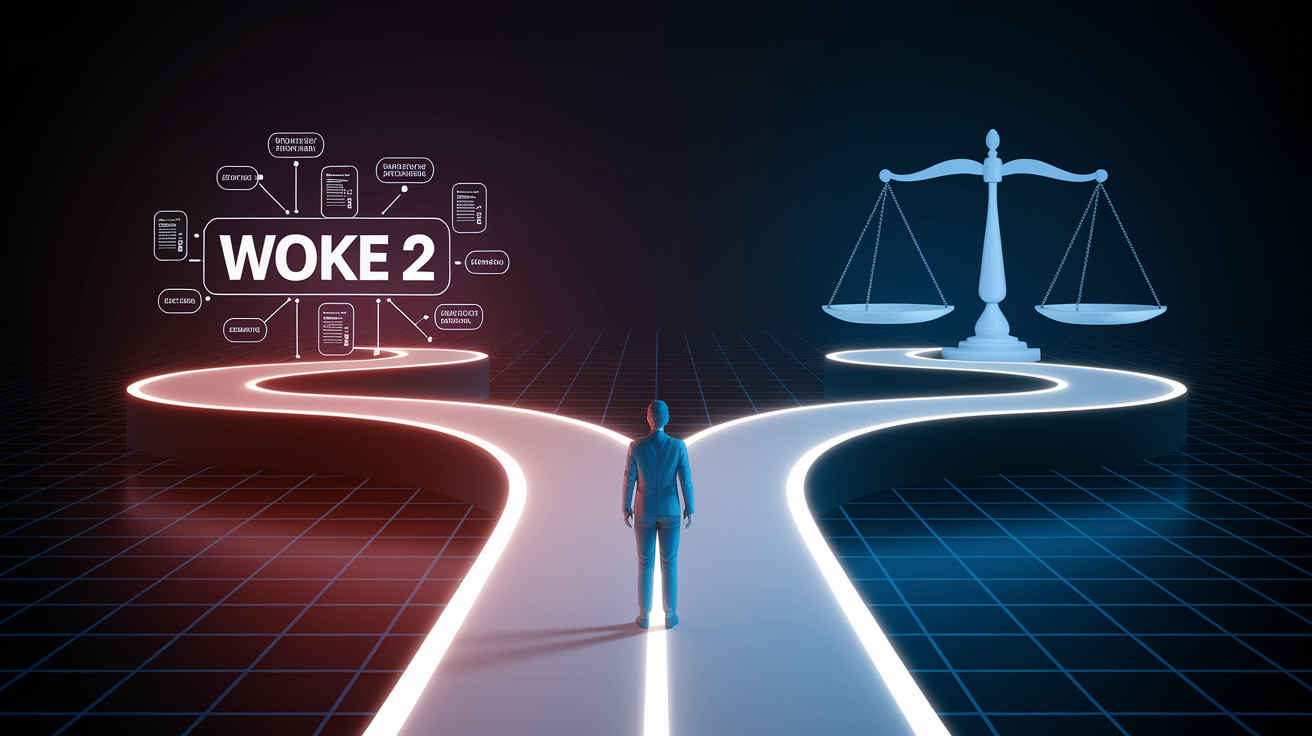
Some thinkers argue the way forward isn’t to abandon woke culture’s insights but to rebuild it with “an honest relation to power,” a shift from purely cultural excavation to organized political work that wins elections, passes laws, and governs effectively. This “Woke 2” would keep the commitment to inclusivity and justice but ditch performative gestures in favor of actionable policy. Instead of debating microaggressions endlessly, it would draft legislation on housing discrimination. Instead of canceling individuals over old tweets, it would organize voter registration drives and primary challenges.
Restoring free speech as a bedrock principle matters here. Tolerating unpopular, even offensive, ideas in public debate allows bad arguments to be tested and refuted rather than driven underground where they fester. Universities can teach resilience and critical thinking instead of shielding students from discomfort. Workplaces can encourage tough conversations without requiring employees to agree on every contested issue. The goal isn’t to silence anyone but to create conditions where people argue, learn, and sometimes change their minds.
Balancing equity with merit is another path forward. Equity-focused policies like affirmative action, diversity hiring, or inclusive curricula aim to correct historical exclusion and remove structural barriers. But when identity becomes the sole or primary criterion for opportunity, public trust erodes and backlash grows. A sustainable approach ties equity to transparent, measurable outcomes. Are students from underrepresented groups graduating at higher rates? Are diverse hires staying and advancing? Are communities seeing tangible improvements in safety, health, or economic mobility? Without that accountability, equity programs risk becoming symbolic.
Authentic activism demands more than rainbow logos and land acknowledgments. It means measurable action like ethical supply chains that pay fair wages, hiring transparency that tracks who gets promoted and why, and concrete accountability mechanisms when organizations fall short. Reclaiming universalism (the idea that all people share fundamental dignity, rights, and humanity) can bridge identity-based divisions without erasing the real differences in how power operates.
Proposed improvements for moving forward:
Restore free speech norms. Tolerate unpopular ideas, encourage open debate, and teach resilience over shielding.
Promote nuance and complexity. Resist flattening every issue into oppressor/oppressed binaries. Allow for disagreement within coalitions.
Balance equity and merit. Use identity-conscious policies with transparent metrics and accountability for outcomes.
Demand authentic activism. Tie public commitments to measurable action (fair hiring, ethical supply chains, policy lobbying).
Reclaim universalism. Center shared humanity and rights alongside recognition of group-based inequality.
Final Words
We jumped straight into how woke culture has shifted from early roots to a mainstream force, what it means now and why the word has become so charged.
You saw the basics: history, core principles like social justice and inclusion, how media and institutions play along, and the rise of cancel culture. We also ran through case studies and future paths.
The big idea? This debate can still lead to better policies and more honest conversations. If we focus on empathy, accountability, and clear goals, it’s possible woke culture will evolve into something more constructive.
FAQ
Q: What does the slang woke mean and what is another word for being woke?
A: The slang “woke” means being aware of social injustices and systemic inequality, especially around race and identity. Another word for being woke is “socially conscious” or simply “socially aware.”