

What if fandoms are built to turn guesses into gospel overnight?
Fans’ intense emotional investment and parasocial bonds (one-sided relationships that feel real) short-circuit normal skepticism.
Identity signaling, a craving for inside knowledge, and instant social rewards make sharing speculative claims feel smart and loyal.
Then algorithms chase engagement, not truth, and echo chambers spray those posts across feeds.
Bottom line: emotion plus social pressure plus platform design explains why a single rumor explodes into a viral conspiracy inside fan spaces.
Psychological and Social Factors That Make Fandoms Vulnerable to Conspiracy Theories
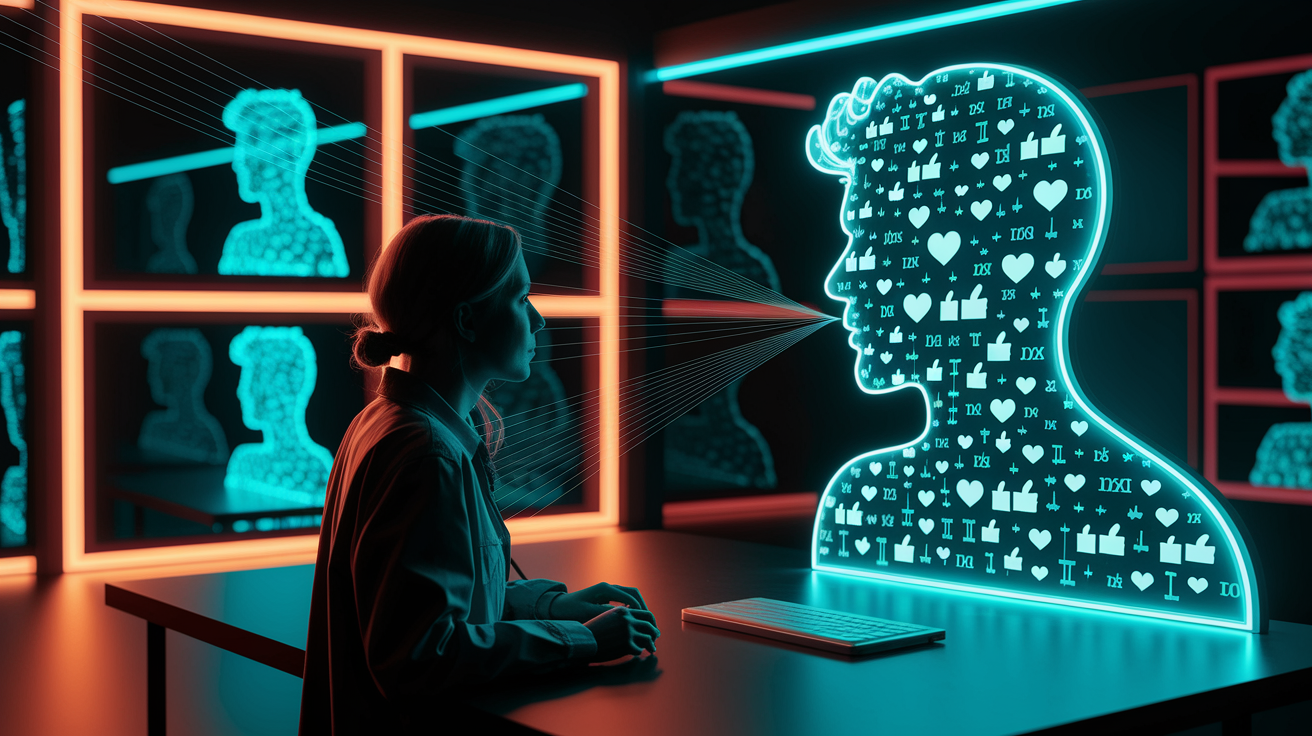
Fandoms are built for spreading conspiracy theories because emotional investment short-circuits normal skepticism. When you’re intensely attached to a celebrity, game, or show, you develop parasocial bonds—one-sided relationships that feel personal even though they’re not. That emotional closeness makes fans protective, hungry for insider knowledge, and quick to read meaning into ambiguous moments. Throw in tribal identity, where belonging to a fan community becomes part of who you are, and members start proving loyalty by sharing whatever narrative the group accepts. Algorithms seal it all in by feeding you content that matches what you already clicked, building echo chambers where the same theories loop until they feel like facts.
Psychological vulnerability spikes in hardcore fan groups because the normal checks on belief get overridden by emotional urgency and social reward. You see a theory that “explains” why your favorite artist dropped cryptic hints or why a game developer made a controversial change. Relief floods in. Validation follows. Sharing that theory earns likes, comments, approval from the group. The more time you spend in fan spaces, the narrower your information diet gets, and the harder it becomes to recognize when a claim has no backing.
Five social mechanisms that escalate rumor circulation in fan communities:
- Reciprocal reinforcement – share a theory, get instant positive feedback (upvotes, retweets, replies), which pushes you to post more speculative content.
- Identity signaling – forwarding a popular conspiracy proves you’re a “real fan” who understands hidden meanings others miss.
- Just-in-case forwarding – fans share unverified claims “in case they’re true” to protect the community or the celebrity, lowering the bar for spreading misinformation.
- Authority heuristics – theories framed as coming from “insiders,” leaked documents, or decoded messages bypass skepticism because they sound exclusive and credible.
- Cross-platform migration – a rumor starts on a private Discord or WhatsApp group, moves to TikTok or Twitter, then gets picked up by YouTube commentary channels, gaining perceived legitimacy at each step.
These patterns show up across every modern fan community. K-pop stans coordinate mass reporting campaigns based on unverified rumors. Gaming communities spiral over datamined files that turn out to be placeholders. The structure stays consistent: emotional fuel, social reward, and algorithmic amplification combine to turn a single speculative post into a viral narrative that feels undeniable inside the fandom bubble.
Cognitive Biases That Fuel Conspiracy Thinking in Fan Communities
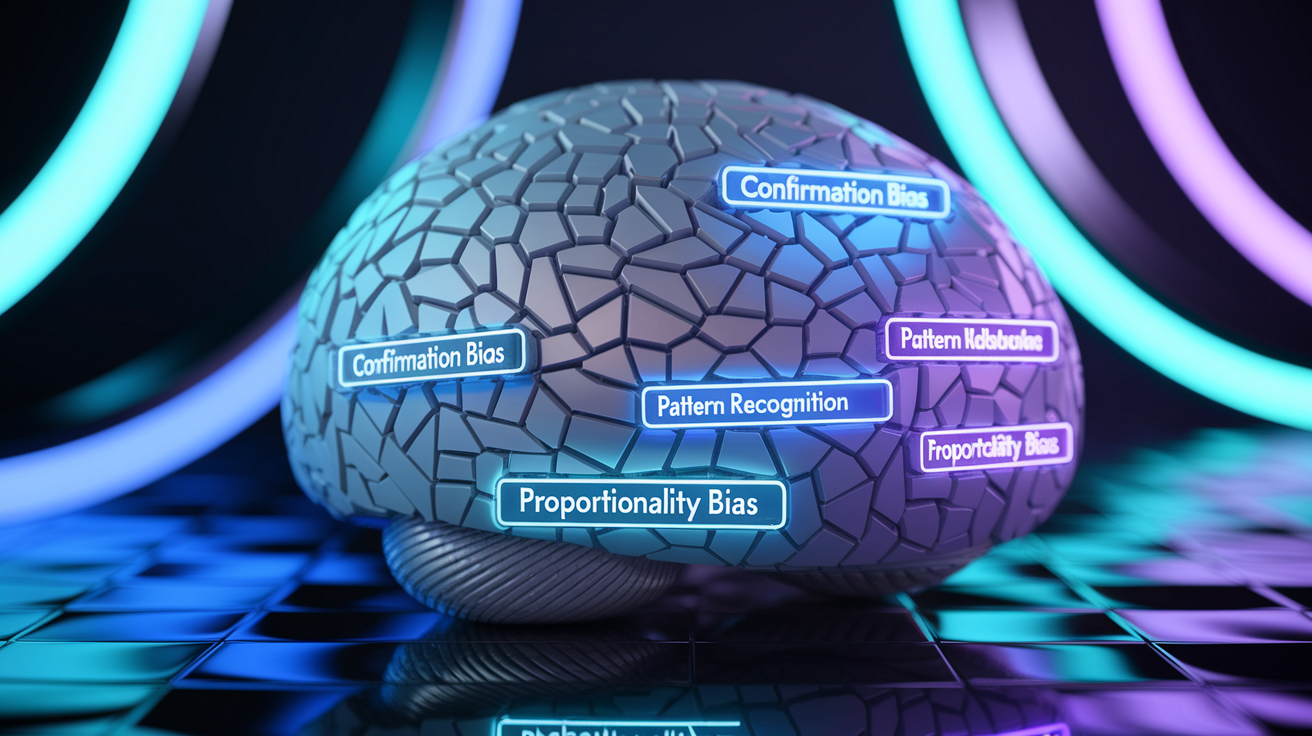
Fans hunt for patterns naturally, and cognitive biases turn that instinct into conspiracy fuel. Confirmation bias makes people seek out and remember information that supports what they already believe while ignoring or downplaying evidence that contradicts it. When you’re convinced your favorite artist is dropping secret messages, every cryptic lyric, every color choice in a music video, every delayed release date becomes proof. Even when the artist has said nothing of the kind. Pattern-recognition bias takes over in ambiguous situations, where your brain connects dots that may not actually form a picture. Human cognition evolved to detect threats and signals quickly. Worked well for survival. Now it misfires when fans interpret coincidences as intentional Easter eggs.
Proportionality bias adds another layer. People assume big, emotionally significant events must have equally big, hidden causes. If a beloved game studio suddenly changes direction, fans may reject the simple explanation (market research, internal politics, creative disagreement) and reach for a grand conspiracy involving corporate sabotage or secret pressure campaigns. The mundane truth feels too small to match the emotional weight of the disappointment.
Taylor Swift fans analyzed liner-note capitalization patterns and declared them coded messages about her personal life, building entire theories around which letters were uppercase. Gaming communities dissected every frame of a trailer for a canceled sequel, convinced that hidden assets proved the project was still alive. Beatles fans in the 1960s played records backward, hearing “Paul is dead” in garbled audio that was never intended to be reversed. In each case, the bias was the same: the brain’s urge to find meaning overrode the need for actual evidence, and the community rewarded the search with attention and validation.
Emotional Triggers and Parasocial Relationships
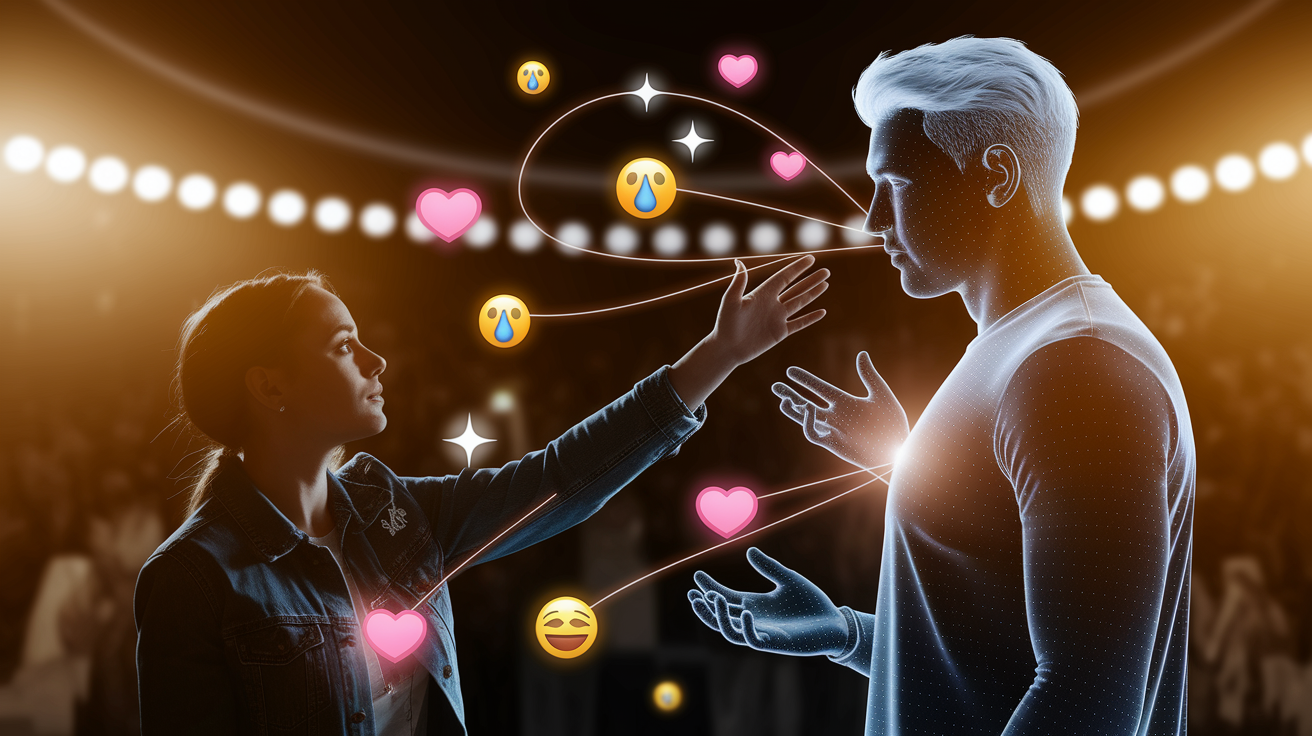
Strong emotional bonds with creators turn fans into defenders who adopt alternative explanations when reality feels threatening. Parasocial relationships create a sense of intimacy and investment that mirrors real friendships, where you feel you “know” a celebrity or character even though the relationship is entirely one-sided.
When something threatens that bond (a scandal, a breakup, a creative decision fans hate), the emotional response is protective. Fans reject official statements and embrace conspiracy theories that reframe the situation in a way that preserves their attachment. If a favorite celebrity faces accusations, fans might circulate theories that the claims are fabricated by rivals, even without evidence, because accepting the allegations feels like personal betrayal.
Emotional triggers like fear, excitement, and moral outrage accelerate how fast theories spread. A panicked voice note claiming “insider” knowledge about a celebrity’s safety gets forwarded rapidly because fear overrides the impulse to verify. Excitement about a rumored surprise album or secret project lowers skepticism because the possibility feels too good to question. Moral outrage over perceived mistreatment of an idol by a label or network fuels theories about hidden exploitation or conspiracies to sabotage a career. In each case, the emotional charge makes sharing feel urgent and necessary. Platforms reward that urgency with visibility. A fan who posts “I’m shaking, this can’t be real” alongside a rumor will get more engagement than someone who calmly asks for a source, so the cycle continues.
How Social Media Algorithms Amplify Viral Fan Conspiracies
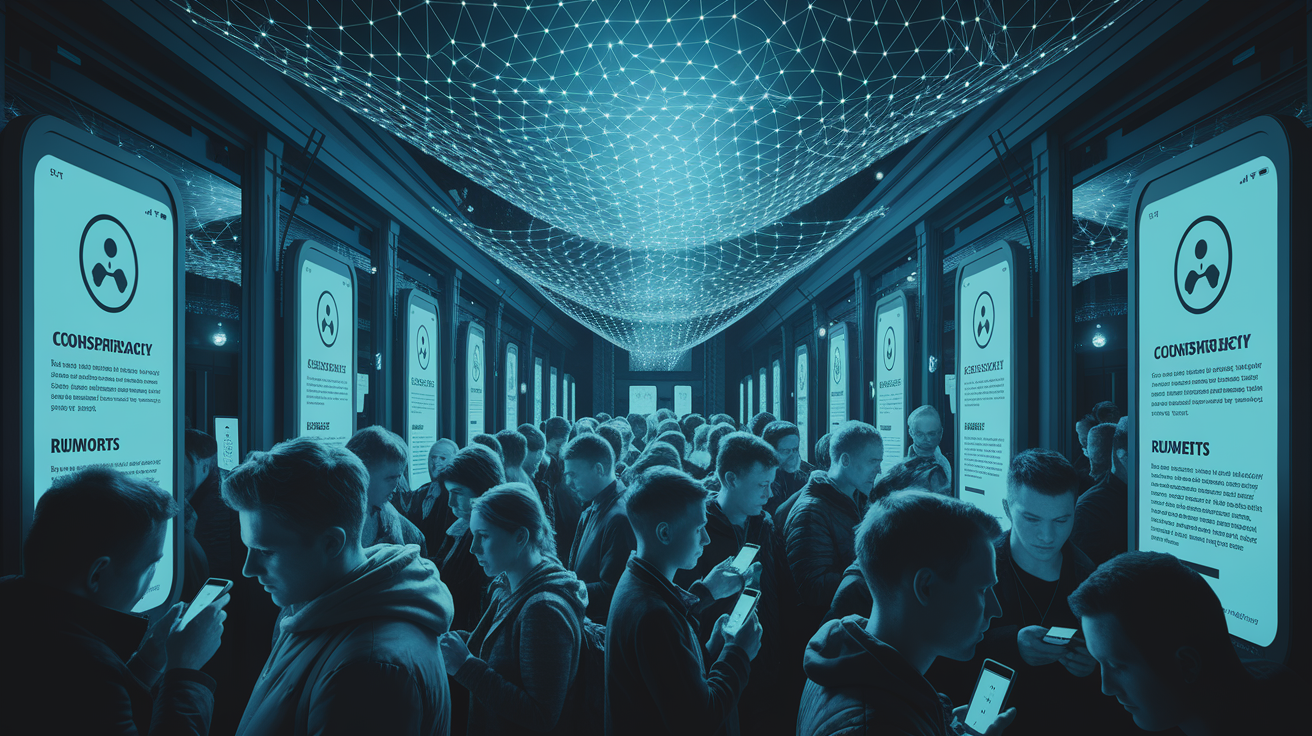
Algorithms prioritize emotionally charged content because platforms make money from engagement. Conspiracy theories generate clicks, shares, and heated comment threads. When a post gets rapid interaction (likes, retweets, saves, or even angry replies), the algorithm interprets that as “valuable” and pushes it to more users. A speculative TikTok video claiming hidden symbolism in a music video can go from a few hundred views to millions in hours if early viewers share it widely. The system doesn’t evaluate accuracy. It evaluates attention, so sensational theories outcompete boring facts.
Echo chambers form when algorithms cluster users into networks of similar interests and beliefs. You watch one conspiracy theory video, you’ll be recommended ten more. Over time, the platform learns to serve only content that aligns with your existing views, creating a closed loop where alternative perspectives and debunking efforts never appear. You start to believe “everyone” agrees with the theory because your feed shows nothing else. Network effects multiply this: when multiple people in a friend group or fandom share the same rumor, each person sees it repeatedly from trusted sources, which makes it feel more credible even if it originated from a single unreliable post.
Platform design actively encourages shareability. Quote-tweet functions, duet and stitch features on TikTok, and one-tap forwarding in messaging apps reduce friction, so sharing takes less effort than pausing to verify. Short-form video formats make it easy to remix and repackage theories without including full context or corrections. A 15-second clip can distill a complex situation into a misleading hook, and by the time a longer, more accurate explanation appears, the viral moment has already passed.
Four algorithm-driven steps that escalate a theory from niche speculation to viral trend:
- Initial post with emotional hook – someone shares a speculative claim framed with urgency, surprise, or outrage (e.g., “Wait until you see what I found in the background of this scene”).
- Rapid early engagement – the post gets likes and shares from a small, highly engaged community, triggering algorithmic promotion to a wider audience.
- Amplification through recommendation feeds – the algorithm surfaces the post to users with similar interests, even if they don’t follow the original poster, exponentially increasing reach.
- Cross-platform migration and media pickup – screenshots and clips migrate to other platforms (Twitter to Reddit to YouTube); mainstream commentary channels and news outlets cover the “viral theory,” lending it perceived legitimacy and restarting the cycle.
Major Case Studies: K‑Pop, Gaming Communities, and Celebrity Fandoms
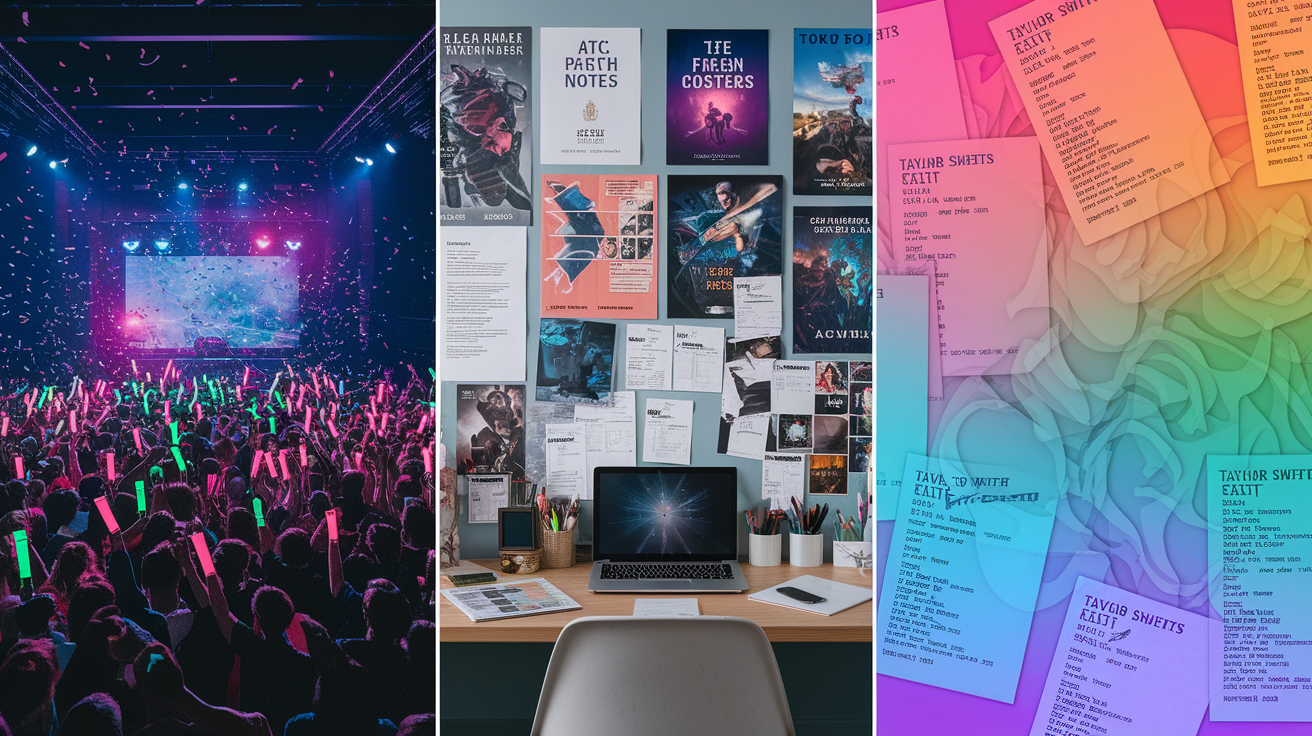
K-pop fandoms have demonstrated coordinated rumor waves that operate almost like digital flash mobs. In one case, fans of a particular group became convinced that a label was sabotaging their idols by limiting promotion and hiding contract details. The theory spread through private messaging apps, where voice notes and screenshots (some real, some manipulated) circulated as “proof.” When the narrative hit Twitter, fans used mass hashtag campaigns to amplify it. Within days, the conspiracy had enough momentum that entertainment journalists began covering it as a legitimate controversy. The underlying mechanics included tight-knit community structures, high emotional investment in the success and well-being of idols, and algorithmic reward for collective action. Even after the label released financial records disproving the claims, many fans continued to believe the conspiracy because rejecting it would mean admitting they’d been wrong and potentially betraying the group.
Gaming communities circulate conspiracy theories tied to developer intent and hidden content, especially around patches, updates, and canceled projects. When a popular game studio announced a major redesign, players dissected every line of patch notes and every frame of behind-the-scenes footage, convinced that cut features were being deliberately withheld or that the studio was lying about technical limitations. Datamined files (often placeholders or test assets never meant for public release) were treated as smoking guns. Forums and subreddit threads built elaborate timelines connecting unrelated events. YouTube creators produced hour-long “investigation” videos that framed mundane development decisions as cover-ups. The conspiracy persisted because gaming culture rewards deep knowledge of lore and mechanics, so uncovering “hidden truths” becomes a form of status. The community also had a history of adversarial relationships with publishers, priming members to assume bad faith.
Celebrity fandoms frequently generate relationship or PR-based conspiracies, particularly around perceived secrecy or ambiguity in public statements. The “Gaylor” phenomenon (where fans analyze Taylor Swift’s lyrics, liner notes, music videos, and social media for evidence of hidden queer identity) exemplifies how interpretive play can evolve into entrenched belief systems. Fans pointed to a wig in the “You Need to Calm Down” video that echoed the bisexual flag, capitalized letters in album booklets that spelled out supposed coded messages, and color symbolism across years of visuals. One researcher analyzed 70 TikTok videos and documented how each video built on the last, creating a layered narrative that felt comprehensive and internally consistent. For participants, the theory offered a sense of insider knowledge, community belonging, and emotional connection to an artist they admired. The pattern repeats across celebrity fandoms: fans construct alternative narratives when official stories feel incomplete, unsatisfying, or inconsistent with their emotional investment.
Expert Insights on Why Fan Conspiracies Go Viral

Communication scholars and sociologists emphasize that fan conspiracies thrive because group identity formation creates powerful in-group loyalty and out-group suspicion. When being a fan becomes a core part of your self-concept, defending the community’s shared beliefs feels like defending yourself. Crowd psychology research shows that when people gather in tight-knit online spaces, individual critical thinking often gives way to collective emotion and conformity pressure. Media literacy gaps compound the problem: many fans, especially younger users, haven’t been taught how to distinguish credible sources from persuasive rhetoric or how algorithms shape the information they see. Fast-paced information environments reward the first, most emotionally compelling story, not the most accurate one, so misinformation outpaces correction.
Researchers studying digital communication patterns highlight emotional contagion (the way feelings spread rapidly through networks) as a key driver of viral conspiracy theories. A single post expressing fear, outrage, or excitement can ripple through a fandom in minutes, with each share adding social proof and perceived legitimacy. Experts note that platforms aren’t neutral spaces. Their design choices about what to promote, how to display content, and which behaviors to reward actively shape how theories spread. The combination of algorithmic amplification, identity-driven sharing, and limited exposure to counter-evidence creates conditions where even implausible claims can feel undeniable inside a fandom bubble.
Final Words
We opened by showing how strong feelings, parasocial bonds, tribal identity, and algorithmic echo chambers make fandoms fertile ground for rumors. We then broke down the psychology, key cognitive biases, emotional triggers, and platform mechanics that keep theories alive.
K-pop, gaming, and celebrity case studies showed the same patterns, and experts linked them to identity and fast online loops.
For a simple takeaway on why viral conspiracy theories spread in fandoms explained: emotion plus algorithm. With awareness and quick fact checks, fans can stay curious and keep their communities fun.
FAQ
Q: Why do conspiracy theories spread easily in fandoms?
A: Fandoms are vulnerable to conspiracy theories because intense emotional investment, parasocial bonds, tribal identity, and algorithmic echo chambers reinforce rumors and reward dramatic, shareable content that spreads fast.
Q: What psychological vulnerabilities make fans prone to conspiracies?
A: Psychological vulnerabilities that make fans prone include strong need for belonging, identity fusion with groups, emotional dependence on creators, and heightened sensitivity to threats or betrayal favoring alternative explanations.
Q: Which cognitive biases fuel conspiracy thinking in fan communities?
A: Cognitive biases fueling fan conspiracies include confirmation bias, pattern-seeking that reads hidden meaning into vague cues, and proportionality bias that assumes big events must have big causes, skewing interpretations.
Q: How do parasocial relationships and emotions trigger rumor adoption?
A: Parasocial relationships and emotions trigger rumor adoption by creating perceived intimacy, protective instincts, and strong reactions such as fear, moral outrage, or excitement that make fans accept and spread unverified explanations defending favorite creators.
Q: How do social media algorithms amplify fan conspiracies?
A: Social media algorithms amplify fan conspiracies by prioritizing emotionally engaging posts, boosting early engagement, clustering like-minded users into echo chambers, and rewarding shareable, sensational content that reaches wide audiences quickly.
Q: What social mechanisms escalate rumor circulation in fandoms?
A: Social mechanisms that escalate rumor circulation include emotional sharing, influencer or moderator amplification, tight-knit group signaling, coordinated reposting, and anonymous testing or speculation that lowers accountability and speeds spread.
Q: How do K-pop, gaming, and celebrity fandoms differ in spreading conspiracies?
A: K-pop fandoms use coordinated messaging and fan accounts, gaming communities push patch- and developer-intent theories from close reads, and celebrity fandoms focus on relationship or PR narratives, each using their norms and platforms.
Q: What do experts say about why fan conspiracies go viral?
A: Experts say fan conspiracies go viral because group identity, crowd psychology, emotional contagion, rapid digital circulation, and media literacy gaps make communities more likely to accept and amplify unverified claims.
Q: How can fans spot and stop misinformation in their communities?
A: Fans can spot and stop misinformation by checking original sources, pausing before sharing, asking simple verification questions, politely challenging central spreaders, and promoting reliable outlets to shift community norms.