

What if the Met Gala became less of a celebrity parade and more of a museum critique?
The 2026 theme, “Fashion is Art,” asks stars to treat outfits like paintings or sculptures, evidence of thought, craft and narrative, not just glamour.
That makes the red carpet a place for arguments.
Who shows true craftsmanship, and who leans on vague “artsy” gestures?
This post explains how designers and celebrities translate dress codes into wearable essays, the moves that work, and the mistakes that read as off-theme.
What This Year’s Met Gala Theme Means (Quick Explanation)
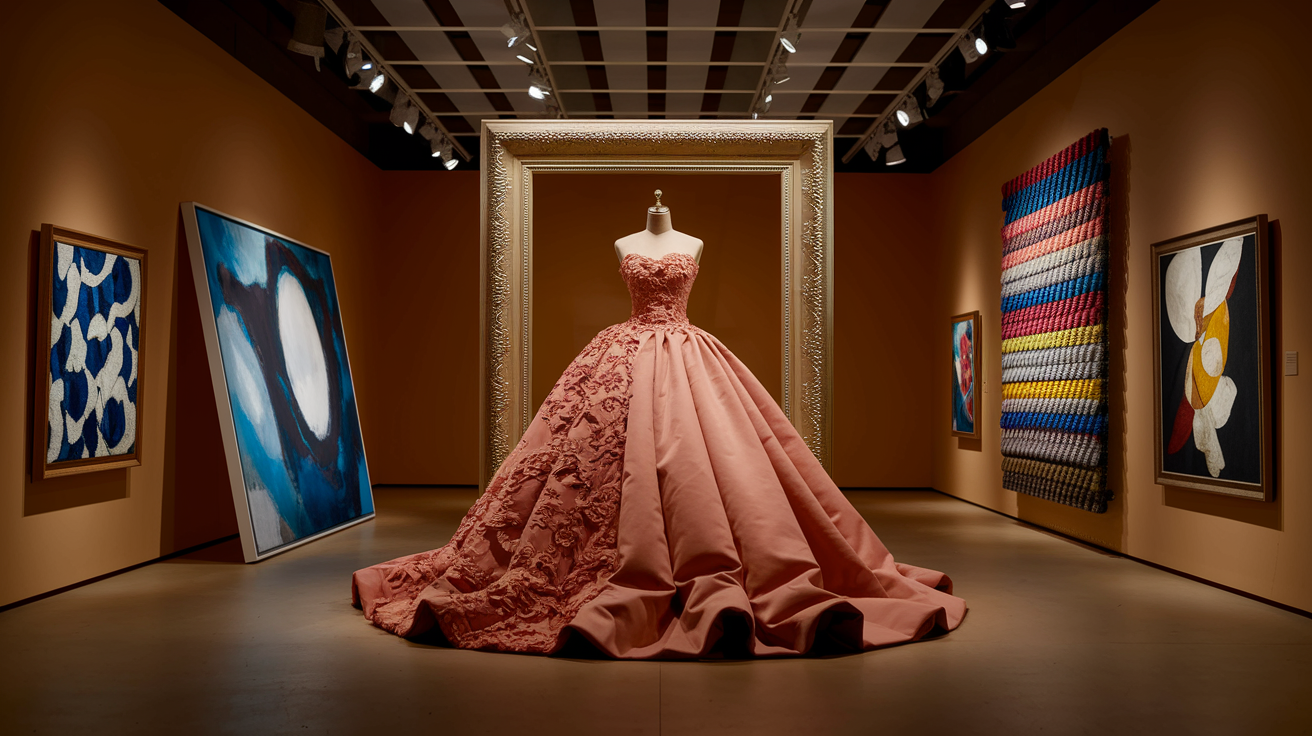
The 2026 Met Gala theme is “Fashion is Art,” paired with the Costume Institute exhibition “Costume Art,” curated by Andrew Bolton. It asks attendees to treat clothing like paintings or sculptures. Not just glamorous outfits, but intentional, conceptually rigorous art objects. Unlike past themes such as “Heavenly Bodies” or “Camp,” this one doesn’t offer a single visual shortcut. It’s wide open. That means guests need to show evidence of thought through construction, symbolism, narrative. The dress code isn’t about safe glamour. It’s about making an argument on the red carpet.
The exhibition places garments alongside works from the Metropolitan Museum’s permanent collection to argue that fashion functions like fine art. Bolton’s curatorial approach frames clothing as canvas, frame and gallery all at once. Attendees are expected to design looks that can withstand critique the way artworks do. The theme is expansive on purpose, creating both freedom and risk. Without a clear historical or aesthetic anchor, superficial or off-theme looks can easily hide behind vague “artistic” gestures.
To succeed under this theme, a look should demonstrate:
- Visible craftsmanship that shows how the garment was constructed or engineered
- Clear conceptual references, whether historical, symbolic or material
- Architectural or sculptural silhouette using shape as a storytelling device
- A coherent statement that can be critically engaged, not just photographed
The 2025 Met Gala theme was different. “Tailored for You” tied to the exhibition “Superfine: Tailoring Black Style.” That theme drew from the 2009 book Slaves to Fashion: Black Dandyism and the Styling of Black Diasporic Identity and traced the history of Black dandyism from the 1700s Atlantic slave trade era to modern autonomous self-fashioning. The dress code called for well-tailored, menswear-inspired looks celebrating Black designers and culture. Exhibition concepts included Heritage, Beauty and Cool, with featured artists like Torkwase Dyson, Tanda Francis, André Grenard Matswa and Tyler Mitchell. Colman Domingo, Lewis Hamilton, A$AP Rocky, Pharrell Williams and Anna Wintour served as co-chairs, with LeBron James as honorary chair. The host committee included 20 members like André 3000, Chimamanda Ngozi Adichie, Dapper Dan, Spike Lee, Janelle Monáe, Usher and Kara Walker.
Context Behind the Theme’s Cultural and Artistic Inspiration
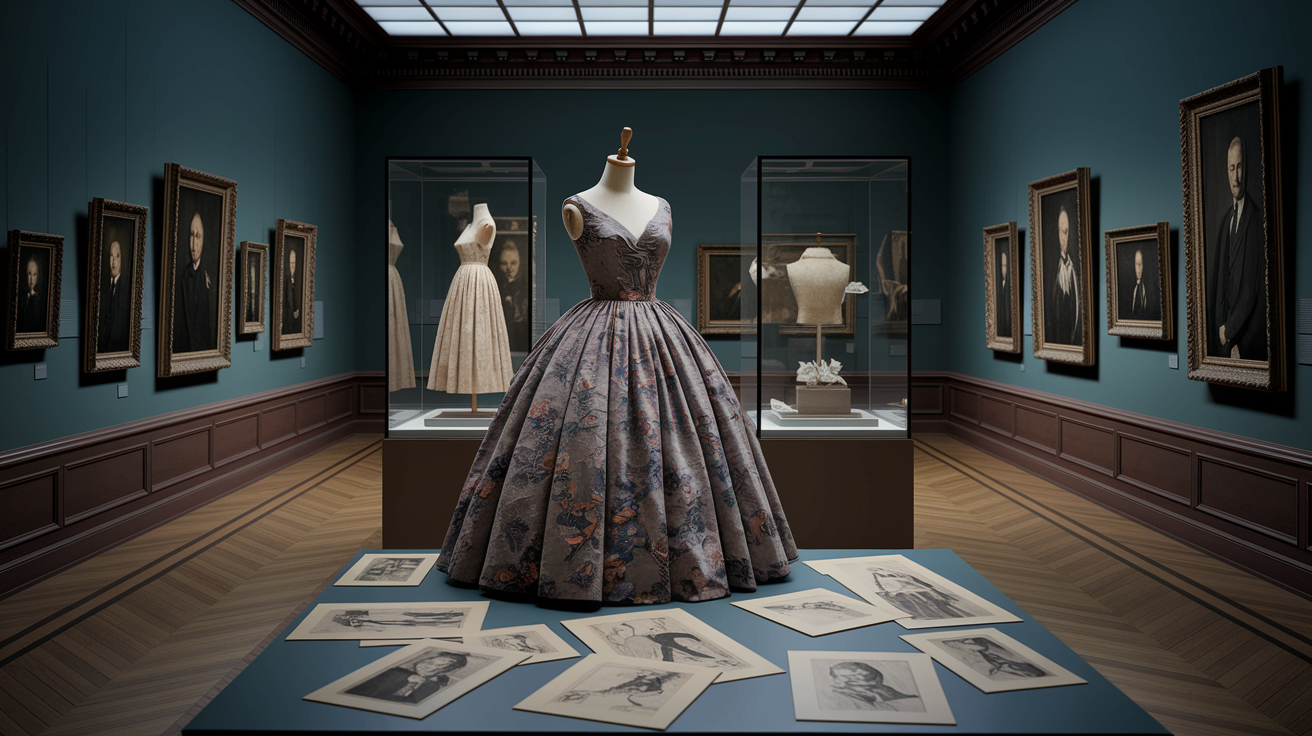
The “Fashion is Art” theme roots itself in the institutional claim that fashion deserves intellectual parity with fine art. The Metropolitan Museum is asserting that the atelier merits the same reverence as the studio. By pairing garments with works from the museum’s permanent collection, the exhibition frames clothing as cultural record. History in motion. A visual time capsule of 2026. This isn’t about comparing a dress to a painting in terms of beauty. It’s about arguing that both are constructed, engineered and staged experiences carrying meaning through material, form and context.
The theme’s expansiveness is intentional, but it also creates ambiguity. Unlike themes pointing to a specific era, religion or aesthetic movement, “Fashion is Art” offers no obvious starting point. That forces designers and celebrities to define their own interpretive framework. The risk? Without a clear reference, the theme can enable generic looks disguised as conceptual. The opportunity? It rewards rigor. Fashion becomes a medium for argument, and the red carpet becomes a gallery on the first Monday of May.
How Designers Interpret the Met Gala Theme

Designers begin by studying the exhibition brief, curatorial notes and any archival or historical references tied to the theme. For “Fashion is Art,” that means diving into art history, museum collections and the language of conceptual practice. Some designers pull from specific movements like Cubism or Surrealism. Others reference the relationship between craft and fine art, like the way textile artists have fought for recognition in gallery spaces. The research phase is deep. Museum visits, consultations with art historians, close readings of the exhibition catalog.
Translation from concept to garment happens through fabric choices, silhouette and construction techniques. A designer might use hand-painted textiles to literalize the “canvas” metaphor, or build a structured gown mimicking the geometry of a sculpture. Materials become storytelling devices. Metals, wire, resin and unconventional fabrics signal that the garment is more than cloth. Silhouette can reference art periods. A voluminous shape might nod to Baroque drama, while clean lines and negative space could invoke Minimalism. The goal? Make the garment read as an intentional object, not just a pretty dress.
Interpretations typically fall into three modes: literal, abstract and metaphorical. Literal looks directly reference specific artworks or art movements, like wearing a dress printed with a famous painting. Abstract interpretations focus on form, texture and material, creating something that feels like art without citing a single piece. Metaphorical looks use fashion to comment on the nature of art itself, like a garment that deconstructs tailoring to question what makes something “finished” or “gallery-worthy.” Avant-garde designers lean abstract or metaphorical. Commercial houses often play it safer with literal nods. The best interpretations sit somewhere in between, balancing clarity with creative risk.
Examples of On-Theme Looks From Past Galas
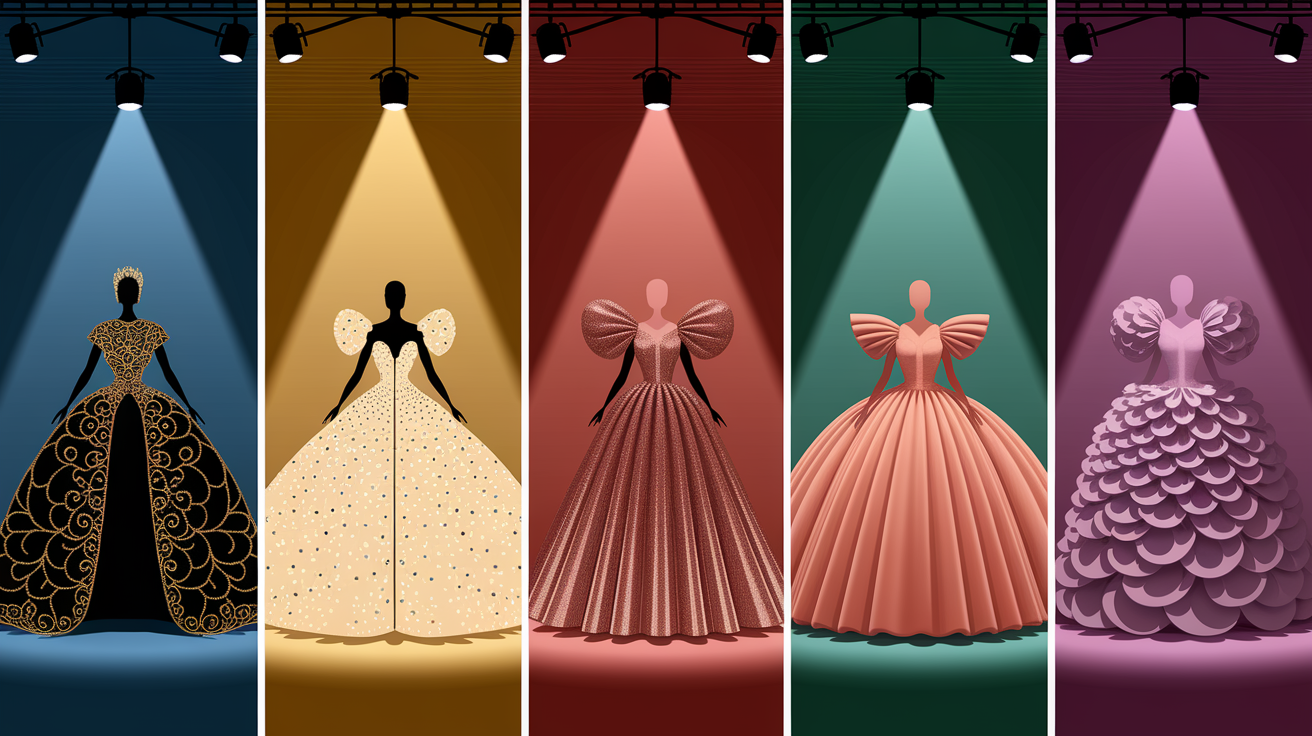
Understanding what “on-theme” means is easier with examples. Past Met Galas have produced iconic looks that directly engaged their respective themes through research, craft and storytelling. These are the outfits fashion historians point to when explaining how a celebrity and designer successfully translated a curatorial brief into a red carpet moment.
| Celebrity | Designer | Theme Year | Why It Fit |
|---|---|---|---|
| Rihanna | Guo Pei | 2015 – “China: Through the Looking Glass” | Massive yellow cape with intricate embroidery referenced Chinese imperial robes and took 50,000 hours to make. The scale, craft and cultural symbolism directly aligned with the exhibition’s focus on Chinese art and couture. |
| Zendaya | Tommy Hilfiger (styled by Law Roach) | 2019 – “Camp: Notes on Fashion” | Cinderella gown that lit up on the red carpet, complete with a fairy godmother moment. It was theatrical, self-aware and leaned into Camp’s love of artifice and transformation. |
| Blake Lively | Atelier Versace | 2022 – “Gilded Glamour” | Copper gown that oxidized and changed color on the carpet, revealing a blue-green patina. The transformation referenced the Statue of Liberty and literal gilding, matching the theme’s focus on 1870s–1890s American opulence. |
| Billie Eilish | Gucci | 2021 – “In America: A Lexicon of Fashion” | Peach ball gown inspired by Holiday Barbie and classic Hollywood glamour. It nodded to American fashion nostalgia and the idealized femininity that defines a specific strand of U.S. style history. |
| Lady Gaga | Brandon Maxwell | 2019 – “Camp: Notes on Fashion” | Four outfit reveals on the red carpet, starting with a voluminous pink gown and ending in black lingerie and a wagon. The performance aspect embodied Camp’s emphasis on theatricality and exaggeration. |
These looks succeed because they demonstrate research, craft and a clear point of view. Rihanna’s Guo Pei cape wasn’t just beautiful. It was evidence of labor and cultural reverence. Zendaya’s Cinderella transformation used technology and narrative to engage with Camp’s love of spectacle. Blake Lively’s oxidizing gown was a material argument about time, patina and American symbolism. Each outfit could be critiqued like an artwork because it had intention behind it.
On-theme looks also tend to involve collaboration between celebrity, stylist and designer. The best ones feel like essays, not just fashion moments. They give viewers something to unpack. When a garment references a specific art movement, historical period or cultural context, it invites conversation. That’s what the Met Gala is built for. The red carpet is a public-facing extension of the exhibition, and the most successful looks function as entry points into the theme for people who’ll never visit the museum.
Off-Theme or Misinterpreted Looks (Why They Miss the Mark)
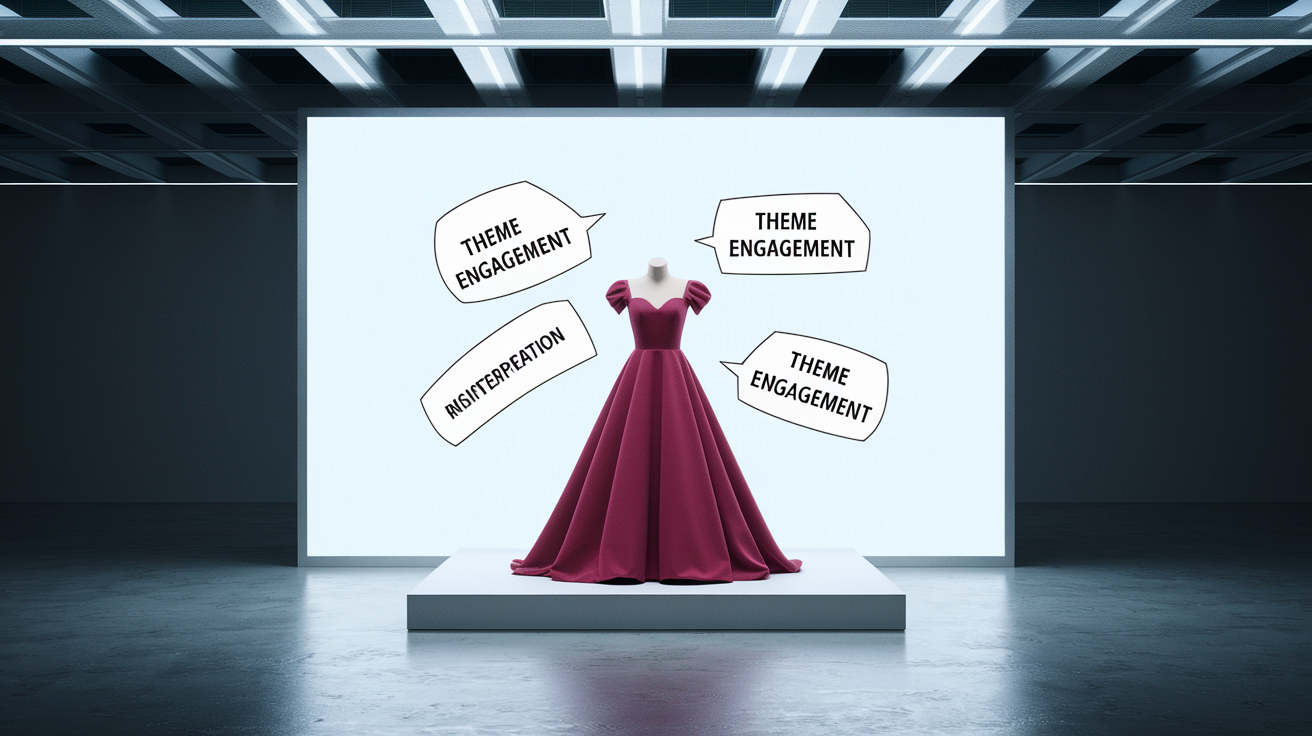
Some looks get criticized because they ignore the theme entirely or offer such a loose interpretation that it reads as generic red carpet glamour. This happens when a celebrity or stylist prioritizes brand partnerships, personal style or safe choices over thematic engagement. A beautiful gown can still be off-theme if it doesn’t connect to the curatorial brief. For example, a sleek, minimal dress might work for a typical awards show, but if the theme is “Gilded Glamour” and the look has no historical reference, opulence or period detail, it misses the assignment.
Misinterpretation often comes from surface-level engagement. A celebrity might wear something vaguely “artsy” for a theme like “Fashion is Art” without demonstrating craft, concept or narrative. The result is a look that feels like it’s trying to get away with doing the minimum. Fashion critics and historians can usually spot when an outfit wasn’t researched. If the garment doesn’t show evidence of thought, through construction, symbolism or historical grounding, it falls flat, no matter how expensive or well-made it is.
Common reasons looks appear off-theme:
- Playing it too safe by choosing a standard gown or suit that doesn’t engage with the theme’s historical, cultural or artistic context
- Misreading the dress code by focusing on personal branding or commercial appeal rather than the exhibition’s curatorial direction
- Relying on vague gestures like “edgy” styling or one symbolic accessory instead of building a cohesive, thematically grounded look
Expert Takes: How Fashion Historians Interpret the Theme

Fashion historians approach Met Gala themes by unpacking the curatorial and cultural layers casual viewers might miss. For a theme like “Fashion is Art,” experts look at how the Costume Institute is positioning fashion within the larger art historical canon. They analyze what it means for the Metropolitan Museum to place garments alongside paintings and sculptures, and what that says about the ongoing fight for fashion to be taken seriously as an intellectual and creative discipline. Historians also examine how the theme challenges or reinforces traditional hierarchies between fine art and applied art.
These interpretations often differ from celebrity or media commentary because they focus on institutional intent and cultural stakes rather than individual outfits. While media might highlight who looked best or most dramatic, historians ask what the theme reveals about how fashion functions as cultural documentation. They consider how a theme like “Fashion is Art” invites designers to foreground labor, materiality and conceptual rigor, qualities that align fashion more closely with studio practice than with entertainment. Expert analysis also tends to contextualize the theme within the Met’s broader programming and the Costume Institute’s evolving mission to position fashion as both archive and argument.
Final Words
in the action, we explained this year’s Met Gala theme, what it means, where it comes from, and the official dress code. We walked through the cultural and art-historical roots, how designers research and interpret the idea, and examples of hits and misses on the red carpet.
Met Gala theme fashion explained ties it all together so you can spot references and appreciate why some looks land. Expect bold takes and clever archives. Can’t wait to see what shows up next.
FAQ
Q: What does this year’s Met Gala theme mean?
A: This year’s Met Gala theme means the Costume Institute’s exhibition concept that shapes the event’s creative idea, guiding how designers and guests translate art, history, or culture into fashion statements.
Q: How does the Met Gala theme affect the dress code?
A: The Met Gala theme affects the dress code by giving a clear reference point—guests match fabrics, silhouettes, and symbolism to the theme so outfits echo the show’s artistic or historical inspiration.
Q: Where does the Met Gala theme come from?
A: The Met Gala theme comes from the Costume Institute’s exhibition brief, which draws on art periods, major designers, cultural movements, and museum archives for its central idea.
Q: How do designers interpret the Met Gala theme?
A: Designers interpret the Met Gala theme by researching archives, pulling visual motifs, choosing fabrics and shapes tied to the idea, and deciding between literal, abstract, or theatrical takes on the brief.
Q: What makes a look “on-theme” at the Met Gala?
A: A look is “on-theme” when it clearly references the exhibition’s concept through archival details, symbolic elements, or cohesive storytelling that ties the outfit back to the theme.
Q: Can you give examples of on-theme looks from past Galas?
A: Examples of on-theme looks include Rihanna’s Guo Pei yellow cape (China-themed 2015), Billy Porter’s carriage gown (Camp 2019), and several papal-inspired Margiela pieces from Heavenly Bodies 2018.
Q: Why do some Met Gala looks miss the mark?
A: Looks miss the mark because they play it too safe, misread the brief, or prioritize brand logos over thematic storytelling, which makes the outfit feel disconnected from the exhibition.
Q: What do fashion historians say about Met Gala themes?
A: Fashion historians say themes reveal deeper cultural or artistic layers, using archival context and symbolism to decode meanings that casual viewers or media coverage might miss.
Q: How should a celebrity prepare a Met Gala look?
A: A celebrity should prepare a Met Gala look by studying the exhibition concept, choosing a designer who understands the theme, and creating a clear visual story that honors archival or cultural references.