

Did a Beverly Hills high schooler really invent the internet’s millennial roast?
Yes, in 2013 Gaby Rasson coined “cheugy” to name that trying-too-hard, out-of-date vibe you see everywhere.
It lived in her friend group for years before TikTok pushed it into the public eye in 2021.
This piece traces that origin, shows how one teen’s casual slang became a viral label for millennial aesthetics, and explains why the word still matters for how we talk about taste, trends, and cultural generational friction.
How the Term Took Shape: The True Origin Story Behind “Cheugy”

The whole thing started with a high school student who just needed a word that didn’t exist yet. “Cheugy” is what you call people, styles, or things that feel outdated or like they’re trying way too hard. It’s the label for when something gets stuck in that awkward spot between trendy and totally over. Gaby Rasson made up the term around 2013 when she was at Beverly Hills High School. She needed a quick way to describe a specific vibe that had no name. You know that feeling when something isn’t cool anymore but also isn’t old enough to be vintage? Just… stuck. Rasson said the word felt like it was already sitting on the tip of her tongue, so she put the sounds together and it matched perfectly.
For years, “cheugy” stayed inside Rasson’s friend group. A few classmates picked it up, used it in texts and conversations. The word traveled slowly through DMs and inside jokes, working as private slang for outdated earnestness or when something felt too mainstream. It didn’t blow up until 2021, but that 2013 moment locked in the core meaning that eventually took over the internet.
Early examples people started calling cheugy:
- “Live Laugh Love” signs and that whole motivational décor thing
- Rae Dunn pottery with the scripted words
- Side parts (middle parts read as more current)
- “Girlboss” branding language
- Frosted tips, platform flip-flops, early-2000s stuff that overstayed
Pronunciation got settled pretty fast in the original group. Most people say “CHEW-gee” (roughly /ˈtʃuːɡi/), though you’ll still see random debates online. The meaning locked in early as a catch-all for anything that felt performatively trendy but had already aged out. Rasson’s invention filled a real gap, giving her friends one word to capture that cultural cringe when someone’s chasing yesterday’s aesthetic without realizing it.
Cultural Roots of Cheugy and Why the Term Resonated
Cheugy turned into shorthand for generational taste battles because it nailed the friction between millennial and Gen Z sensibilities in one quick word. By the time it hit mainstream, younger users were already fluent in calling out what felt fake, especially the polished, heavily branded Instagram aesthetics and motivational slogans that dominated millennial digital culture in the 2010s. The word worked as an in-group signal. Gen Z slang users could draw clear lines between what felt fresh and what felt like nostalgic overreach. It spotlighted how fast micro-trends turn over now. Something popular a few months ago can get dismissed as cheugy the second the next wave arrives.
Cringe culture, rapid trend cycles, and meme adoption all pushed the term forward. Social media had already normalized aesthetics rising and falling at breakneck speed. What was aspirational one season became a joke the next. “Cheugy” gave that cycle a name. Meme culture loved these quick shifts, rewarding people who could spot and label the boundary between cool and outdated before anyone else. The term spread because it was specific enough to feel smart but broad enough to apply everywhere, making it perfect for cultural commentary. TikTok and Twitter turned cheugy into a shared reference, a way to signal awareness without needing a paragraph.
Defining Cheugy Through Real Examples and Contextual Usage

Cheugy applies to items, aesthetics, and behaviors that signal outdated or performative trends. Things that were once aspirational but now feel like they’re trying too hard to stay relevant. The term captures a specific kind of mainstream earnestness that’s aged past its moment, especially when it’s overly branded or overly polished. It’s not really about age. It’s about clinging to a vibe that doesn’t feel authentic or current anymore.
Classic cheugy examples that show up all the time:
- “Live Laugh Love” and similar wooden slogan signs
- Pumpkin spice latte obsession and the whole seasonal branding circus
- Side parts (middle parts read as more current)
- Skinny jeans in certain contexts (especially once wide-leg and straight cuts came back)
- Wine mom culture and the memes that go with it
- Minion memes and Facebook-style humor
- Disney adult fandom when it’s presented totally seriously
- Bacon obsession and those early-2010s food trends
These became markers of a “trying too hard” vibe because they represented heavily marketed, easy-to-copy aesthetics that felt performative instead of personal. Younger audiences grabbed onto them as examples of basic behavior. Choices that showed you were following a script instead of developing your own style. The term gave people a fast way to identify and critique the Instagram aesthetic of the 2010s, when curated perfection and motivational branding took over everyone’s feeds. What once felt aspirational just felt dated. “Cheugy” became the label for that shift.
How “Cheugy” Entered the Mainstream: From Niche Slang to Viral Phenomenon

The chain reaction from TikTok to everywhere else started in early 2021 when creator Hallie Cain posted a video explaining the term. Immediate curiosity, immediate debate. The video worked because it named something tons of users had felt but couldn’t put into words. A specific kind of outdated earnestness that was everywhere but rarely discussed. Meme culture took over from there. Users started making compilations, reaction videos, ironic examples that spread the term across comment sections and duet chains. Dedicated Instagram and Twitter accounts started highlighting cheugy examples, turning the label into a participation game where anyone could submit their own observations. Algorithmic amplification loved the term’s shareable, debate-ready format, pushing it into trending lists and recommendation feeds.
News coverage, trending lists, and influencer commentary pushed the term beyond its original platform. Major outlets ran explainers, fashion writers discussed what it meant, social media language experts weighed in on its cultural function. The term became a flashpoint in the ongoing millennial vs. Gen Z conversation. Some people defended the aesthetics getting labeled cheugy, others embraced the critique as a useful reality check. Influencers started using “cheugy” ironically or defensively, which only made more people aware of it. By mid-2021, the word had jumped from niche slang into mainstream adoption, showing up in casual conversation, marketing analysis, and trend forecasting.
| Year | Milestone |
|---|---|
| 2013 | Gaby Rasson coined the term at Beverly Hills High School to describe outdated, trying-too-hard aesthetics. |
| 2021 | TikTok creator Hallie Cain posted a viral video explaining “cheugy,” sparking rapid platform-wide adoption and meme spread. |
| 2021 (mid-year) | Mainstream media coverage and influencer discussion expanded the term into broader cultural discourse and trend analysis. |
The Linguistic Structure and Etymology Behind “Cheugy”
The morphology of “cheugy” follows informal slang patterns: a made-up root sound (“cheug”) plus the common adjective-forming suffix “-y.” Rasson put the word together organically, saying it felt like it was already waiting to be named. The structure mirrors other invented slang terms that mix phonetic intuition with familiar grammatical markers, making the word feel instantly usable even without a formal definition.
Pronunciation settled quickly as “CHEW-gee” (roughly /ˈtʃuːɡi/), though online discussion occasionally brings up alternative readings. The clear pronunciation helped the term spread, since people could confidently say it out loud without confusion. Some debate popped up around whether the “ch” sound should be harder or softer, but most people agreed on the two-syllable, rhyme-with-“boogie” version. How easy it was to say and type “cheugy” helped it become a viral trend.
Linguistic hypotheses about the word’s sound roots trace a possible connection to “chew,” linking phonetically to Old English “ceowan” and West Germanic “keuwwan” (meanings: bite, gnaw, chew). Some analysts suggested the term evokes the phrase “chew you up and spit you out,” implying that outdated trends get culturally “chewed up” and discarded. This etymology remains speculative, but it shows how slang often evolves through invented phonetics that feel instinctively right. Users adopt words because they sound like what they mean, even without formal linguistic lineage.
The Modern Function of Cheugy in Fashion, Lifestyle, and Identity
Brands, influencers, and consumers interact with trends that risk becoming cheugy by constantly scanning for the moment a style crosses from fresh to overdone. The term works as a real-time trend forecasting tool, signaling when a look, phrase, or aesthetic has saturated the market and lost its edge. Fashion cycles speed up partly because of this awareness. Once something gets widely labeled cheugy, it gets dropped from mood boards and replaced with the next wave. Influencers who built their brands around now-cheugy aesthetics face a choice: pivot, embrace irony, or defend their choices as authentic. Consumer behavior shifted in response, with shoppers more cautious about buying into heavily marketed trends that might age fast. The label became a warning against commodified style, reminding people to think critically about what they adopt.
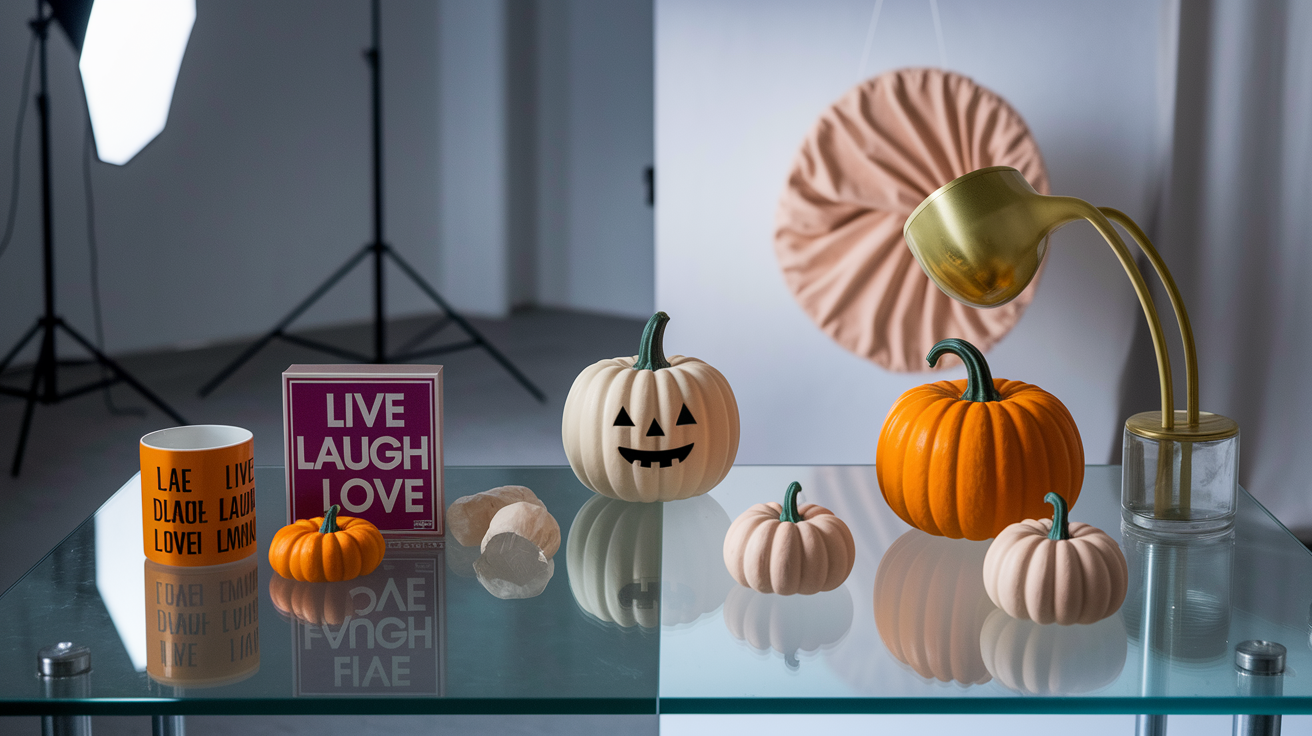
Cheugy critiques inauthenticity by highlighting the gap between genuine personal expression and performative trend-chasing. Some people respond by avoiding anything that might get labeled cheugy. Others reclaim the term ironically, wearing “Live Laugh Love” merch or posting pumpkin spice content with self-aware captions. The term sparked conversations about social awareness and the pressure to stay current, with some arguing that worrying too much about being cheugy is itself a form of trying too hard. Brand perception shifted too. Companies once eager to copy viral aesthetics now face backlash if their messaging feels dated or overly curated. The term gave people shared vocabulary to discuss the balance between following trends and developing a personal style that evolves naturally.
| Category | Example |
|---|---|
| Fashion | Skinny jeans with tall boots, overly distressed denim, or fast-fashion copies of last season’s viral looks. |
| Décor | Wooden signs with motivational slogans, Rae Dunn pottery, or overly matchy farmhouse aesthetics. |
| Behavior | Wine mom culture, pumpkin spice obsession, or Disney adult fandom presented without irony. |
| Branding | “Girlboss” language, overly polished Instagram grids, or hashtag-heavy caption styles. |
| Online Aesthetic | Side parts, heavily filtered photos, or early-2010s Facebook meme humor. |
Final Words
We traced cheugy from a 2013 high-school coinage to a cultural label: a trying-too-hard or outdated vibe. Gaby Rasson made the word to name what her friends were noticing.
Early use, pronunciation, and the millennial vs Gen Z split explain why it stuck; examples like Rae Dunn pottery became shorthand. It stayed small until wider awareness later.
For a neat wrap, origin of cheugy explained: a small-group slang that grew into a useful label for shifting tastes. That clarity is kind of handy.
FAQ
Q: Where did the term cheugy come from?
A: The term cheugy comes from a 2013 coinage by Beverly Hills High student Gaby Rasson, used to describe trends or aesthetics seen as outdated or trying too hard by her friend group.
Q: Do people still say cheugy?
A: Cheugy is still used as a quick label for outdated or try-hard trends, though its popularity fluctuates; people use it in jokes, critiques, and conversations about generational tastes.
Q: Who started cheugy?
A: Gaby Rasson started cheugy in about 2013 at Beverly Hills High School, inventing the word to name a vibe her group noticed but couldn’t easily label.
Q: Why is lasagna cheugy?
A: Lasagna is called cheugy when it’s linked to dated comfort-food vibes, predictable family-dinner nostalgia, or performative cozy aesthetics—context matters and it’s often used playfully or ironically.