
Is that dress really viral, or did someone stage it?
Short answer: both.
A celebrity fashion moment goes viral when timing, a clear visual hook, emotional reaction, and smart amplification line up fast.
This piece breaks down how cultural context, one surprising detail, photo-ready design, influencer seeding, and platform algorithms turn a look into a global moment.
You’ll learn the exact triggers stylists use and the metrics platforms reward so you can spot a staged smash from a genuine trend.
Core Factors Behind a Celebrity Fashion Moment Going Viral
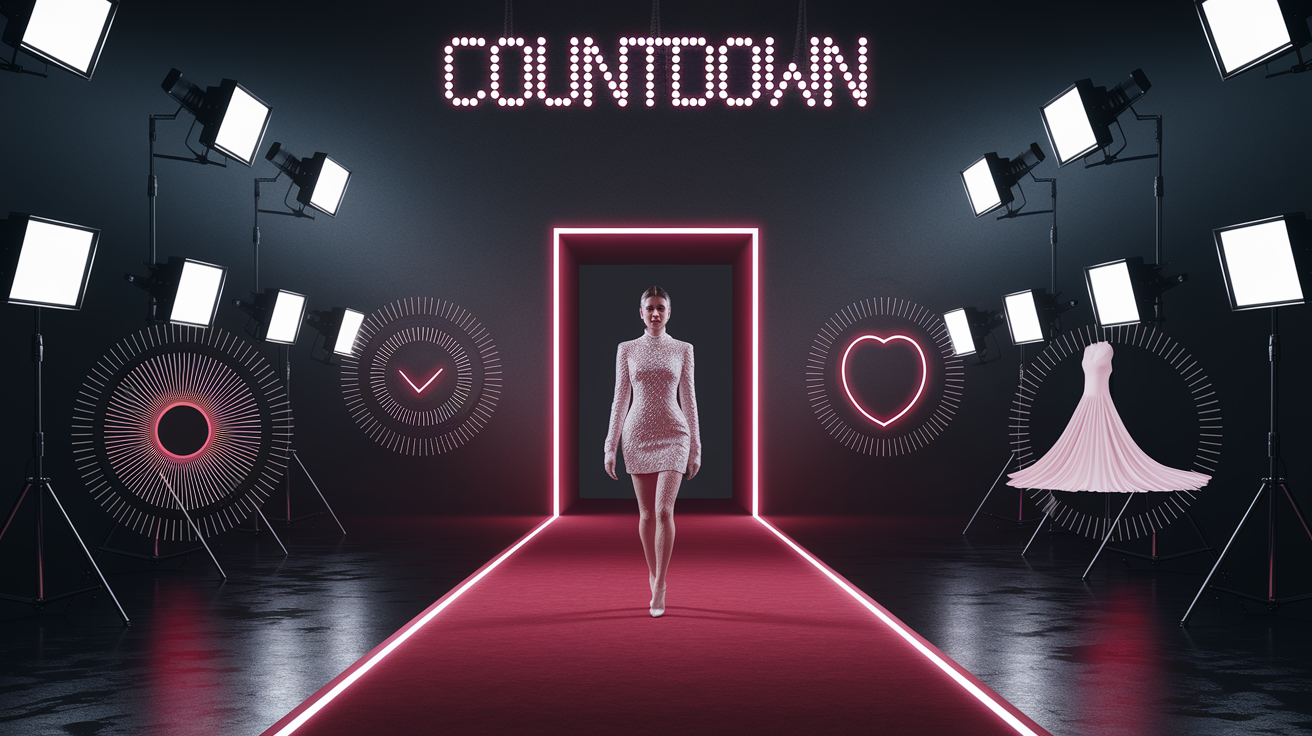
A celebrity fashion moment “goes viral” when it hits specific reach and engagement numbers fast. Industry folks usually say you need at least 100,000 social mentions or 1,000,000 combined views within 48 to 72 hours. Most moments peak somewhere between 6 and 48 hours after the event, then you get secondary bumps when magazines and blogs publish their roundups a day or a week later.
What makes a look blow up? Timing, cultural fit, emotion, surprise, and smart planning from the stylist. Timing’s huge. An outfit that drops during award season, Pride Month, or a major political moment can double or triple baseline shares. Cultural relevance gives people something to talk about beyond “nice dress.” It connects the outfit to identity or social debates. Emotional resonance gets people to actually hit share. Outrage, joy, aspiration, whatever prompts action. And unexpectedness is the real rocket fuel. When a look has one shocking element, like a dress sprayed on live or a 25-foot train that unfolds mid-carpet, reshares can jump 150 to 400 percent compared to a beautiful but predictable gown. Stylists build in 1 to 3 “hero visual moments” per appearance. Pieces or choices that photograph clean and trigger instant recognition.
Influencers, stylists, and algorithms work together to push things wider. Stylists prep high-quality images and short clips ahead of time, coordinate seeding lists of 10 to 30 influencers who’ll post within the first 1 to 4 hours, and structure looks so a single frame tells the story. TikTok, Instagram, and X reward early signals like saves, comments, watch-through rates above 60 percent, and rapid retweets by pushing content to bigger audiences. When a stylist times the reveal right, seeds micro-influencers, and delivers a visually distinct hook, the platform’s engine takes over and spreads the moment exponentially.
Six most consistent viral triggers:
- Timing and cultural relevance – Syncing with a current conversation multiplies share potential.
- Shock and unexpectedness – One surprising element can boost reshares by 150 to 400 percent.
- Narrative and emotional resonance – Stories that provoke feeling drive action and identification.
- Visual clarity and distinctiveness – High-contrast, single-image looks get 30 to 60 percent higher completion and share rates.
- Memeability and remix potential – Outfits that invite captions, GIFs, or audio remixes generate 3 to 10 times more user content in 72 hours.
- Strategic amplification – Coordinated influencer seeding in the first few hours boosts early visibility and algorithmic promotion.
Visual Psychology and Meme Dynamics in Viral Fashion
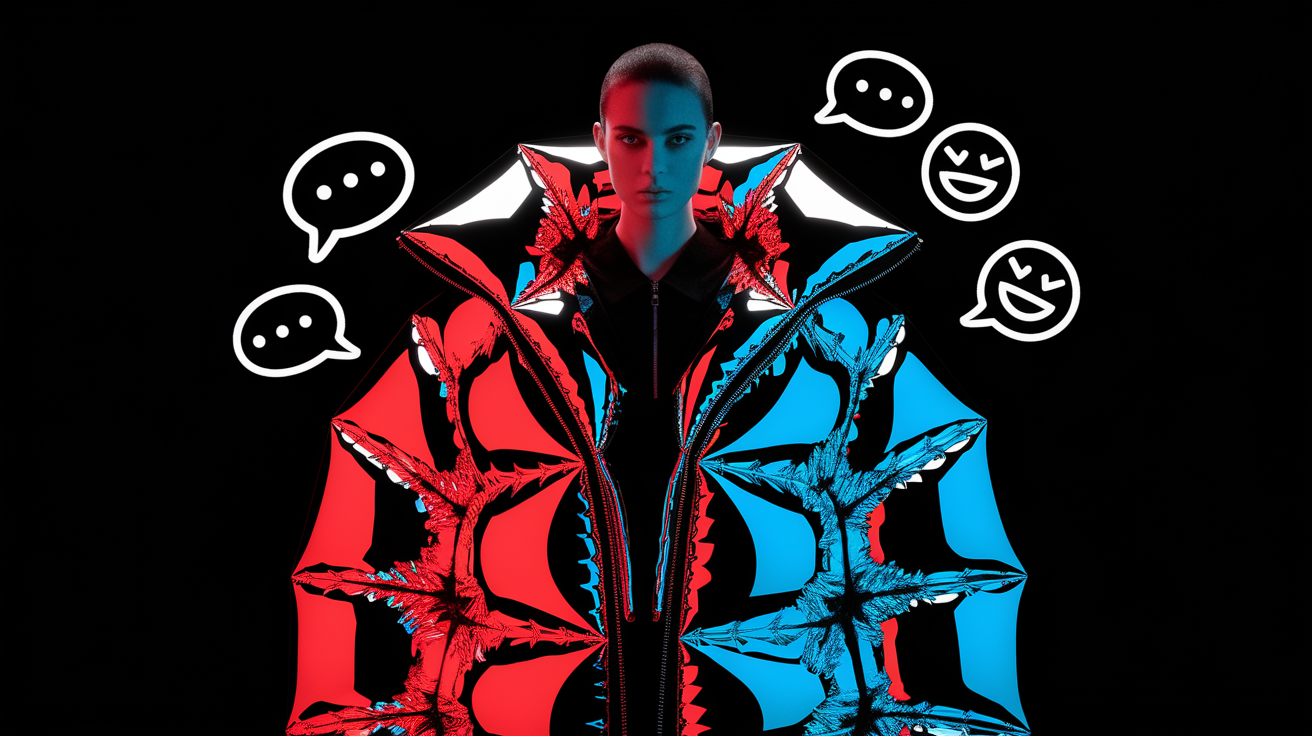
Viral visuals tap into how our brains process and remember images. Novelty grabs attention. Our visual cortex lights up when we see something we’ve never seen before, like a dress made of mirrors or a coat so big it needs two people to carry the train. High-contrast silhouettes pop in a crowded feed. A single bold color, an exaggerated proportion, or a clean geometric shape registers in under a second, which matters when someone’s scrolling at speed. Risk-taking looks (sheer panels, asymmetric cuts, deliberately “ugly” styling) provoke a reaction, whether it’s admiration or disbelief. And reaction is the first step toward sharing. Coherent, instantly recognizable shapes mean a viewer can identify the look in a thumbnail or a reposted crop, sustaining visibility as the image circulates.
Meme culture transforms striking visuals into participatory content, multiplying reach and lifespan. An outfit with funny proportions, a symbolic styling cue, or a facial expression that pairs perfectly with a trending audio clip becomes raw material for remixes, duets, and caption contests. When users create their own versions (stitching reaction videos, layering text, mimicking the pose), the original moment generates 3 to 10 times more user content within 72 hours than a look that just gets reposted. Memeability depends on simplicity and adaptability. One clear visual idea that people can riff on without needing backstory. “POV: You’re about to walk into the Met Gala in a dress that weighs 40 pounds” or “When you said ‘make it dramatic’ and the stylist took it literally” turn a fashion moment into a format. Formats spread faster than individual posts.
| Trigger | Why It Works | Example Mechanism |
|---|---|---|
| Novelty and unexpectedness | Activates brain’s attention centers, breaks pattern recognition | Spray-on dress applied live on runway, robot collaboration on catwalk |
| High-contrast silhouette | Stands out in thumbnail and rapid scroll, single-glance recognition | Bright yellow cape gown dominating feed for 48+ hours |
| Exaggerated proportion | Provokes strong reaction (awe, humor, disbelief), easy to caption | XXXXL coat that physically dominates room, oversized shoulder pieces |
| Symbolic or narrative styling | Invites interpretation and emotional connection, sparks conversation | Outfit referencing “The Little Prince” story, live horses performing at 9:30 AM show |
How Social Media Platforms Amplify Viral Fashion

Algorithms care about early, sustained engagement signals. On every major platform, the first few hours determine whether a post reaches a few hundred people or a few million.
TikTok’s algorithm rewards watch-through rate and early velocity. If a video hits a completion rate above 60 percent and racks up views fast in the first 6 hours, the platform pushes it to the “For You” page of users who’ve shown interest in fashion, celebrity news, or related topics. Short clips (10 to 30 seconds) perform best because they fit the format and keep retention high. Instagram Reels and feed posts depend on early likes, comments, and especially saves. When a post gets saves at 2 to 3 times baseline within the first hour, Instagram reads that as high value and expands distribution. Stories offer a channel for exclusivity and behind-the-scenes content, which influencers and stylists use to seed anticipation before the main post drops. X trends through retweets and quote-retweets. A post that crosses 10,000 retweets in 24 hours often lands on trending lists, which then attracts news outlets looking for stories. Facebook and Pinterest drive referral and evergreen traffic, sustaining visibility beyond the initial 48-hour spike as users search for outfit details, shop similar looks, or pin images to boards.
Reposting and remix features sustain momentum across platform boundaries. A look debuts on a red carpet, gets captured by photographers and livestream feeds, then gets clipped and posted to TikTok by an influencer within the hour. That TikTok gets dueted by dozens of creators adding reactions, outfit breakdowns, or styling commentary. Instagram accounts repost the original photo with their own captions. X users quote-retweet with hot takes. Each repost introduces the moment to a new audience segment, and each new segment can reshare again, creating a cascade. Duets and stitches on TikTok, carousels on Instagram, and threaded quote-retweets on X all extend the lifecycle of a single visual, turning one celebrity appearance into hundreds of derivative posts that keep the conversation alive for days.
The Impact of Celebrity, Stylists, and Brand Partnerships on Viral Fashion
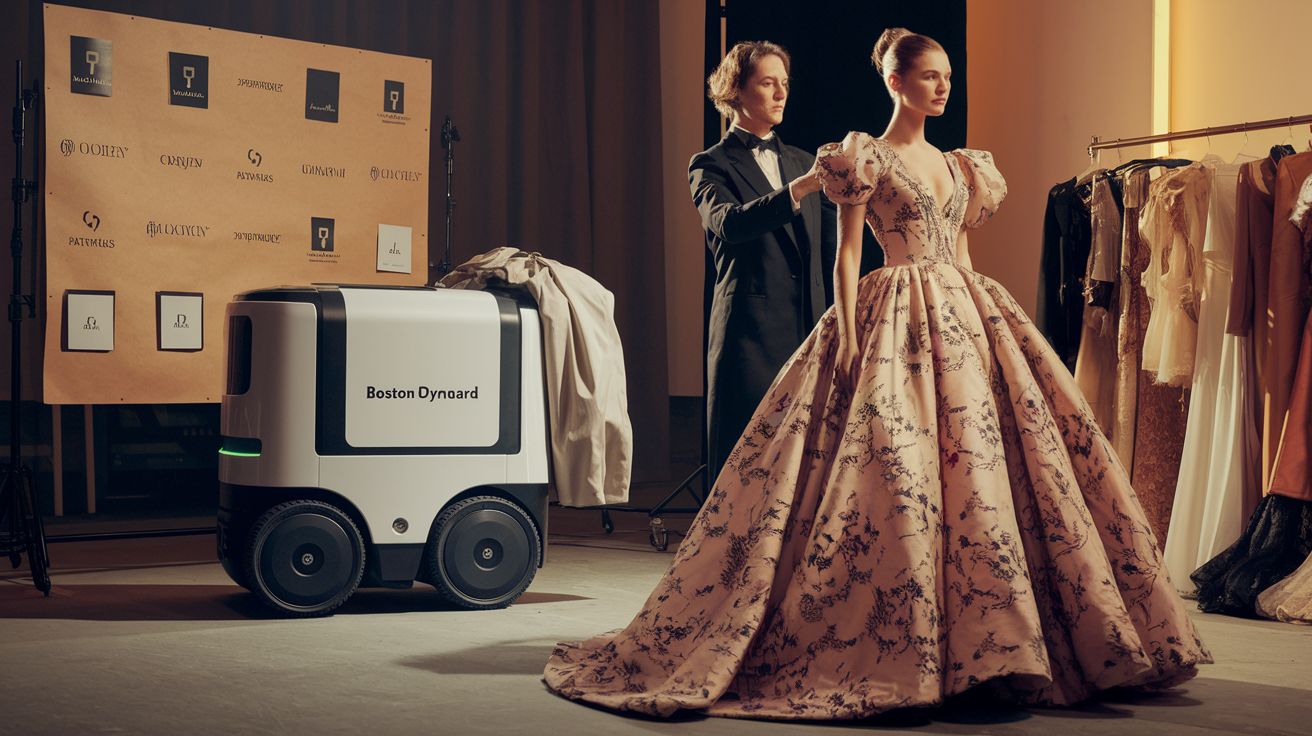
Stylists and brands engineer viral-ready looks through coordination, exclusivity, narrative alignment, and asset prep. A stylist working toward a viral moment starts weeks in advance, selecting or commissioning a piece with a clear visual hook and a story that connects to the event’s theme or the celebrity’s public image. They coordinate with the brand to get high-quality photos and video clips from multiple angles, often arranging exclusive first-look windows with select publications or influencers to build anticipation. On event day, the team times the reveal, preps backup assets, and seeds a curated list of micro and macro-influencers who post within 1 to 4 hours of the appearance. This coordination ensures the look hits feeds when engagement’s highest and algorithms are most receptive.
Celebrity presence multiplies impressions because their follower counts and media attention act as built-in distribution channels. When a globally recognized celebrity wears a look, their own social posts, paparazzi photos, and fan accounts all amplify the moment at once. Brand partnerships add another layer. Collaborations with tech companies (like integrating Boston Dynamics robots into a runway show) generate earned media coverage beyond fashion circles, pulling in tech blogs, general news outlets, and viral aggregators. High-impact pieces, typically 1 to 3 per appearance, are designed to photograph cleanly and tell the story in a single frame. Stylists balance these statement moments with wearable or detail-focused looks so the spectacle doesn’t overshadow garment quality. A tension industry insiders describe as the risk of “spectacle fatigue.”
How stylists and brands engineer viral-ready looks:
- Coordination across designer, celebrity, PR, and influencer networks to sync messaging and timing.
- Exclusivity deals that grant select outlets or influencers 24 to 72-hour first-look windows, building pre-release buzz.
- Narrative alignment connecting the look to the event theme, cultural moment, or celebrity’s personal brand story.
- Asset prep including professional photos, short-form video clips optimized for each platform, and one-line story pitches for journalists and influencers.
Case Studies of Viral Celebrity Fashion Moments
Met Gala Viral Example
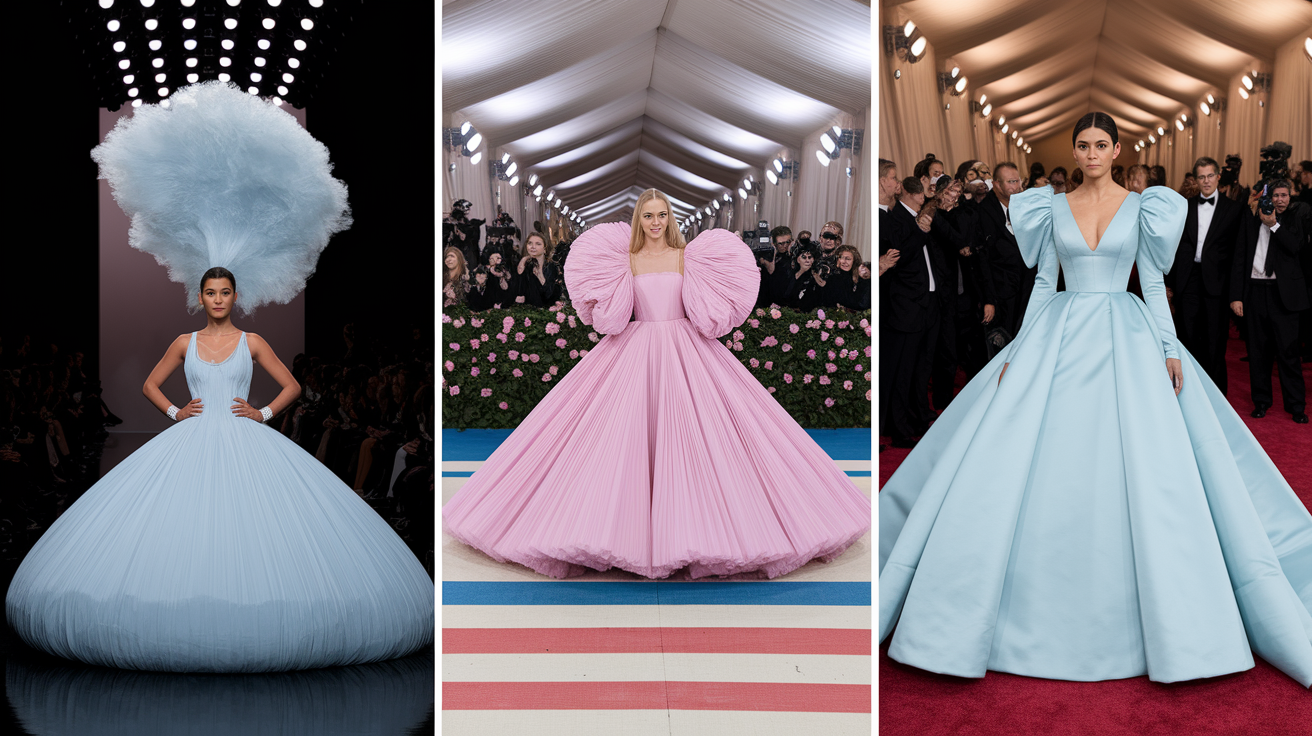
The Met Gala on May 6, 2019, themed “Camp: Notes on Fashion,” produced multiple viral moments within 12 to 24 hours. Attendees embraced theatrical, multi-layer reveals. One celebrity arrived in a voluminous pink gown that unfolded on the red carpet steps, then stripped down to reveal a second, more daring look underneath, then a third black bodysuit for the interior photos. Each stage generated its own wave of posts, memes, and commentary. The emotional and visual triggers (surprise, humor, camp excess, technical execution) aligned perfectly with the theme and with social media’s appetite for narrative progression. Share spikes occurred in distinct pulses: the arrival, the first reveal, the second reveal, then the memes that followed. Millions of image views accumulated within the first day, and the looks dominated fashion feeds and trending topics across TikTok, Instagram, and X.
Oscars Red Carpet Example
At the Academy Awards on March 2, 2014, a pale-blue gown with a flowing silhouette and delicate detailing became one of the most-searched and most-discussed red-carpet looks of the year. The visual distinctiveness (soft color, romantic draping, and a silhouette that photographed beautifully from every angle) ensured the look stood out in a sea of black and jewel tones. Within 24 hours, the dress appeared in dozens of editorial roundups, and Google search volume for the designer spiked by over 500 percent. The editorial cycle sustained visibility. Fashion magazines published in-depth styling breakdowns at 24 hours, Pinterest saves increased steadily over the next week, and e-commerce sites reported a measurable lift in searches for similar styles for at least 7 days post-event. The look’s virality was “long-tail,” peaking quickly but maintaining presence far beyond the initial spike.
Runway Viral Example (Spray-On Dress or Robot Moment)
Coperni’s Spring 2023 runway show ended with a model standing on the catwalk while two technicians spray-painted a white dress directly onto her body using a liquid fabric technology. The stunt combined surprise, technical innovation, and a clear single-frame visual: a woman transformed from nearly nude to fully dressed in under 10 minutes, live in front of the audience. Video clips of the process circulated across TikTok and Instagram Reels within the hour, generating millions of views by the next morning. The show’s timing (the final look, maximum suspense) and the brand’s collaboration with the fabric-tech company generated earned media coverage in technology, general news, and fashion outlets. Follow-up pieces analyzed the science behind the spray, debated the practicality, and created memes about “getting dressed in the future.” The moment sustained conversation for weeks and positioned Coperni as a brand willing to push boundaries.
Controversy, Shock, and Negative Attention in Viral Fashion
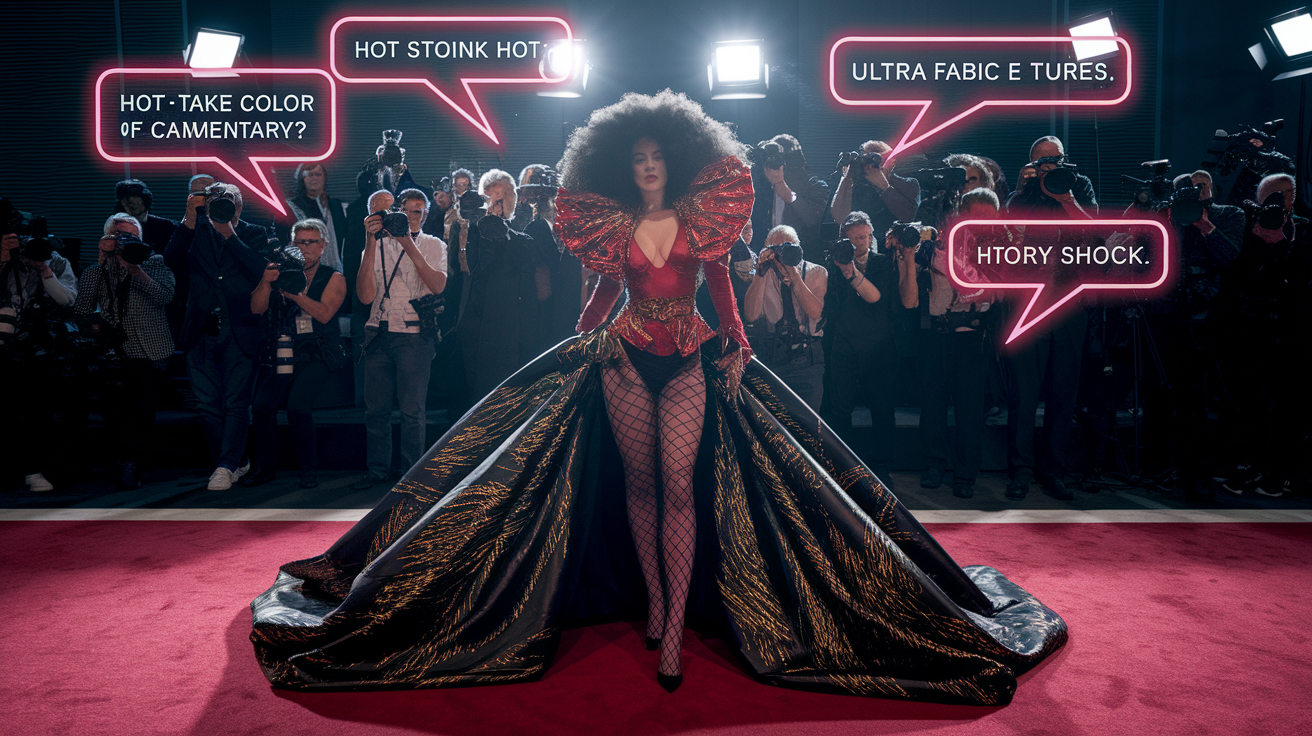
Shock and controversy speed up share velocity because they provoke immediate reaction. A look that sparks debate (too revealing, too weird, culturally insensitive, or intentionally provocative) can generate 200 to 500 percent more shares in the first 24 hours than a universally praised outfit. People share to express outrage, to defend, to mock, or to signal their own taste and values. Negative sentiment spreads as fast as positive, sometimes faster, because conflict’s inherently engaging. Staged fashion failures, like the AVAVAV Fall 2023 show where models’ heels broke, clothes ripped, and backdrops fell on cue, intentionally used controversy to comment on luxury and fragility. The designer engineered the “failure” theme for narrative and virality, knowing the shock would drive millions of views and that the story behind the stunt would sustain editorial interest.
The risk? Negative attention can reduce brand favorability and purchase intent by 10 to 30 percent in the short term, even as it increases awareness. A controversial look might trend globally, but if the conversation centers on criticism, ridicule, or backlash, the long-term brand impact can be damaging. Stylists and brands balance this by making sure any shock element aligns with the brand’s identity and values. A deliberately provocative look from a brand known for boundary-pushing design reads as authentic. The same look from a brand without that foundation can feel like a desperate stunt. The best-practice approach? Prepare a 24 to 48-hour response plan for high-controversy outcomes, including clarifying statements, behind-the-scenes context, or influencer testimonials that reframe the narrative.
Metrics and KPIs That Show When a Celebrity Fashion Moment Goes Viral
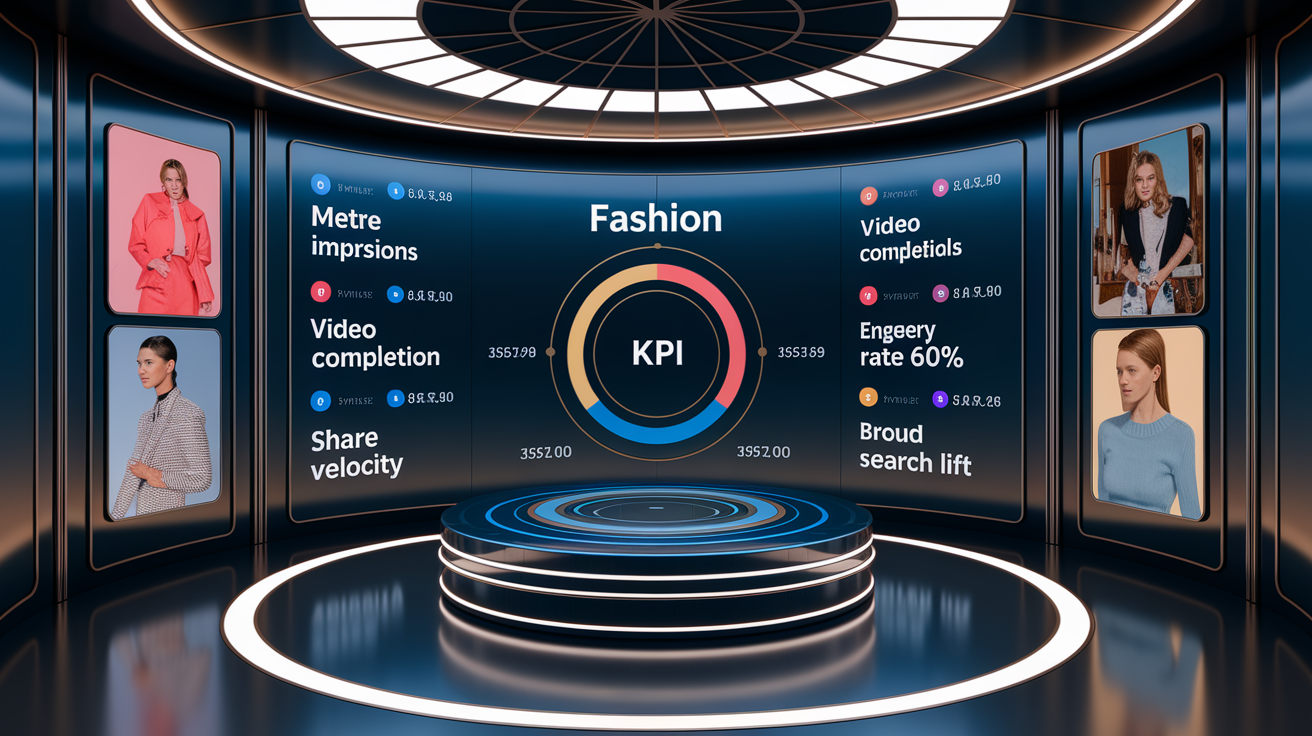
Virality’s measurable through a set of key performance indicators tracked in real time and over a 7-day window.
Six primary KPIs:
- Social mentions – Baseline to 100,000 mentions signals regional viral momentum, 1,000,000+ mentions indicates global virality.
- Impressions and views – Hourly accumulation rate, 50 percent of first-day views should occur within the first 12 hours for fast virality.
- Video completion / watch-through rate – Target above 60 percent for short-form video content to trigger algorithmic amplification.
- Engagement rate – Likes, comments, saves, and shares as a percentage of reach, aim for top-decile benchmarks specific to each platform.
- Share velocity – Rate of reshares and reposts in the first 6 to 24 hours, rapid early sharing signals strong viral potential.
- Search lift – Percentage increase in related Google searches and platform searches, a 200 to 1,000 percent spike within 24 to 72 hours is common for viral moments.
Search lift’s particularly telling because it reflects audience intent beyond passive scrolling. When someone sees a viral look and immediately searches for the designer name, where to buy it, or “who wore that dress,” they’re moving from awareness to consideration. Brands track search volume, referral traffic to e-commerce sites, showroom inquiries, and retailer interest as downstream effects of viral moments. Follower and subscriber growth during and after the event provides a long-term metric. A viral moment that converts casual viewers into followers signals that the attention’s translating into sustained interest. Qualitative sentiment analysis (whether the conversation’s positive, neutral, or negative) helps brands understand whether the virality’s building or eroding brand equity.
Practical Blueprint for Creating Viral-Ready Celebrity Fashion Moments

The blueprint begins 24 to 72 hours before the event with asset prep, narrative development, and seeding coordination. Stylists and brand teams prepare high-resolution photos, short-form video clips optimized for TikTok and Instagram Reels, and one-line story pitches that journalists and influencers can use right away. They define 1 to 3 visual hooks (specific elements of the look designed to photograph clean and trigger conversation) and make sure those hooks are central to the narrative pitch. Embargo and exclusive windows are negotiated with key outlets and influencers, offering first-look access in exchange for coordinated posting times. Live-capture planning includes designating a photographer or videographer to document the moment from multiple angles, ensuring clean assets are available within minutes of the appearance.
Step-by-Step Pre-Event Strategy
Early seeding, 1 to 4 hours before or immediately after the appearance, is critical. The team activates a curated list of 10 to 30 micro and macro-influencers who’ve agreed to post within the seeding window. Micro-influencers with 5,000 to 50,000 followers often deliver higher engagement rates than macro accounts, and a coordinated group of micro-influencers posting at once can generate 2 to 10 times baseline organic engagement. The narrative pitch connects the look to the event theme, cultural moment, or celebrity story, giving influencers and journalists a clear angle. Timing the release means posting when target audiences are most active (evenings and weekends in key time zones) and when algorithm activity’s highest. Real-time tracking begins the moment the first post goes live, monitoring mentions, views, share velocity, and sentiment so the team can adjust tactics, amplify positive coverage, or respond to unexpected controversy.
Five tactical steps:
- Prep assets 24 to 72 hours in advance: high-quality photos, short video clips, and narrative pitches tailored for each platform.
- Coordinate influencers and embargo partners: build a seeding list of 10 to 30 accounts and confirm posting times within the 1 to 4-hour window.
- Define visual hooks: identify 1 to 3 specific elements (silhouette, color, accessory, reveal moment) designed to generate immediate shares.
- Time the release: align posts with peak audience activity and algorithm sensitivity, typically evenings in target markets.
- Track KPIs in real time: monitor mentions, views, watch-through rate, share velocity, search lift, and sentiment to measure success and guide next steps.
Final Words
We just ran through the mechanics that turn a red‑carpet look into a headline: timing, shock, a single‑frame hook, and the platform math that spreads it fast.
You saw how stylists, influencers, and short‑form video can push one clip into a global spike inside 48 hours.
Focus on one bold visual, a clear narrative, early seeding, and platform‑ready clips.
That’s basically what makes a celebrity fashion moment go viral explained. When those pieces line up, a look can explode across feeds and become the moment everyone’s talking about.
FAQ
Q: What is the 3-3-3 rule in fashion?
A: The 3-3-3 rule in fashion is a simple styling guide—pick three colors, three textures, and three focal points—to create a balanced, intentional outfit that’s easy to mix, match, and photograph well.
Q: How do celebrities influence fashion trends?
A: Celebrities influence fashion trends by wearing standout looks that get media and social shares, giving designers visibility, and prompting fans and retailers to copy styles fast, driving discovery and sales.
Q: What is the 7 rule in fashion?
A: The 7 rule in fashion often means limiting visible outfit elements to about seven (layers, accessories, pieces) to avoid clutter and keep a cohesive, polished look that reads clearly in photos and real life.
Q: Why is Gen Z fashion so baggy?
A: Gen Z fashion is baggy because it prioritizes comfort, gender-neutral vibes, thrifted and nostalgic aesthetics, and online trends—plus baggier silhouettes photograph and remix well for TikTok and meme culture.